
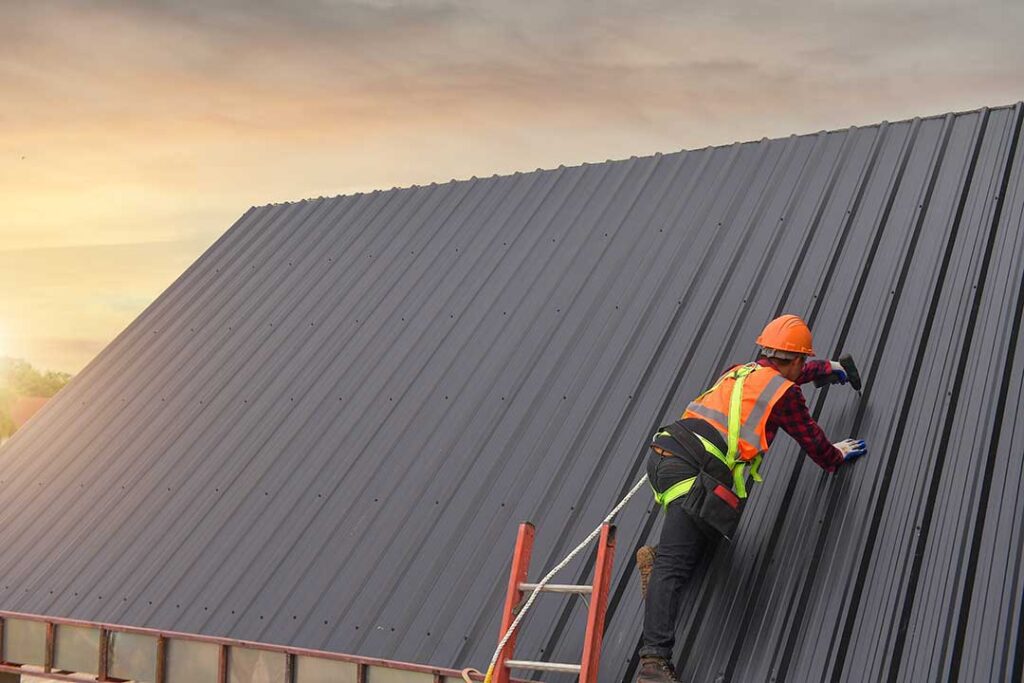
Roofing work is a sequence of inspections, planning, material removal, installation, and final checks. Understanding each stage helps homeowners recognize what is normal, what deserves attention, and which decisions affect the roof’s long-term performance.
What happens before roofing work begins?
The process starts with an evaluation of the existing roof, not with removing shingles. The condition of the roofing surface, flashing, ventilation, drainage, and roof structure all influence the work that follows.
An assessment commonly considers:
- The age and type of the current roofing system
- Missing, cracked, curled, or loose shingles
- Soft areas that may indicate damaged sheathing
- Leaks around chimneys, plumbing vents, skylights, and roof valleys
- Rusted or separated flashing
- Moss, algae, or debris buildup
- Attic ventilation and signs of interior moisture
- Gutters, downspouts, and the way water leaves the roof
A roof can look acceptable from the ground while still having concealed damage. Water may travel beneath shingles before appearing as a ceiling stain, so the location of an interior stain does not always identify the original entry point.
In Ithaca, NY, roof planning also needs to account for snow, freeze-thaw cycles, strong seasonal weather, and shaded areas that may stay damp longer. These conditions can affect both the roofing materials and the timing of the work.
How is the roofing project planned?
Planning determines the scope of the job, the materials needed, and the precautions required around the home. A straightforward replacement may involve one layer of shingles, while an older or heavily repaired roof may reveal additional work after removal.
The planning stage usually addresses:
- Whether the existing roof can be repaired or needs replacement
- How many layers of roofing are present
- The condition of the roof deck beneath the covering
- The type and location of underlayment
- Flashing details around penetrations and wall intersections
- Ventilation at the eaves, ridge, or other roof areas
- Protection for landscaping, siding, windows, and walkways
- Weather conditions and site access
Local requirements may also affect the project. Permits, inspections, structural concerns, and disposal rules can vary depending on the scope of work and applicable municipal or state requirements. Those details should be confirmed before construction begins rather than assumed.
What happens during roof removal?
Removal exposes the materials that have been protecting the house. Shingles, underlayment, old flashing, and other worn components are taken off so the underlying roof deck can be inspected.
This phase can be noisy and may produce vibration. Fasteners, small fragments, and dust can fall near walls, windows, porches, and landscaping. Temporary protection is normally placed around the work area, but residents should still keep children, pets, and personal items away from active roofing zones.
The roof deck is then checked for:
- Rot or water damage
- Delamination or swelling
- Split or weakened panels
- Loose fasteners
- Areas that flex under pressure
- Openings around roof penetrations
Damaged decking should not simply be covered with new shingles. The roof covering depends on a firm, reasonably dry, and properly fastened base. Replacing only the visible shingles over a weak surface can leave structural and moisture problems unresolved.
What is installed beneath the shingles?
The layers below the visible roof covering are essential to water management. Shingles are the outer defense, but they are not the only barrier.
A typical roof assembly may include:
- Roof decking attached to the rafters or trusses
- A water-resistant underlayment
- Specialized protection near eaves and roof edges
- Metal or manufactured flashing
- Ventilation components
- Shingles or another exterior roof covering
Underlayment helps protect the deck if wind-driven rain or melting snow reaches beneath the shingles. Additional protection is often needed in areas vulnerable to backup, such as eaves, valleys, and roof-to-wall intersections.
Flashing directs water away from openings and changes in roof direction. It is used around chimneys, skylights, vent pipes, dormers, walls, and valleys. Many recurring leaks are related less to the broad field of shingles than to these detailed transition areas.
How are shingles or other roof coverings installed?
Installation generally proceeds from the lower edges upward, with each course overlapping the one below it. The exact method depends on the material, roof design, slope, temperature, and manufacturer requirements.
Proper installation includes more than placing visible shingles in straight rows. It also involves:
- Correct alignment and exposure
- Adequate fastening
- Proper treatment of valleys
- Sealed areas around penetrations
- Secure edges and starter courses
- Appropriate ridge or upper-roof ventilation
- Careful installation around chimneys and walls
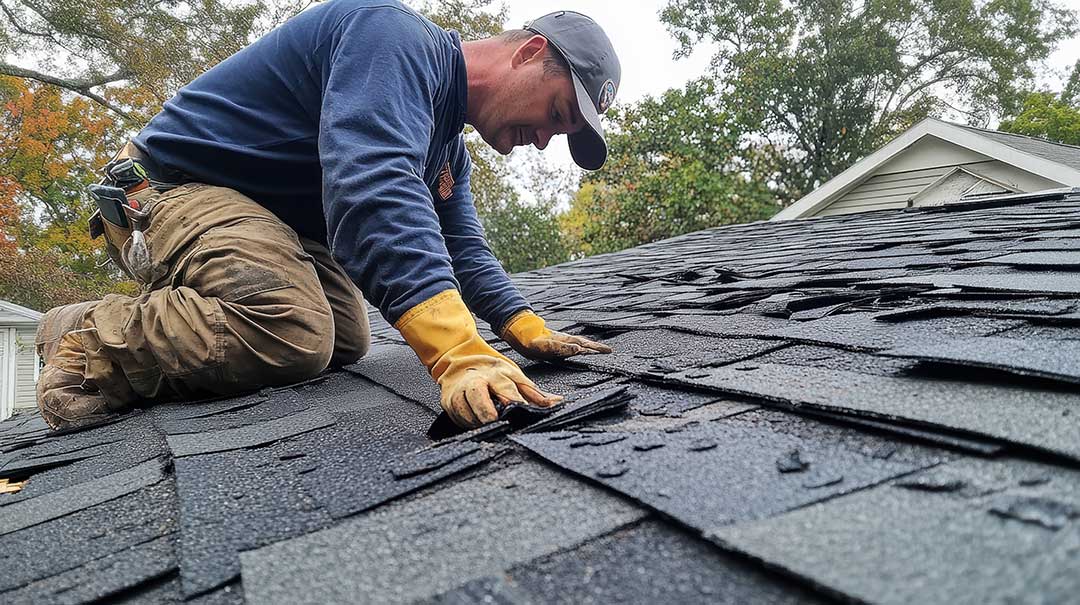
Cold weather can affect how asphalt-based materials seal. In cooler conditions, the sealing process may take longer and may depend on later sunlight and warmer temperatures. Winter installation is not automatically impossible, but it requires more planning and attention to handling, fastening, and weather conditions.
How does ventilation affect the finished roof?
Roof ventilation helps manage heat and moisture in the attic. It does not replace insulation, seal air leaks, or correct a roof leak, but it is part of a balanced roof system.
A properly designed system allows air to enter near the lower roof edges and leave through higher ventilation points. Problems can occur when exhaust ventilation is added without adequate intake ventilation, or when insulation blocks intended airflow.
Poor attic moisture control may contribute to:
- Frost or condensation on the underside of the roof deck
- Damp insulation
- Mold growth
- Wood deterioration
- Premature aging of roofing materials
- Ice buildup at roof edges during certain winter conditions
The roof covering and the attic should be considered together. A new exterior roof may not solve moisture problems that originate inside the attic.
What should homeowners expect during the work?
A typical roofing project involves delivery of materials, removal of old roofing, installation, cleanup, and inspection. The schedule depends on roof size, complexity, weather, material availability, and the amount of concealed damage found after removal.
Weather interruptions are especially relevant in a region with changing conditions. Roofing materials generally need appropriate conditions for safe handling and reliable installation. Rain, high winds, heavy snow, or icy surfaces can delay portions of the work.
Residents should prepare by:
- Moving fragile wall decorations from upper floors
- Covering or relocating items in the attic
- Keeping vehicles away from material staging areas
- Protecting pets from nails and debris
- Clearing access to exterior walls and roof edges
- Expecting temporary noise during removal and fastening
Cleanup should include a ground-level inspection for loose materials and fasteners. Magnetic sweeping can reduce, but may not eliminate, the chance of stray nails.
How is the finished roof checked?
The final stage is more than a quick visual glance. The roof should be reviewed for consistent installation, secure flashing, exposed fasteners, damaged materials, open seams, and properly finished edges.
Important areas include:
- Valleys and roof intersections
- Chimneys, skylights, and plumbing vents
- Drip edges and lower roof lines
- Ridge and soffit ventilation
- Gutters and downspout connections
- Areas where the roof meets a wall
- Attic surfaces beneath repaired or replaced sections
Documentation should identify the materials used, the areas completed, and any conditions that still need monitoring. Homeowners should also understand maintenance expectations, including how to address leaves, branches, moss, ice-related concerns, and future storm damage.
A new roof is not maintenance-free. Prompt attention to damaged flashing, blocked drainage, attic moisture, and missing roofing materials can help preserve the entire system through the seasonal conditions common in the local area.
