

What does a roof inspection actually include?
A roof inspection is a condition check, not simply a search for missing shingles. A thorough inspection considers the roof surface, flashing, drainage, attic, ventilation, visible structural areas, and signs of water entry.
For homeowners in Ithaca, NY, inspections are especially useful because roofs must withstand snow, wind, heavy rain, repeated freezing and thawing, and occasional ice buildup. These conditions can expose small weaknesses that may not be obvious from the ground.
A typical inspection looks at:
- Shingles, metal panels, membranes, or other roof coverings
- Flashing around chimneys, skylights, vent pipes, walls, and valleys
- Gutters, downspouts, eaves, and drainage paths
- Roof penetrations and areas where materials meet
- Attic insulation, ventilation, moisture, and visible staining
- Sagging, damaged decking, exposed fasteners, or deteriorated wood
- Signs of previous repairs or temporary patching
The goal is to identify current problems, possible sources of future leaks, and maintenance needs before damage spreads.
How often should a homeowner inspect the roof?
Most homeowners should perform a basic visual check twice a year: once in spring and again in early fall. An additional inspection is sensible after a major windstorm, heavy snow event, prolonged rain, or the appearance of a leak.
Spring is a useful time to look for winter damage, including cracked flashing, lifted shingles, damaged gutters, and ice-related problems. Early fall inspections allow time to address drainage and roof defects before snow and freezing weather arrive.
A roof that appears sound from the ground may still have problems in less visible areas. Homes with older roofing, large trees nearby, complicated roof shapes, or previous leak history may need more frequent evaluation.
A new roof also benefits from inspection. Installation-related issues, blocked drainage, poorly integrated flashing, or inadequate ventilation may become easier to identify after the first season of weather exposure.
What can homeowners safely check from the ground?
Ground-level observation is the safest starting point. Binoculars can help reveal details without requiring anyone to climb onto the roof.
Look for:
- Shingles that are missing, curled, cracked, loose, or noticeably uneven
- Dark patches, exposed underlayment, or areas where the surface appears to be losing material
- Sagging lines along the roof plane or ridge
- Metal flashing that appears loose, bent, rusted, or separated
- Excessive moss or organic growth, particularly where moisture remains
- Gutters that pull away from the roof edge or hold standing water
- Granules collecting in downspouts or at the base of gutter outlets
- Tree limbs touching the roof or rubbing against roof materials
- Icicles or thick ice along the eaves during winter
A few small granules in a gutter are not necessarily evidence of failure, especially after recent roof work. A continuing accumulation, combined with bald-looking shingles or exposed areas, deserves closer attention.
Climbing onto a wet, icy, steep, or snow-covered roof is hazardous. A ladder should not be used for a roof inspection unless the setup, footing, and fall protection are appropriate. Many roof problems can be documented from the ground and attic without walking on the roof.
Why should the attic be part of a roof inspection?
The attic can reveal a roof leak before water reaches a finished ceiling. It may also show problems caused by condensation, blocked ventilation, or air leakage from the living space.
On a dry day, use a flashlight to inspect the underside of the roof deck and nearby framing. Look for:
- Brown or dark water stains
- Damp insulation or compressed insulation
- Mold-like growth or persistent musty odors
- Rust around nails, fasteners, or metal components
- Daylight visible through the roof deck, except at designed vents
- Frost or moisture on the underside of the roof during cold weather
- Soft, deteriorated, or sagging wood
Not every attic stain represents an active leak. Old stains can remain after a repair, while condensation may create widespread moisture patterns without a single roof puncture. The timing of the stain matters: a leak that appears only after wind-driven rain may have a different source from one that appears during snowmelt.
Bathroom and kitchen exhaust fans should discharge outdoors rather than into the attic. Warm, moist air entering a cold attic can contribute to condensation, wood deterioration, and winter ice problems.
What roof problems are common after winter?
Winter damage is not limited to visible snow weight. Freeze-thaw cycles can loosen materials, enlarge small cracks, and allow water to move beneath roofing layers.
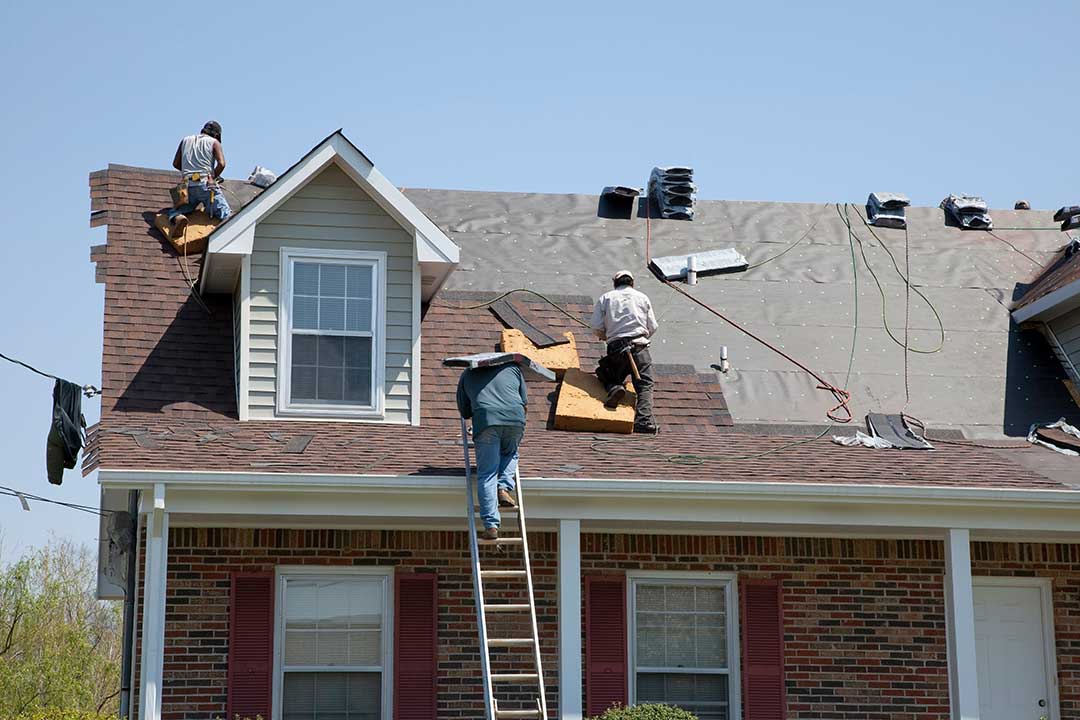
Common spring findings include:
- Lifted or displaced shingles
- Cracked sealant around flashing
- Damaged pipe boots
- Loose gutter sections
- Ice-dam-related staining near exterior walls or ceilings
- Water entry around valleys and roof edges
- Tree damage from snow or wind
- Rusted or separated metal flashing
Ice dams form when heat escaping from the home warms part of the roof, melts snow, and allows water to refreeze near colder roof edges. The resulting ice can obstruct drainage and permit water to move beneath the roof covering.
Icicles alone do not prove that an ice dam is present, but repeated large icicles, ceiling stains near exterior walls, or wet attic areas suggest that the roof assembly and attic conditions should be evaluated. Removing ice with a shovel, axe, or other sharp tool can damage roofing and create a fall hazard.
Which signs indicate an urgent problem?
Some conditions should not wait for a routine seasonal inspection. Prompt attention is warranted when there is:
- Active water dripping into the home
- A ceiling bulge caused by trapped water
- A visibly sagging roof area
- Large sections of missing or displaced roofing
- Exposed decking or underlayment
- Severe storm damage
- A fallen tree or heavy limb on the roof
- Electrical fixtures affected by water
- Large sheets of ice hanging above entrances or walkways
Place containers under interior drips and move belongings away from the affected area if it can be done safely. Do not puncture a ceiling bulge unless there is a clear understanding of what is above it and electrical hazards have been ruled out.
If structural damage, active leakage, or dangerous roof access is involved, a qualified roofing or building professional may be necessary because diagnosis and repair can involve fall hazards, electrical risks, and concealed damage.
How should inspection findings be documented?
Photos and notes make roof conditions easier to track over time. Record the date, weather conditions, location of each concern, and whether the issue appeared inside, outside, or in the attic.
For example, note whether a ceiling stain appeared after wind-driven rain, melting snow, or a plumbing event. Photographing the same roof areas during spring and fall can help show whether a condition is changing.
Keep records of previous repairs, roof installation dates if known, warranties, and any recurring leak locations. Roof age alone does not determine remaining service life, but it provides useful context alongside material condition, ventilation, drainage, and repair history.
A careful inspection does not guarantee that a roof will never leak. It does provide an opportunity to identify small defects, improve attic and drainage conditions, and respond to warning signs before they become larger household problems.
