
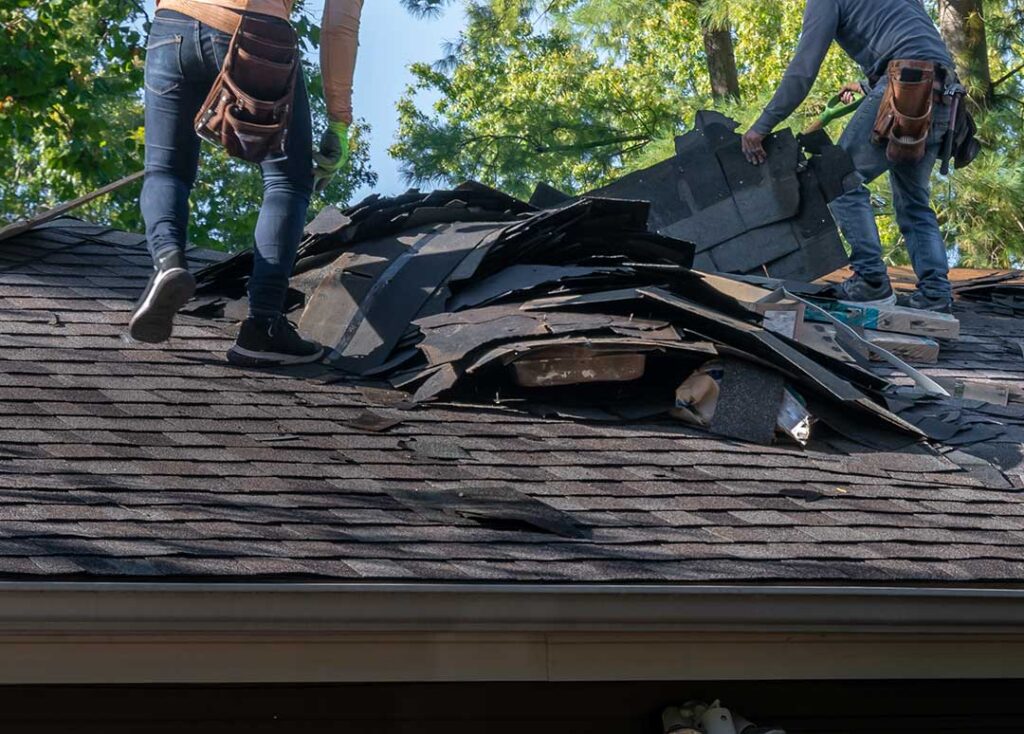
Roof decking, also called roof sheathing, is the structural layer beneath shingles or other roofing materials. It connects the roof covering to the rafters or trusses and helps distribute snow, wind, and other loads across the roof structure.
Most roof decking problems begin with moisture. A small leak, repeated ice damming, poor attic ventilation, or long-term condensation can weaken plywood, oriented strand board, or older plank sheathing. In Ithaca, NY, freeze-thaw cycles, winter snow, wind-driven rain, and shaded roof areas can make these issues more difficult to spot and more likely to recur.
What does damaged roof decking look like from inside the attic?
The underside of the roof deck often reveals problems before the roof surface does. Look for changes in the wood, especially around valleys, chimneys, plumbing vents, skylights, roof edges, and other penetrations.
Common warning signs include:
- Dark stains or water marks on the wood
- Soft, crumbly, or splintered sections
- Mold-like growth or persistent discoloration
- Rusted nails or fasteners
- Damp insulation near the roof line
- Dripping or active moisture after rain or snow
- Small holes, gaps, or visible daylight through the sheathing
- Wood that appears warped, swollen, or bowed
A stain does not always mean the roof deck is currently wet. It may reflect an old leak that has been repaired. However, the surrounding wood should still be checked for softness, odor, mold growth, or renewed dampness.
Attic inspections should be performed from a stable walking surface. Stepping between ceiling joists can damage the ceiling below, and walking directly on roof sheathing is unsafe because weakened areas may not support body weight.
Can a sagging roof indicate damaged decking?
Yes. A visible dip or sag may result from weakened decking, overloaded framing, water-damaged rafters, or a combination of these conditions.
A shallow irregularity is not always an emergency, especially on an older roof with uneven framing. A broad sag, a rapidly worsening dip, or a roof surface that appears to deflect under snow deserves prompt attention. Water-damaged sheathing can lose stiffness, allowing the roof surface to become uneven. In more serious cases, the problem may extend into the rafters or trusses beneath it.
From the ground, warning signs may include:
- A visibly uneven roof plane
- Shingles that follow a dip rather than a straight line
- A ridge that appears wavy or out of alignment
- Fascia boards that pull away from the roof edge
- Gutters that appear twisted or detached
- Repeated water accumulation in the same roof area
Heavy snow can make a weak area more vulnerable. Do not climb onto a roof to investigate sagging, especially during icy conditions or after a substantial snowfall.
Do leaks always mean the roof decking is damaged?
No. A roof leak may be limited to shingles, flashing, underlayment, or a roof penetration. However, water that reaches the decking can cause damage even when the leak itself seems minor.
The longer wood remains damp, the greater the chance of swelling, delamination, decay, and loss of fastening strength. Water may also travel along rafters or the underside of the roof before appearing as a ceiling stain, so the visible interior mark may not be directly below the original entry point.
Recurring leaks in the same area are especially significant. A ceiling stain that returns after each storm, a damp attic after snowmelt, or water near a valley or chimney suggests that the roof assembly should be evaluated rather than simply painted or patched inside.
What does roof decking damage feel like?
Sound roof sheathing is generally firm and resists light pressure. Damaged decking may feel soft, spongy, flexible, or uneven.
Some wood-based panels also show edge swelling, separated layers, or a rough, flaky surface. Plank decking in older homes may have cracked boards, excessive gaps, or sections weakened by repeated wetting.
Do not test questionable wood by leaning your full weight against it. A visual check from a safe position is more appropriate. If a section appears unstable, restrict access to the area until it can be assessed safely.
Could attic condensation damage the roof deck?
Yes. Not all roof-deck moisture comes from an exterior roof leak. Warm, humid household air can enter a cold attic through gaps around light fixtures, ducts, plumbing penetrations, attic hatches, and electrical wiring. If that air reaches cold roof sheathing, condensation may form on the underside.
This is more common during cold weather, when the temperature difference between the living space and the roof deck is greatest. Signs of condensation-related moisture include:
- Broad or evenly distributed darkening across several roof sections
- Frost or dampness on the underside of the deck during winter
- Musty odors without a clear exterior leak
- Rusting nails throughout the attic
- Wet insulation near the roof edges
- Mold-like growth in multiple locations
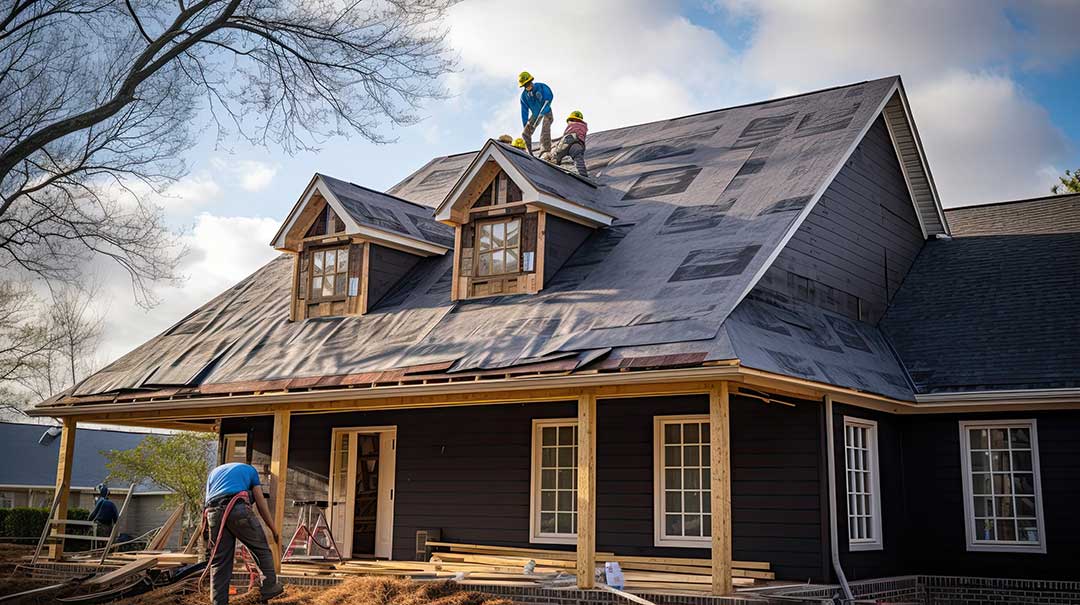
Attic ventilation can help manage moisture, but ventilation alone may not correct air leakage or indoor humidity problems. Bathroom and kitchen exhaust should discharge outdoors, not into the attic. Blocked soffit vents, missing insulation baffles, and poorly sealed attic openings can also contribute to condensation.
How can winter conditions affect roof decking in Ithaca?
Snow and ice can expose existing weaknesses in the roof assembly. Ice dams form when melting snow refreezes near colder roof edges, allowing water to back up beneath the roofing materials. That water can reach the roof deck, insulation, walls, and ceilings.
Repeated ice damming can leave wet areas that dry slowly, particularly on shaded slopes or sections with limited air movement. Freeze-thaw cycles may also widen small openings around flashing and fasteners.
After a major winter storm, watch for new ceiling stains, wet attic insulation, dripping near exterior walls, or a sudden change in the roof’s shape. Snow removal from a roof can be hazardous and can damage shingles or the deck if done improperly.
When does roof decking need repair or replacement?
Localized staining on otherwise solid wood may not require replacement. A small affected section can sometimes remain in place if it is dry, structurally sound, and no longer exposed to moisture.
Replacement is more likely when the decking is:
- Soft or deteriorated
- Delaminated or swollen
- Structurally weakened
- Unable to hold roofing fasteners securely
- Mold-damaged because of prolonged moisture
- Sagging or separated from the framing
- Repeatedly exposed to an unresolved leak
The scope of repair is usually clearer when the roof covering is removed. During reroofing, hidden decking damage may become visible around eaves, valleys, roof penetrations, and areas beneath long-term leaks.
Structural concerns, active water intrusion, unstable roof surfaces, or extensive decay warrant assessment by a qualified building or roofing professional. These conditions can involve fall hazards and may affect the roof’s ability to support snow and wind loads.
What should residents check after a roof repair?
After a leak is addressed, inspect the attic during the next significant rain and again after snowmelt. Confirm that the area remains dry and that no new staining appears.
It is also useful to document the location and timing of leaks, photograph visible damage, and note whether moisture appears after rain, thawing, or only during very cold weather. That information can help distinguish exterior water entry from attic condensation and can prevent repeated repairs that address only the visible symptom.
