
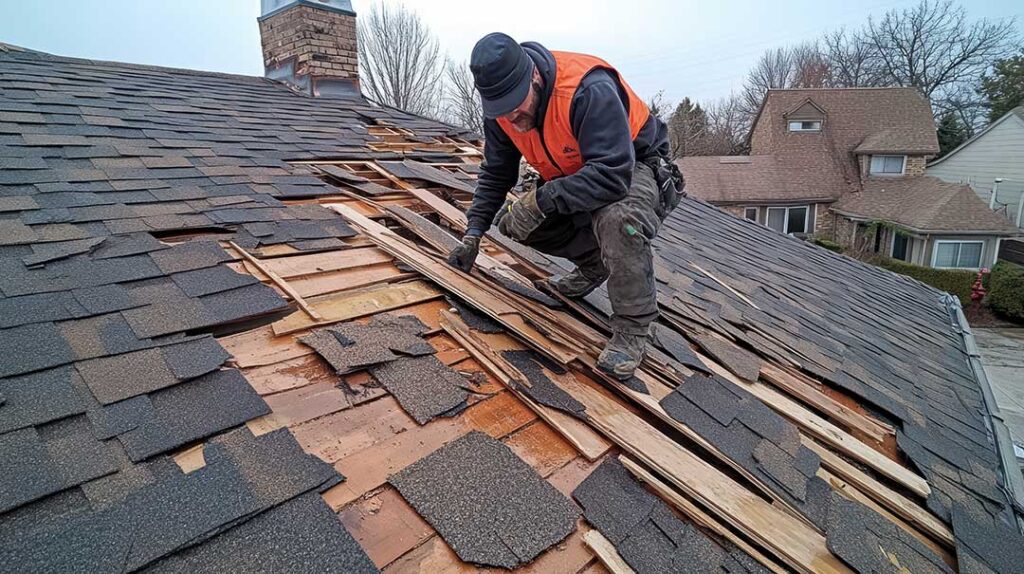
What kinds of roof damage can severe winds cause?
Severe winds can loosen shingles, remove flashing, damage gutters, expose underlayment, and create openings where water enters the roof system. Damage is not always obvious from the ground, especially when wind lifts a shingle without tearing it away completely.
In Ithaca, NY, strong wind events may occur with thunderstorms, passing cold fronts, lake-effect weather patterns, or the remnants of larger regional storms. Roofs can also experience repeated stress from seasonal gusts, falling branches, and shifting temperatures. A roof that appears intact after a storm may still have vulnerable areas that fail during the next rainfall.
Common wind-related problems include:
- Missing or displaced shingles
- Lifted shingle edges or creased tabs
- Torn rubber boots around plumbing vents
- Bent or detached metal flashing
- Damaged ridge caps
- Loose fascia, soffit, or gutter sections
- Punctures from branches or airborne debris
- Exposed roofing underlayment or wood decking
Wind damage is often concentrated along roof edges, ridges, corners, and areas surrounding roof penetrations. These sections receive more airflow and may be more vulnerable than the broad central field of the roof.
Why are roof edges and corners more vulnerable?
Roof corners, eaves, rakes, and ridges experience greater wind pressure than many central roof surfaces. Air moving over the roof can create lifting forces, particularly when shingles are already aging, improperly sealed, or weakened by earlier weather.
The first row of shingles along an edge may begin to curl or loosen. Once wind gets beneath one section, it can lift adjacent shingles and enlarge the affected area. A small failure at a rake edge can therefore lead to water entry several feet away from the visibly damaged spot.
Older roofs may be more susceptible because adhesive strips lose strength over time. Repeated freezing and thawing, summer heat, algae growth, and past repairs can also reduce the effectiveness of shingle seals. A roof does not need to be near the end of its expected service life to sustain wind damage.
Can wind damage happen without missing shingles?
Yes. A roof can have wind damage even when every shingle appears to be present.
Wind may lift and bend shingles, break their seal, loosen fasteners, or create small cracks that are difficult to see from the ground. A shingle may settle back into place after a gust while remaining less secure than before. Water can then enter beneath the shingle during a later storm.
Signs that may suggest hidden damage include:
- Shingles with raised corners or uneven alignment
- Dark lines where a shingle has been creased
- Loose granules collected in gutters or at downspouts
- Freshly exposed nail heads
- Small leaks near ceilings, skylights, or upper walls
- Damp insulation or attic wood after rainfall
- New daylight visible through the roof deck
Granule loss alone does not prove wind damage. Granules naturally shed as shingles age, but a sudden concentration in gutters after a severe storm deserves attention.
What should residents check after a windstorm?
Begin with a ground-level inspection. Look for missing shingles in the yard, roof pieces near trees or fences, separated gutter sections, hanging metal, and visible holes. Do not climb onto the roof immediately after a storm; wet shingles, loose debris, and damaged roofing surfaces create fall hazards.
From inside the attic, use a flashlight to look for:
- Wet or discolored wood
- Damp insulation
- Water stains
- Bent nails
- Drafts or visible daylight
- Moisture around vent pipes and roof penetrations
An attic inspection can reveal water entry before stains appear on finished ceilings. However, absence of attic moisture does not guarantee that the roof is undamaged. Some openings remain dry until wind-driven rain arrives from a particular direction.
If electrical wires, large branches, unstable roof components, or structural damage are present, stay clear of the area. A damaged roof may also be unsafe for anyone without appropriate fall-protection equipment.
How does wind-driven rain affect a roof?
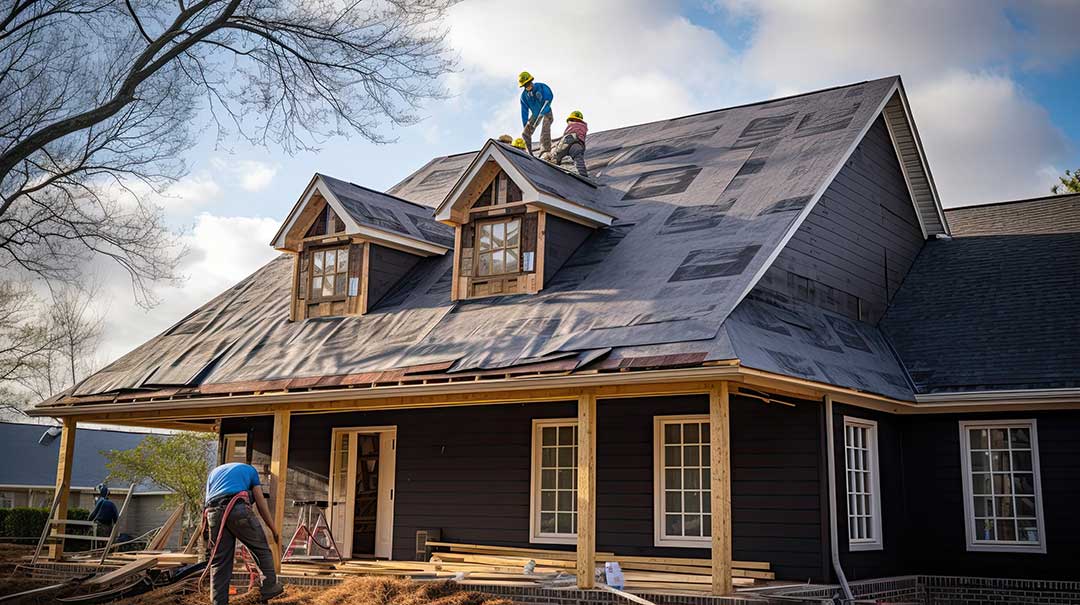
Wind-driven rain can enter through openings that ordinary rainfall would not reach. Strong gusts may push water beneath lifted shingles, through damaged flashing, around vent penetrations, or into gaps at roof-to-wall transitions.
This is especially relevant on homes with complex roof designs, dormers, valleys, porches, and additions. Each change in roof direction creates another area where flashing and seals must resist both water and wind. Water may travel along roof decking, rafters, or insulation before appearing inside the living space, making the visible stain different from the actual entry point.
A ceiling stain should therefore not automatically be treated as proof that the roof surface directly above it is the source. Plumbing, condensation, siding transitions, and chimney or vent details can also contribute to moisture problems.
Do trees increase the risk of wind-related roof damage?
Trees can increase risk in two ways: branches may strike the roof, and nearby trees can increase the amount of debris carried by strong winds. Large branches may puncture shingles, damage decking, or overload a roof section without removing much visible roofing material.
Trees near a home should be watched for dead limbs, major cracks, leaning trunks, and branches that contact the roof. After a windstorm, avoid walking beneath damaged trees. Branches under tension can shift unexpectedly, even after the wind has stopped.
Leaves and small twigs can also collect in valleys and gutters. They do not usually cause immediate structural damage by themselves, but blockages can slow drainage and contribute to water backing up beneath roofing materials.
What should be done if a roof is leaking after high winds?
If water is entering the home, place containers beneath active drips and move furniture or electronics away from the area. If the ceiling is bulging, avoid standing beneath it; accumulated water can add weight and cause part of the ceiling to collapse.
Do not cover a steep or wet roof with a tarp unless the work can be done safely. Temporary coverings installed improperly may create additional hazards or allow water to continue entering from the edges. A person with the necessary safety equipment may be able to make a temporary weather-resistant covering, but roof access is not appropriate during active wind, rain, or icy conditions.
Photographs of visible damage, fallen debris, interior stains, and the general roof condition can help document what occurred. Keep damaged materials in place when possible until they have been safely assessed, unless leaving them creates an immediate danger.
How can wind resistance be improved before the next storm?
Wind performance depends on the roofing material, installation quality, roof design, condition of the deck, and how well edges and penetrations are secured. Useful maintenance steps include:
- Replacing visibly loose or deteriorated shingles
- Keeping gutters and valleys clear of debris
- Checking exposed flashing and vent seals
- Securing loose fascia, soffit, and gutter components
- Trimming hazardous tree branches where permitted
- Inspecting attic ventilation and moisture conditions
- Confirming that previous repairs are still sealed
Roofing improvements should account for local snow, ice, rain, and freeze-thaw conditions rather than focusing on wind alone. Fasteners, flashing, underlayment, ventilation, and drainage all work together. A roof that resists gusts but allows water to collect at a clogged valley still remains vulnerable.
Residents should also review their insurance policy before storm damage occurs. Policies differ in how they address wind, fallen trees, deductibles, temporary protection, and gradual deterioration. Understanding those terms in advance is more useful than trying to interpret them during an active leak.
When does wind damage require immediate attention?
Immediate attention is warranted when roofing material is missing, water is entering the building, a tree has struck the structure, flashing is detached, or the roof deck is visible. Even a small opening can allow repeated wetting of insulation and wood, leading to rot, mold growth, or damage to ceilings and wall finishes.
Minor-looking damage should not be ignored if it affects an edge, valley, ridge, vent, or flashing joint. These locations are critical to keeping the roof watertight. Prompt, safe evaluation can help distinguish cosmetic changes from conditions that may worsen during the next storm.
