
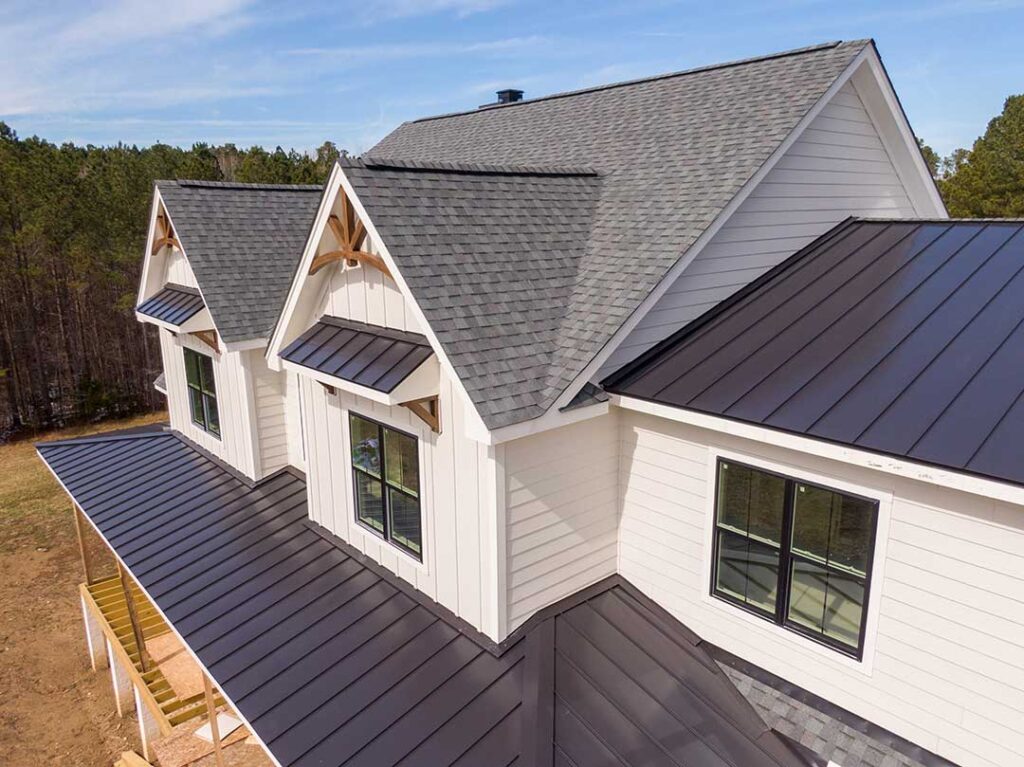
What does a roof inspection include?
A roof inspection is a systematic review of the roof system, attic, and related drainage components. It is meant to identify damage, moisture entry, aging materials, and safety concerns before they become larger problems.
A thorough inspection may include:
- Shingles, membranes, or other roof coverings
- Flashing around chimneys, skylights, vents, and wall intersections
- Valleys where roof slopes meet
- Drip edges, gutters, and downspouts
- Roof penetrations, such as plumbing vents
- Fascia, soffits, and exposed structural trim
- Attic insulation, ventilation, wood framing, and signs of leakage
- Areas where moss, leaves, ice, or snow tend to collect
An inspection is different from a quick visual check from the ground. Some defects are hidden beneath overlapping materials or become visible only from the attic side.
How often should a roof be inspected?
Most homes benefit from a roof inspection at least once a year, along with an additional check after severe weather or a known impact. In Ithaca, NY, seasonal changes make spring and fall practical times for routine inspections.
A spring inspection can reveal damage from winter snow, ice, wind, and freeze-thaw cycles. A fall inspection helps identify loose materials, blocked drainage paths, and deteriorated flashing before colder weather arrives.
More frequent inspections may be appropriate when:
- The roof is older or near the expected service life of its materials
- Large trees overhang the home
- The property has experienced wind, hail, or falling branches
- There has been a ceiling stain, attic moisture, or unexplained indoor odor
- Moss or heavy organic debris remains on the roof
- Remodeling, solar installation, or other work may affect the roof
A roof does not need to look severely damaged for an inspection to be useful. Small openings around flashing or fasteners may allow water in gradually.
What should homeowners check from the ground?
A ground-level review is a useful first step, but it should not replace a complete inspection. Binoculars can help identify changes without requiring anyone to climb onto the roof.
Look for:
- Shingles that are missing, cracked, curled, or visibly displaced
- Dark patches or areas where the surface appears uneven
- Exposed underlayment or bare sections near roof edges
- Sagging along the roofline or between support points
- Damaged chimney caps, flashing, vents, or skylight edges
- Gutters that are pulling away from the fascia
- Granules collecting in gutters or at downspout outlets
- Moss or leaf buildup that holds moisture against roofing materials
After high winds, a few missing shingles may be easy to overlook from the yard. Checking the ground around the house for fragments can provide another clue, although not all damage leaves visible debris.
Why is the attic part of a roof inspection?
The attic often shows problems before they are visible on the exterior. Water may travel along roof framing and appear indoors some distance from the original entry point.
During a safe attic check, look for:
- Damp or discolored wood
- Water marks on rafters, trusses, or roof decking
- Mold-like growth or persistent musty odors
- Rusted nails or metal fasteners
- Daylight showing through the roof deck, except at designed vents
- Compressed, wet, or disturbed insulation
- Frost or condensation during cold weather
- Inadequate airflow near soffit, ridge, or gable vents
Not every attic stain means the roof is currently leaking. Older stains may remain after a repaired problem, while condensation from poor ventilation can resemble a roof leak. The timing of the stain, moisture levels, weather conditions, and condition of nearby materials all help determine the cause.
Homeowners should avoid entering an attic if the floor is incomplete, insulation is unstable, electrical hazards are present, or movement could damage the ceiling below.
How do snow and ice affect roofs in this area?
Snow itself is not automatically a sign of roof trouble. The greater concerns are uneven loading, ice dams, blocked drainage, and repeated freezing and thawing.
Ice dams can form when heat escapes into a roof area and melts snow higher on the roof. The water may refreeze near colder eaves, creating a barrier that allows water to move beneath roofing materials. Interior staining near exterior walls, window openings, or attic edges can sometimes be associated with this pattern.
After winter weather, pay attention to:
- Icicles accompanied by thick ice along the eaves
- Repeated indoor staining during thaw periods
- Gutters filled with ice or pulled away from the roof edge
- Bent metal flashing or damaged downspouts
- Snow sliding or accumulating unevenly on roof sections
Removing snow or ice from a roof can be hazardous and may damage roofing materials if done improperly. Walking on an icy or snow-covered roof is especially dangerous and is not a suitable routine homeowner task.
What roof problems require prompt attention?
Some findings can wait for planned maintenance, while others require timely action to reduce the risk of interior or structural damage.
Prompt attention is warranted when there is:
- Active dripping or rapidly expanding ceiling staining
- A visibly sagging roof section
- A large opening or missing area of roof covering
- Exposed electrical components near water intrusion
- Damaged flashing around a chimney, skylight, or roof penetration
- A tree limb resting on the roof
- Extensive wind damage after a storm
- Water pooling in an attic or upper-floor space
If water is entering the home, place containers beneath drips, move furnishings away from the affected area, and avoid touching wet electrical fixtures or wiring. A ceiling that is bulging from trapped water should not be punctured unless a qualified person has determined that it can be done safely.
What is the difference between a roof inspection and a roof certification?
A standard inspection describes observed conditions at a particular time. It may identify visible defects, likely causes, and areas that need monitoring.
A roof certification or similar written statement may involve a specific opinion about remaining service life or condition for a transaction, insurance matter, or other formal purpose. Requirements vary, and a general visual inspection should not be assumed to satisfy those requirements.
Homeowners who need documentation should first determine what information the requesting party actually requires. A report that records photographs, inspection areas, observed defects, and recommended monitoring can be more useful than a vague statement that the roof “looks fine.”
How can inspection records help?
Keeping basic roof records makes changes easier to identify. A useful file may include:
- The approximate installation date, if known
- Roofing material and any available warranty information
- Dates of inspections and severe weather events
- Photographs of roof slopes, flashing, gutters, and attic areas
- Notes about leaks, repairs, snow buildup, or recurring stains
- Records of ventilation, insulation, or drainage changes
Photographs should be taken from consistent locations and compared over time. A small change in flashing, roof sag, or gutter alignment may be easier to recognize when earlier images are available.
A roof inspection is most valuable when it connects exterior conditions with what is happening inside the home. Regular observation, safe seasonal checks, and prompt attention to active leaks can help Ithaca households understand roof performance without treating every minor imperfection as an emergency.
