
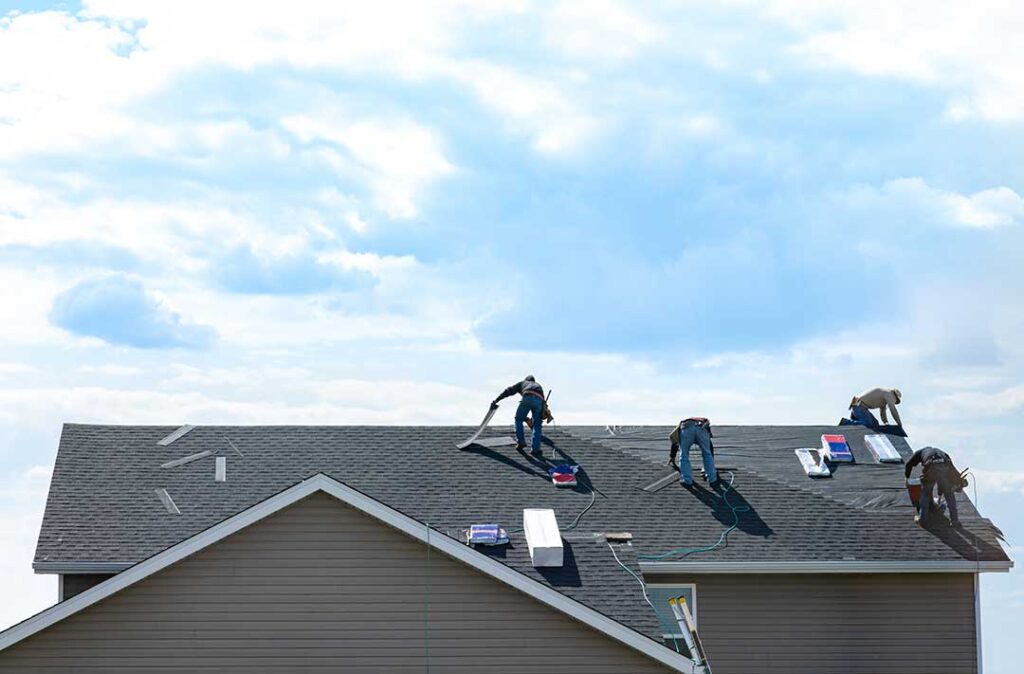
Regular roof maintenance is one of the simplest ways to protect a home from water damage, premature aging, and avoidable repair costs. In Ithaca, NY, seasonal snow, freezing temperatures, heavy rain, wind, falling leaves, and repeated freeze-thaw cycles can place stress on roofing materials throughout the year.
Maintenance does not mean constantly working on the roof. It means checking the roof system at sensible intervals, correcting small problems before they spread, and keeping related components—such as gutters, flashing, attic insulation, and ventilation—in sound condition.
Why does regular roof maintenance matter?
Regular maintenance helps identify minor defects before they become active leaks or structural problems. A cracked flashing joint, loose shingle, blocked gutter, or small area of exposed underlayment may not cause immediate concern, but weather can enlarge the defect over time.
A roof protects more than the visible interior ceiling. Water entering through the roof can affect:
- Roof sheathing and framing
- Attic insulation
- Drywall and interior paint
- Electrical components
- Flooring and stored belongings
- Mold-sensitive areas with poor ventilation
Early attention is usually less disruptive than dealing with water damage after a storm or during winter. Maintenance also provides a clearer record of the roof’s condition, which can be useful when planning household repairs or evaluating whether replacement is becoming more practical than continued patching.
How does Ithaca’s climate affect roof performance?
The local climate makes seasonal inspections especially useful. Snow and ice can accumulate during winter, while warmer periods may cause melting during the day and refreezing at night. These freeze-thaw cycles can expose weak points around valleys, eaves, chimneys, skylights, and wall intersections.
Wind can lift or loosen aging shingles. Rain may enter through small openings that are not obvious from the ground. In fall, leaves and twigs can collect in gutters and roof valleys, slowing drainage just as wet weather becomes more frequent.
Older homes may also have roof designs with multiple additions, steep sections, dormers, or enclosed attic spaces. These features can create areas where water, snow, and warm air behave differently from the main roof surface. A maintenance plan should account for the entire roof system rather than focusing only on shingles.
What should homeowners inspect in spring?
Spring is a useful time to look for damage left by winter. The inspection should begin from the ground whenever possible. Binoculars can help reveal missing, curled, cracked, or visibly displaced shingles without requiring anyone to walk on the roof.
Look for:
- Shingles that are missing, broken, or lifted
- Dark patches or areas where the surface appears uneven
- Damaged metal around chimneys, vents, skylights, and roof edges
- Gutters that are sagging or pulling away from the fascia
- Granules collecting heavily at downspout outlets
- Water stains on attic sheathing or interior ceilings
- Daylight visible through the roof deck from inside the attic
Not every dark roof mark indicates a leak, and not every ceiling stain is caused by the roof. Plumbing, ventilation, and condensation can also create moisture problems. The location and pattern of the damage matter, so a careful evaluation is more useful than assuming the visible stain identifies the source.
Why are gutters and downspouts part of roof maintenance?
Gutters and downspouts control where roof water goes. If they are clogged, water can overflow against fascia boards, siding, windows, foundations, and lower roof edges. During freezing weather, trapped water can also form ice that adds weight and contributes to gutter damage.
Gutters should be checked after major leaf fall and again before heavy winter weather. Downspouts should discharge water far enough away from the foundation to prevent repeated saturation near basement walls. Extensions, splash blocks, and drainage paths should remain clear.
A gutter problem can sometimes resemble a roof leak. Water entering near the edge of the ceiling may result from overflowing gutters rather than a failure in the field of the roof. This is one reason roof maintenance should include the drainage system.
What role do attic ventilation and insulation play?
A roof can appear intact while moisture problems develop below it. Warm, moist air from the living space may enter the attic through gaps around light fixtures, plumbing penetrations, access panels, and ductwork. If the attic is poorly sealed or ventilated, condensation can wet insulation and roof sheathing.
Balanced ventilation and adequate insulation help maintain more consistent roof temperatures. This can reduce moisture accumulation and limit conditions that contribute to ice dams. Ventilation is not a substitute for proper air sealing, however. Adding vents without addressing air leakage may not solve the underlying problem.
Homeowners can look for damp insulation, frost on roof sheathing, rusty nails, musty odors, or staining in the attic. Any electrical wiring, tight attic access, or difficult-to-reach area should be approached cautiously.
How can regular maintenance reduce ice-dam problems?
Maintenance can reduce the conditions that allow ice dams to cause interior leaks, although no routine inspection can guarantee that ice dams will never form. Ice dams develop when snow melts on warmer portions of a roof and refreezes near colder eaves. The resulting ice can obstruct drainage and force water beneath roofing materials.
Useful preventive measures include:
- Keeping gutters and downspouts clear
- Improving attic insulation where appropriate
- Sealing air leaks between the home and attic
- Maintaining balanced attic ventilation
- Watching for recurring frost or moisture problems
- Avoiding sharp tools or improvised methods to break roof ice
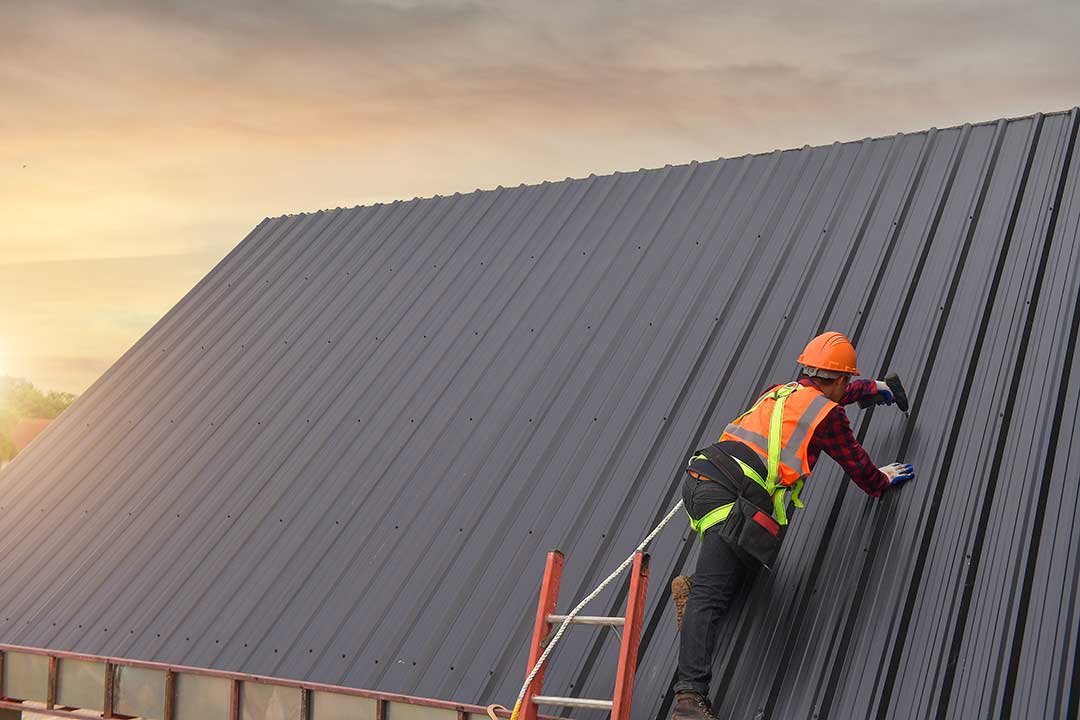
Snow removal from a roof can be hazardous, particularly on steep, icy, or elevated surfaces. Ice dams should not be attacked with axes, picks, or other sharp tools that can damage shingles and underlayment. Thick ice, deep snow, or visible interior leakage warrants qualified assistance because the work involves fall and structural hazards.
How often should a roof be checked?
For many homes, a visual review in spring and fall is a reasonable baseline. Additional checks are sensible after high winds, heavy snowfall, severe thunderstorms, or reports of water intrusion.
A roof may need closer monitoring if it is older, shaded by trees, surrounded by overhanging branches, or built with several roof intersections. Homes with past leaks, recurring ice dams, or attic condensation also benefit from documenting problem areas and checking them more frequently.
Maintenance should not involve walking on a roof unless the person doing so has the proper equipment, training, and safe conditions. Asphalt shingles can be damaged by foot traffic, and wet or icy surfaces create a serious fall risk. Ground-level observation and attic inspection are safer starting points.
What signs mean a roof problem needs prompt attention?
Some conditions should not wait for a routine seasonal review. Prompt attention is appropriate when there is:
- Active dripping or spreading ceiling discoloration
- A sagging roof deck or ceiling
- Large areas of missing or wind-damaged shingles
- Exposed underlayment or roof decking
- A fallen tree limb or other impact damage
- Significant ice accumulation near roof edges
- Water entering around a chimney, skylight, or vent
- Strong musty odors combined with visible moisture
Temporary interior measures, such as placing a container beneath a drip, may limit immediate damage, but they do not correct the source. Electrical fixtures near water should be treated as a safety concern.
Regular maintenance cannot stop every roofing problem. It can, however, make damage easier to detect, improve drainage and attic conditions, and help homeowners make informed decisions before a small defect becomes a major interruption.
