
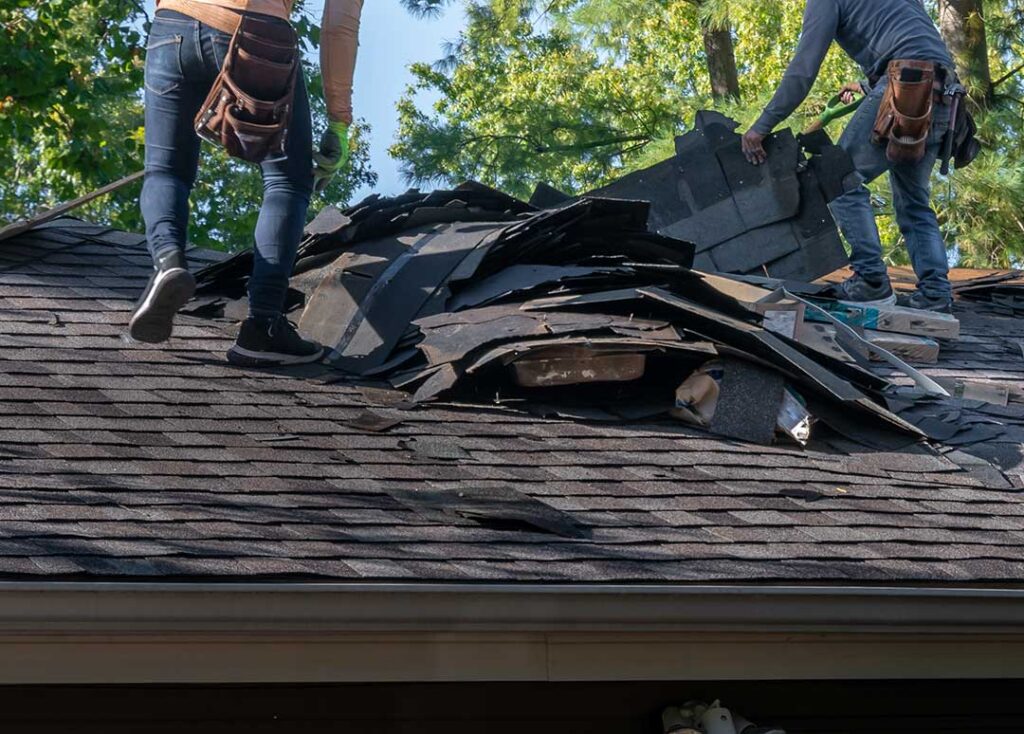
Roof damage rarely stays limited to the original problem. A missing shingle, loose flashing, clogged gutter, or small ceiling stain can allow water, cold air, and pests into parts of a home that are difficult to see. In Ithaca, NY, repeated snow, rain, wind, freezing temperatures, and seasonal thawing can make neglected damage worsen faster than many homeowners expect.
Why can a small roof problem become serious?
A minor roof defect can interrupt the roof’s ability to shed water. Once water gets beneath shingles or around flashing, it may travel along roof decking, rafters, insulation, walls, or ceilings before becoming visible indoors.
That means the location of a stain is not always the location of the roof failure. A ceiling mark near an exterior wall, for example, could be connected to damage higher up the roof or around a chimney, vent, dormer, or roof valley.
Over time, untreated moisture may cause:
- Rot in roof decking and framing
- Damp or compressed insulation
- Peeling paint and damaged drywall
- Mold growth in persistently moist materials
- Corrosion around fasteners, vents, and metal components
- Damage to flooring, furnishings, and stored belongings
The longer water remains active, the more materials may need to be removed and replaced rather than simply dried or repaired.
What are the main dangers of ignoring roof leaks?
The most immediate danger is continued water entry, but roof leaks can also affect indoor air quality, electrical components, structural materials, and household safety.
Structural deterioration
Roof decking can soften after repeated wetting. Rafters, trusses, fascia, and wall components may also deteriorate if moisture reaches them. Structural damage is especially concerning when it occurs near roof valleys, eaves, dormers, or areas that already carry concentrated snow.
A sagging roof surface, bowing ceiling, cracking around upper walls, or doors that suddenly stick may indicate that moisture has affected more than the roof covering. These signs should not be treated as cosmetic.
Mold and damp insulation
A single brief leak may dry without causing lasting problems, but repeated leaks can keep insulation and framing damp. Wet insulation loses effectiveness and can create concealed conditions where mold develops.
Musty odors, recurring discoloration, or rooms that feel unusually humid may point to moisture that has not been fully resolved. Covering a stain with paint does not correct the water source.
Electrical and fire hazards
Water near wiring, light fixtures, outlets, attic equipment, or electrical panels creates a safety concern. Even if no immediate problem is visible, moisture can corrode connections and damage components.
If water is actively reaching a light fixture or electrical device, avoid touching the wet area and use caution with nearby switches. Electrical concerns may require prompt attention from a qualified electrician.
Higher heating and cooling costs
Roof leaks often occur alongside gaps in flashing, damaged underlayment, poor attic ventilation, or wet insulation. These conditions can reduce the effectiveness of the building envelope.
In winter, heat escaping into a poorly ventilated roof space can contribute to uneven snow melting and ice dams. In summer, inadequate roof and attic performance can increase heat buildup in upper rooms. The result may be higher energy use and less comfortable living space.
How do Ithaca winters affect neglected roof damage?
Winter weather adds several layers of stress to an already weakened roof. Ithaca commonly experiences snow, freezing temperatures, rain, and repeated freeze-thaw cycles. Water can enter a small crack, freeze, expand, and enlarge the opening.
Snow and ice can also hide damaged shingles, blocked drainage, and loose flashing. A roof may appear quiet during a cold spell while moisture remains trapped beneath snow or ice. When temperatures rise, stored water can move into the roof assembly or interior walls.
Ice dams are another concern. They form when snow melts on a warmer portion of the roof and refreezes near a colder eave. The resulting ice can obstruct drainage and allow water to move beneath shingles. Neglected edge damage, clogged gutters, and inadequate attic insulation or ventilation can increase the likelihood of interior leakage.
Heavy snow should not be assumed to be harmless simply because the roof has supported previous storms. Snow can drift into valleys, behind roof projections, or along changes in roof height, creating uneven loads. Warning signs include unusual roof sagging, cracking sounds, doors or windows that become difficult to operate, and ceilings that begin to bow.
Which roof problems should not be postponed?
Some defects deserve prompt attention because they can worsen quickly or create a safety risk:
- Active leaks during rain or thawing
- Missing, lifted, or widely cracked shingles
- Damaged flashing around chimneys, vents, skylights, and walls
- Sagging roof lines or ceilings
- Large areas of moss or organic buildup holding moisture
- Gutters pulling away from the roof edge
- Exposed roof decking or underlayment
- Water stains that return after drying
- Ice buildup associated with interior leaks
- Damage following high winds, falling branches, or heavy snow
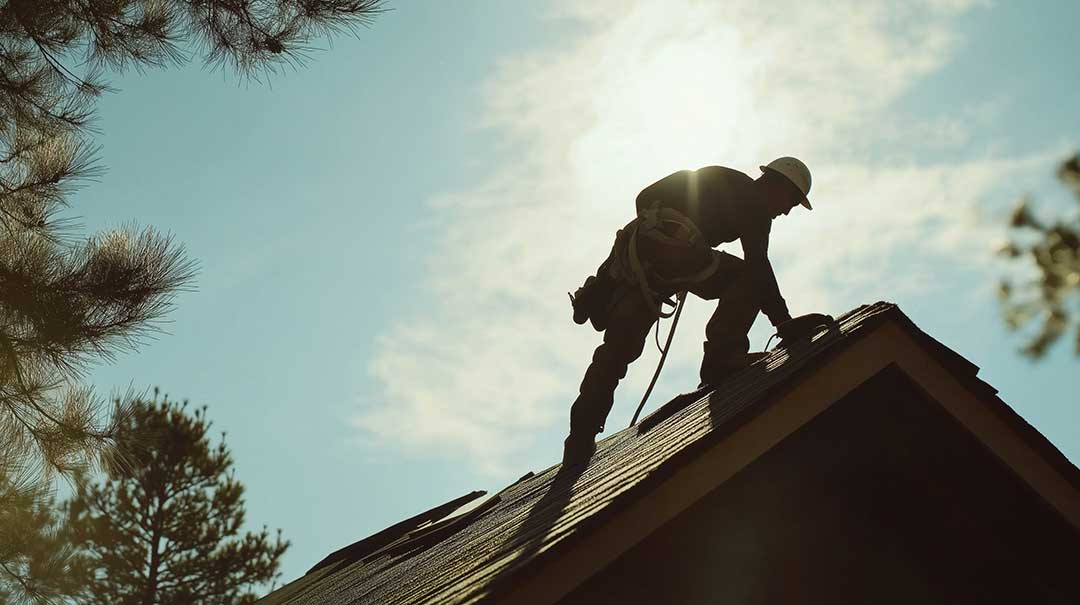
A few isolated, weathered shingles may not produce immediate interior damage, but they still provide an opening for wind and water. The correct response depends on the roof’s age, material, slope, condition beneath the surface, and the extent of the damage.
Can a homeowner safely inspect a roof?
A ground-level inspection is usually safer and often provides useful information. Look for missing shingles, visible gaps, sagging areas, damaged gutters, loose flashing, and water stains in the attic or upper ceilings.
Climbing onto a wet, icy, steep, or snow-covered roof is hazardous. Walking on some roofing materials can also cause additional damage. Binoculars can help with a visual check from the ground, while attic observations may reveal damp insulation, daylight through openings, or darkened wood.
After severe weather, keep people away from areas beneath obvious sagging or falling debris. Do not remove heavy snow or ice from a roof without appropriate equipment and training; improper removal can injure people or damage the roof covering.
How can delayed repairs affect household costs?
Ignoring a roof issue may appear to save money temporarily, but the eventual repair can involve several systems at once. A roof leak that begins around flashing may later require repairs to decking, insulation, drywall, paint, flooring, or electrical components.
Water can also damage personal property stored in attics, upper floors, and closets near exterior walls. Paper records, photographs, furniture, electronics, and seasonal items may be affected before a leak becomes obvious.
Insurance coverage can vary by policy, cause of loss, maintenance history, and the timing of the damage. A sudden storm event may be treated differently from deterioration that developed over a long period. Keeping records of visible damage, weather events, temporary protective steps, and prior maintenance can help clarify what happened.
What should happen after a leak is discovered?
First, protect people and belongings from falling materials and active water. Place containers beneath drips when safe, move valuables away from the affected area, and document stains or damaged materials.
Next, determine whether the leak is ongoing, whether electrical components are involved, and whether the roof or ceiling is sagging. Temporary measures may reduce further water entry, but they do not replace identifying and correcting the underlying failure.
Prompt attention is especially important before periods of heavy rain, snow, or freezing weather. A roof that is only slightly compromised in mild conditions may perform much worse when exposed to accumulated snow, wind-driven rain, or repeated thawing.
For households in Ithaca, regular ground-level checks in spring and fall, along with inspections after major storms, can reveal developing problems before they spread into the structure. The most useful warning signs are often simple: a new stain, a loose gutter, a missing shingle, a musty attic, or a roofline that no longer looks straight.
