
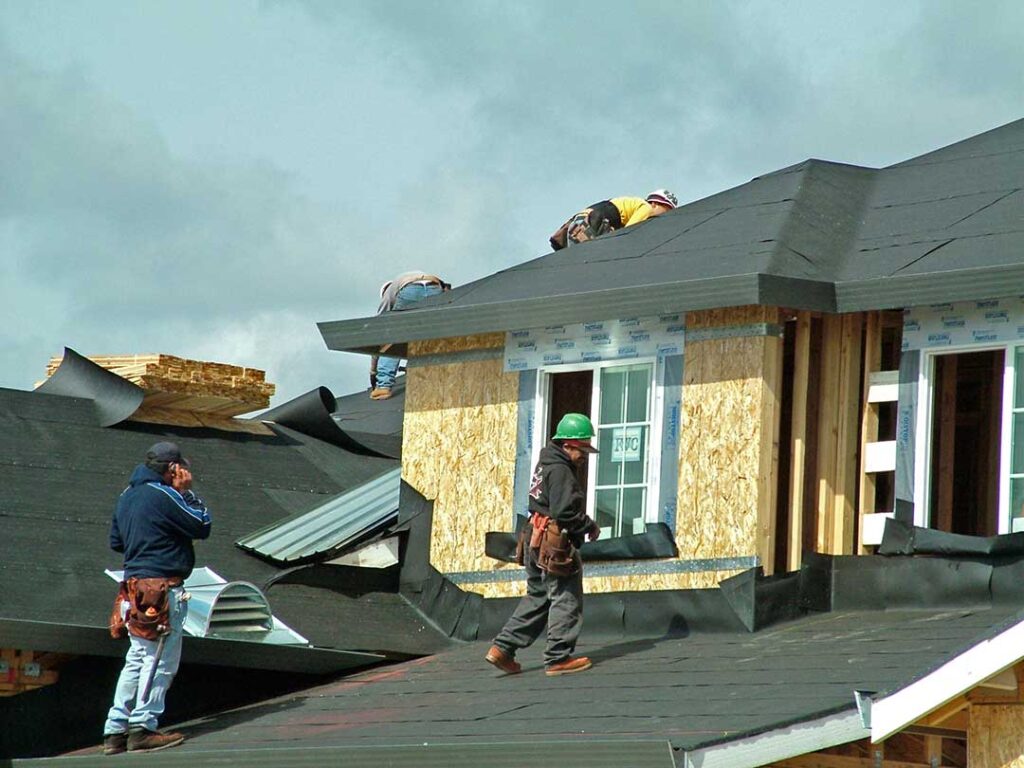
Roofing technology is moving beyond basic shingles and leak protection. Newer systems can improve energy performance, manage water, support solar power, detect moisture earlier, and provide better resistance to the freeze-thaw cycles common in Ithaca.
The most useful innovation is not always the newest-looking material. In many homes, better results come from combining improved underlayment, ventilation, insulation, flashing, drainage, and roof coverings into one compatible assembly.
What counts as roofing technology today?
Modern roofing technology includes both visible materials and the hidden layers beneath them. A roof assembly may include the roof deck, air and moisture barriers, insulation, ventilation channels, flashing, drainage components, and the outer roof covering.
Recent developments include:
- High-performance synthetic underlayments
- Ice-barrier membranes for vulnerable eaves and roof edges
- Reflective or “cool” roofing materials
- Solar shingles and building-integrated photovoltaic roof coverings
- Moisture and temperature sensors
- Vegetated roofing systems
- Recycled-content and longer-lasting roof materials
- Improved attic ventilation and insulation systems
These technologies address different problems. A reflective roof may reduce summer heat gain, while a stronger underlayment may provide better protection during wind-driven rain or ice buildup. There is no single upgrade that improves every roof equally.
Which roofing innovations matter most in Ithaca?
For local homes, moisture management, winter durability, and ventilation are usually more important than choosing a futuristic-looking product. Snow, ice, repeated freezing and thawing, heavy rain, shaded roof sections, and older housing designs can all affect roof performance.
A few technologies have particular practical value:
Improved water-shedding layers: Modern underlayments can provide more continuous protection beneath shingles or metal panels. They are especially useful around valleys, roof penetrations, eaves, and other areas where water tends to concentrate.
Ice-barrier membranes: These membranes are designed to reduce leakage caused by ice dams or wind-driven precipitation at vulnerable roof edges. They do not eliminate ice dams, because attic heat loss, roof geometry, snow conditions, and ventilation also matter.
Enhanced flashing systems: Newer prefabricated flashing components can reduce the number of seams around chimneys, skylights, walls, and plumbing vents. Correct installation remains more important than the name or appearance of the component.
Ventilation improvements: Balanced intake and exhaust ventilation helps control heat and moisture in the attic. Poor ventilation can contribute to condensation, premature material aging, and uneven snow melting.
Are cool roofs useful in a cold, snowy climate?
Cool roofs use materials or surface colors that reflect more sunlight and absorb less heat. They can reduce roof surface temperatures during sunny weather, which may lower summer heat gain in some buildings.
In a heating-dominated climate, the benefit is more limited than in very hot regions. A highly reflective roof does not automatically reduce annual energy costs, and winter heating demand remains a major consideration. Roof color, insulation levels, attic ventilation, window performance, and heating equipment all influence the result.
For local residences, a cool-roof product may make sense on a low-slope addition, garage, porch, or building with substantial summer cooling demand. It should be evaluated as part of the full energy design rather than treated as a universal upgrade.
How are solar shingles and rooftop solar changing roofing?
Solar technology is becoming more integrated with roofing. Traditional solar panels sit above the roof covering, while building-integrated photovoltaic systems form part of the roof surface or replace certain roof-covering materials.
The main advantages of integrated systems include a cleaner appearance and the ability to combine electricity generation with roof replacement. The tradeoffs can include higher installation complexity, specialized repair requirements, and the need to coordinate electrical work with roofing details.
Roof structure and condition must be evaluated before adding any solar system. A roof nearing the end of its service life may require replacement or major repairs before solar equipment is installed. Shade from trees, nearby structures, roof orientation, snow accumulation, and roof pitch also affect performance.
Solar equipment should not obstruct drainage, create difficult-to-seal penetrations, or interfere with access for future maintenance.
Can technology detect roof leaks before they become visible?
Yes. Moisture sensors and monitoring systems can identify abnormal dampness in selected roof or attic areas. Some systems are designed for commercial buildings, flat roofs, or facilities where a hidden leak could damage valuable equipment.
For houses, simpler warning methods are often more practical. Examples include attic humidity monitors, temperature sensors, water alarms near vulnerable areas, and periodic inspection of roof penetrations and attic insulation.
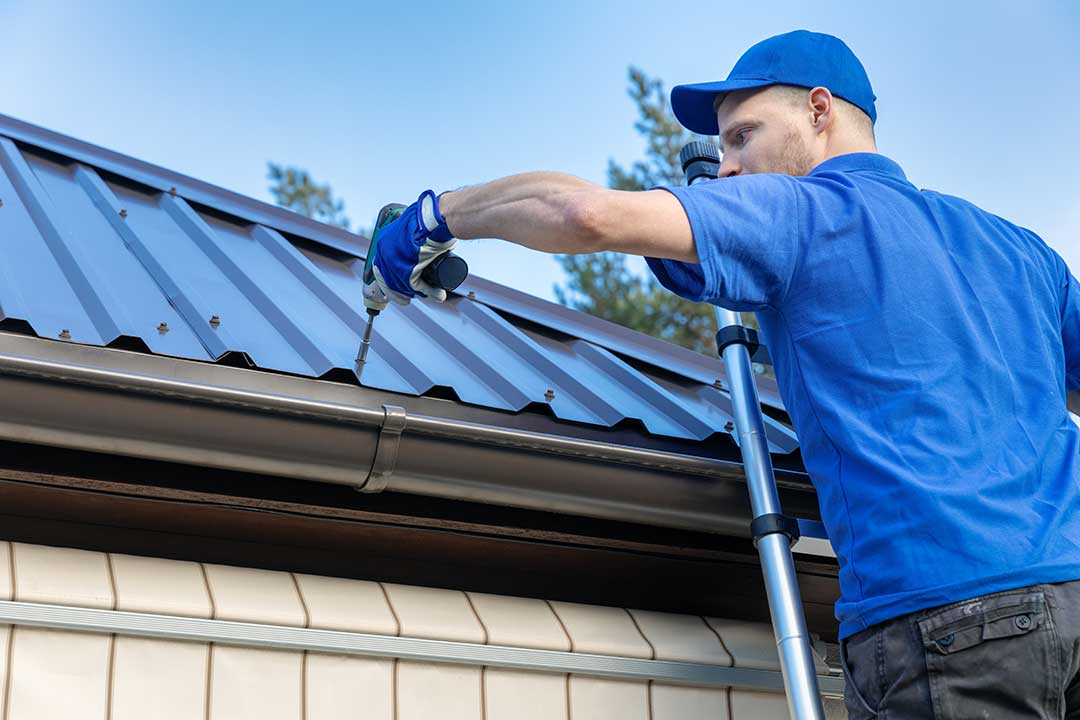
A sensor can identify a moisture problem, but it usually cannot explain the cause by itself. Condensation, plumbing leaks, ice dams, roof leaks, and wind-driven rain may produce similar readings. Monitoring works best when combined with physical inspection and a clear record of where moisture appears.
What role do green roofs and rainwater systems play?
Green roofs use layers of waterproofing, drainage material, growing medium, and vegetation. They can slow rainfall runoff, reduce surface temperatures, and add habitat in appropriate settings.
They are more common on low-slope roofs and purpose-designed structures than on typical steep residential roofs. A vegetated roof adds substantial weight, requires careful waterproofing, and may need irrigation, maintenance, and structural review.
Rainwater collection is another developing option. Gutters can direct runoff into storage containers or landscaped areas, reducing the amount of water flowing directly across paved surfaces. In freezing weather, systems must be designed to prevent trapped water, ice damage, and unsafe overflow.
Are recycled roofing materials reliable?
Many roofing products now include recycled content, and some metal, rubber, composite, and polymer-based materials are designed to imitate slate, wood, or other traditional coverings. Reuse and recycling can reduce material waste, but environmental performance depends on the full product life cycle.
Important questions include:
- How long is the expected service life?
- Can the material be repaired or replaced in sections?
- Is it suitable for local snow, wind, and temperature conditions?
- Are compatible flashing and underlayment components available?
- Can the material be recycled at the end of its service life?
- Does the roof deck require reinforcement?
A product described as sustainable is not automatically the best environmental choice if it fails early or cannot be maintained.
What should homeowners check before choosing a new system?
Start with the existing roof rather than the technology catalog. The roof deck, attic moisture levels, insulation, ventilation, drainage, flashing, and structural capacity should be understood before selecting materials.
New York’s building requirements also change over time. As of December 31, 2025, the 2025 New York State Uniform Code and Energy Code became effective, with provisions addressing roof assemblies, drainage, insulation, photovoltaic systems, and several roof-covering types. Permit requirements and code details can depend on the scope of work and the type of building.
For older homes, compatibility deserves special attention. A modern roof covering installed over a poorly ventilated attic or deteriorated deck may not perform as expected. Likewise, adding solar equipment or a heavier roof system may require structural review.
The most effective roofing innovation is usually the one that solves a specific problem: controlling attic moisture, improving drainage, reducing summer heat, supporting solar generation, or extending service life. Local weather exposure and the condition of the entire roof assembly should guide that decision more than novelty alone.
