
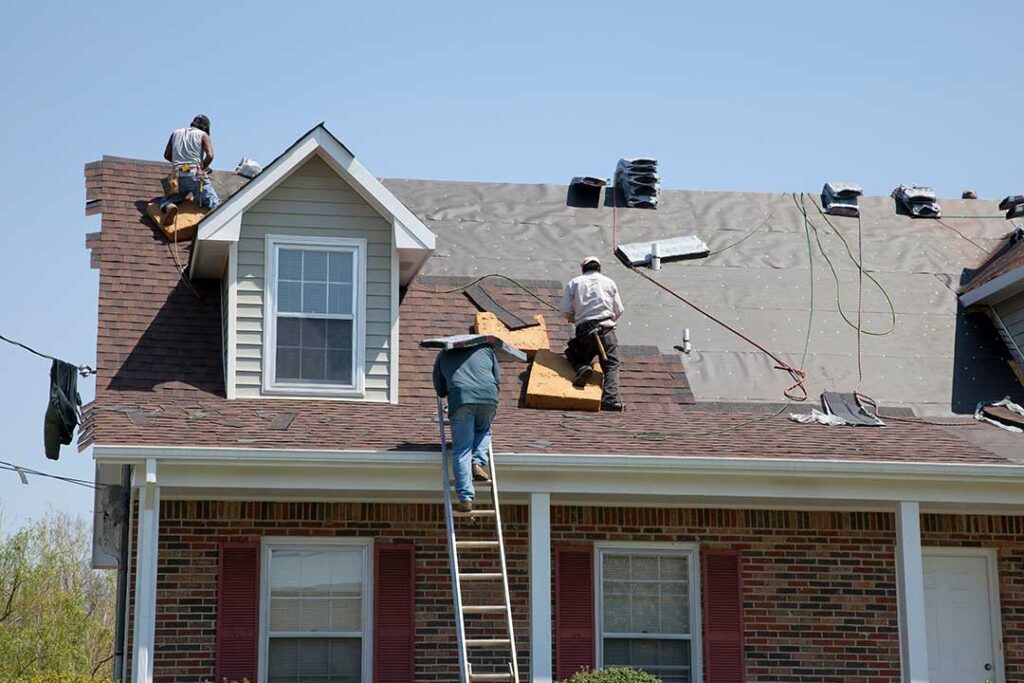
Roof decking, also called roof sheathing, is the structural layer beneath shingles or other roofing materials. It supports the roof covering and helps transfer the weight of snow, wind, and maintenance activity to the rafters or trusses.
In Ithaca, NY, roof decking can be exposed to repeated wetting, freezing, thawing, heavy snow, and ice buildup. Damage is not always visible from the ground, but several warning signs can appear inside the attic, on ceilings, or across the roof surface.
What does damaged roof decking look like?
Damaged decking may appear stained, swollen, soft, sagging, split, or deteriorated around fasteners and roof openings. The problem often begins with moisture from a roof leak, condensation, ice damming, or a flashing failure.
Common materials include plywood and oriented strand board, often called OSB. Both can lose strength when they remain damp for extended periods. A single small leak may not cause immediate structural damage, but repeated moisture can lead to decay, mold growth, and weakened connections.
Which indoor signs should residents watch for?
The attic and upper floors often reveal decking problems before the exterior does. Look for:
- Brown, gray, or yellow water stains on ceilings and upper walls
- Damp or musty odors in the attic
- Darkened wood around roof penetrations
- Visible mold or mildew on rafters, trusses, or sheathing
- Peeling paint or bubbling drywall near the ceiling
- Damp insulation or insulation that has become compressed
- Daylight visible through holes, cracks, or separated roof boards
- Rusted nails, metal fasteners, or roof framing connections
A stain does not always identify the exact location of the leak. Water can travel along the underside of the decking or down framing before appearing indoors. A ceiling mark beneath one area of the attic may originate several feet away, especially near valleys, chimneys, plumbing vents, skylights, or roof-to-wall intersections.
What exterior roof signs suggest a decking problem?
Some roof surface changes indicate that the layer beneath the shingles may no longer be firm and flat. Watch for dips, waves, depressions, or sections that appear uneven when viewed from the ground.
A sagging roof area is more concerning than ordinary shingle wear. It may indicate weakened decking, damaged rafters, trapped moisture, or a combination of problems. Shingles that appear buckled or wavy can also reflect movement in the underlying surface, although installation issues and temperature changes may produce similar patterns.
Other clues include:
- Shingles that repeatedly loosen or lose nails
- Nails backing out or appearing through the shingle surface
- Soft-looking areas around roof penetrations
- Persistent moss or organic growth in a localized area
- Water collecting in a roof depression
- Damaged fascia or soffit near a roof edge
- Repeated repairs in the same roof section
Do not walk on a roof that looks sagging, feels soft, or has visible structural damage. The decking may not safely support a person.
How can a roof leak damage the deck?
Roof leaks commonly develop around valleys, flashing, vents, chimneys, skylights, and roof edges. Missing or damaged shingles may allow water beneath the roof covering, but the visible shingle problem is not always the full extent of the damage.
Water can soak the underlayment and decking. If the wood dries quickly and the leak is corrected, lasting damage may be limited. If moisture remains trapped, the decking may swell, delaminate, soften, or begin to decay.
Ice buildup is another concern in cold-weather areas. During winter, heat escaping into the attic can melt snow on warmer sections of the roof. Water may then refreeze near colder eaves, creating an ice dam. Water held behind the dam can work beneath shingles and reach the decking.
Can condensation damage roof decking even without a roof leak?
Yes. Moisture from indoor air can condense on cold roof sheathing, particularly when attic ventilation, insulation, or air sealing is inadequate. This can happen without a noticeable hole in the roof covering.
Condensation-related damage may appear as widespread dark staining, frost on the underside of the decking during cold weather, damp insulation, rusty fasteners, or a persistent musty odor. Bathroom fans that discharge into the attic, gaps around attic hatches, recessed lights, and unsealed plumbing penetrations can increase the amount of warm, moist air entering the roof assembly.
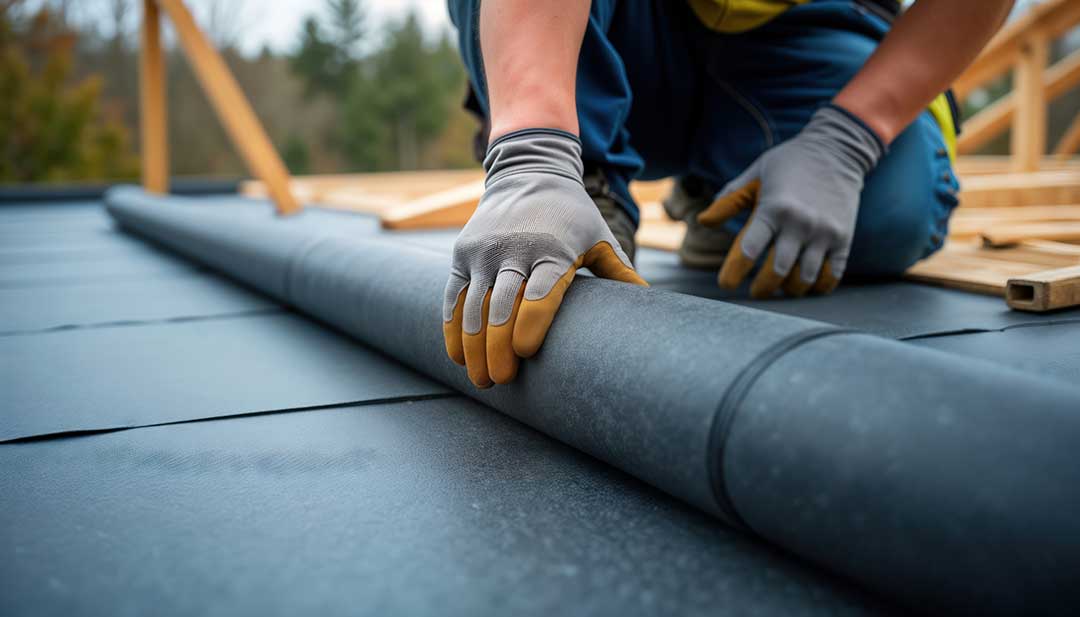
A roof that appears watertight from outside can still develop decking problems if moisture cannot dry effectively.
How serious is a soft spot in the roof?
A soft spot may indicate localized deterioration, but its significance depends on its size, location, and cause. Soft decking near a valley, eave, or roof penetration deserves particular attention because these areas commonly receive concentrated water flow.
A small area of damaged sheathing may be repairable without replacing the entire roof. However, covering deteriorated decking with new shingles does not restore its strength. The underlying material must be dry, sound, and properly supported before new roofing is installed.
Immediate caution is appropriate when there is visible sagging, a large area of rot, water entering during rain, or cracking and movement in the ceiling below.
Does an old roof automatically need new decking?
No. Roof age alone does not prove that the decking is damaged. Many older roofs have sound sheathing, while a relatively newer roof can have localized deterioration from a flashing failure, installation problem, storm damage, or condensation.
The condition of the decking is usually confirmed from the attic, through limited inspection openings, or after the roof covering is removed during repair work. The visible roof surface can provide clues, but it cannot always reveal the condition of the wood beneath it.
What should be checked after a storm?
After heavy wind, rain, or snow, inspect ceilings and attic spaces for new stains, damp insulation, displaced shingles, and daylight through the roof. Pay attention to areas around vents, valleys, chimneys, and roof edges.
Snow loads can also expose weaknesses that were not noticeable during warmer seasons. If a roof begins sagging, interior doors suddenly stick near the upper floor, or ceiling finishes crack after a major snow event, keep people away from the affected area and treat the condition as potentially structural.
Roof inspections involving steep slopes, unstable decking, ice, or electrical equipment can be hazardous. A qualified building or roofing inspector may be necessary when the condition cannot be evaluated safely from the ground or attic access area.
How can decking problems be prevented?
Prevention starts with controlling both exterior leaks and interior moisture. Useful maintenance includes:
- Keeping gutters and downspouts clear so water can drain away from roof edges
- Checking flashing and roof penetrations for gaps or deterioration
- Keeping bathroom and kitchen exhaust directed outdoors
- Maintaining adequate attic insulation and ventilation
- Watching for recurring ice dams or heavy snow accumulation
- Inspecting the attic after major storms and during winter
- Repairing small leaks before staining, odor, or soft wood develops
The most reliable warning sign is not always dramatic. A recurring ceiling stain, a musty attic, or a small area of uneven shingles can indicate that moisture has reached the roof decking and deserves closer evaluation.
