

A roof tear-off is the removal of existing roofing materials before a new roof system is installed. It can involve more than stripping away shingles: underlayment, flashing, ventilation components, damaged sheathing, and layers from earlier reroofing may also need to be evaluated.
For homeowners in Ithaca, NY, understanding the process helps explain the noise, debris, weather concerns, inspection steps, and decisions that can arise during the project.
What does a roof tear-off include?
A typical tear-off removes the roofing materials down to the roof deck, which is usually made from plywood or oriented strand board. The work may include:
- Shingles, underlayment, and roofing nails
- Old ridge vents, pipe boots, or other roof-mounted components
- Step flashing and valley materials that cannot be reused
- Ice-and-water protection in areas where replacement is necessary
- Damaged or weakened roof decking
- Debris trapped beneath overlapping layers
A tear-off is different from a roof overlay, in which new shingles are installed over an existing layer. Removing the old materials gives the roof deck a chance to be inspected and allows the replacement system to be installed on a more consistent surface.
Why are old roofing materials removed instead of covered?
A roof overlay may appear simpler, but it can conceal problems. Existing shingles may be curled, brittle, or uneven, and a second layer can make those defects harder to identify. Extra roofing layers also add weight to the structure.
A full removal allows the condition of the decking, flashing, ventilation, and areas around roof penetrations to be checked. It also makes it easier to correct problems that might otherwise shorten the life of the new roof.
Some buildings may have more than one old layer from previous reroofing work. The number of layers, their condition, and local requirements can affect whether removal is necessary. A qualified roofing or building professional may also need to determine whether the existing structure can safely support the planned materials.
What happens before the tear-off begins?
Preparation usually takes place before the first shingles are removed. The work area may be inspected for access, electrical hazards, landscaping, exterior fixtures, and areas vulnerable to falling debris.
Common preparation steps include:
- Protecting doors, windows, siding, decks, and nearby plantings
- Moving outdoor furniture, grills, decorations, and vehicles
- Covering attic vents or other openings where dust could enter
- Setting up ground protection and debris collection
- Planning how materials and waste will move on and off the property
- Checking the forecast for rain, strong wind, and freezing conditions
Roof work can be especially weather-sensitive in the Finger Lakes region. Rain, snow, frost, and rapid temperature changes can delay a tear-off or require temporary protection over exposed areas.
How long does a roof tear-off take?
Many straightforward residential tear-offs can be completed in one working day, but the full project may take longer. Timing depends on roof size, pitch, accessibility, number of existing layers, material type, crew size, and the condition of the roof deck.
A small, simple roof may move quickly. A steep roof with multiple layers, dormers, valleys, chimneys, or attached additions can require substantially more time. Delays may also occur if damaged decking is discovered or if weather prevents the roof from being safely covered before the next stage.
The removal itself is only one part of the project. Installation, cleanup, inspections, and repairs to underlying materials may extend the schedule.
What happens if damaged decking is found?
Roof decking is the structural surface beneath the roofing materials. It should be solid enough to hold fasteners and support the new roof system.
During a tear-off, decking may be found to have:
- Soft or spongy areas
- Water staining or rot
- Cracks, holes, or broken panels
- Sagging between framing members
- Damage around chimneys, skylights, valleys, or roof edges
Small areas of damage may be removed and replaced with matching structural panels. More extensive problems can require a closer evaluation of framing or moisture sources. The cause of the damage also matters. Replacing the decking without addressing a leaking flashing detail, blocked drainage path, or ventilation issue may allow the problem to return.
Homeowners should expect that hidden conditions cannot always be known accurately before the roof is opened. A written explanation and photographs can help clarify what was found and why a repair is needed.
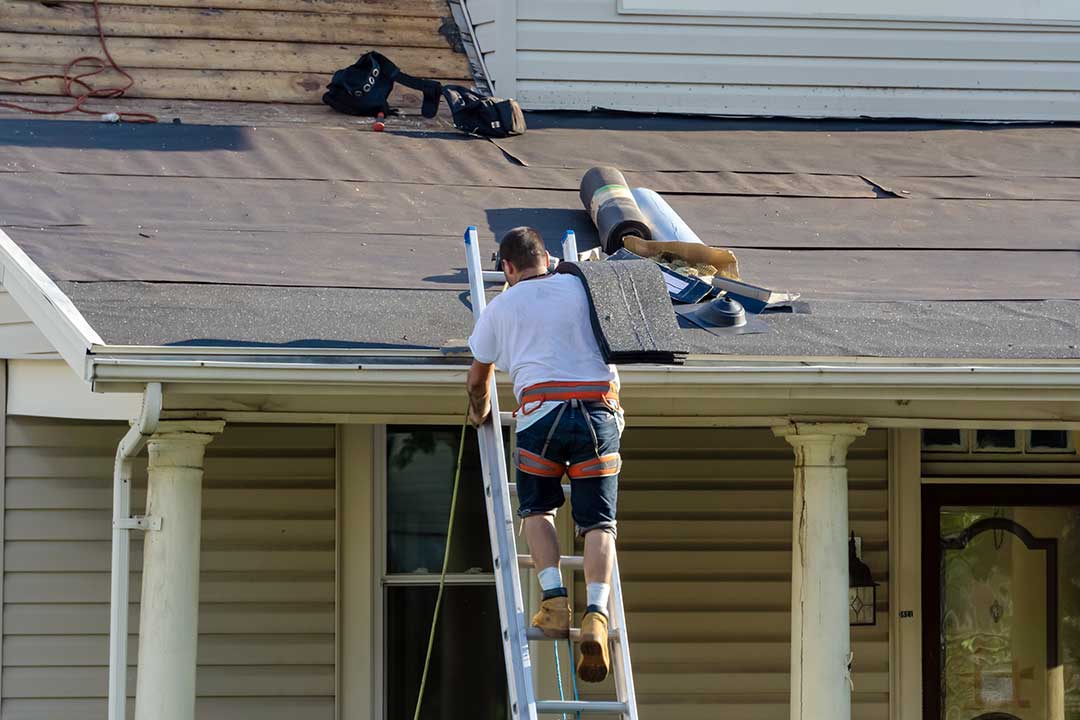
Will the house be exposed during the tear-off?
A roof should not be left open to rain or snow. Tear-off work is normally organized so that exposed areas are covered with temporary protection or are prepared for installation during the same work period.
Even with careful planning, an open roof can be vulnerable to sudden weather. This is one reason forecasts, daily work limits, and emergency covering materials matter. In Ithaca, summer thunderstorms and winter weather can change conditions quickly, while cold temperatures can affect how some roofing materials are handled and sealed.
If rain enters during or after a tear-off, warning signs may include new ceiling stains, damp attic insulation, musty odors, or water around light fixtures. Electrical fixtures showing signs of moisture should not be used until they have been checked for safety.
What should residents expect from the noise and debris?
Tear-offs are loud. The work may involve scraping, hammering, walking on roof surfaces, and moving materials across the property. Noise can travel through attic spaces and may be noticeable indoors even when windows are closed.
Debris can include shingles, nails, underlayment, wood fragments, dust, and small pieces of flashing. Ground protection and magnetic sweeps can reduce the risk of leftover nails, but residents should still use caution around the work area.
Children and pets should be kept away from the perimeter during the project. Extra care is also useful near driveways, walkways, gardens, play areas, and entrances. A final cleanup should include checking the ground, gutters, attic access areas, and other nearby surfaces.
What happens after the old roof is removed?
Once the roof deck is exposed, the surface is inspected and prepared. Damaged decking may be repaired, and the roof may be checked for proper drainage, edge alignment, penetrations, and ventilation.
The replacement roof system commonly includes:
- Roof-deck repairs where necessary
- Underlayment
- Ice-dam protection in appropriate areas
- Drip edge and flashing
- Shingles or another approved roof covering
- Ridge, soffit, or other ventilation components
- Sealing around pipes, vents, chimneys, and other penetrations
The exact assembly depends on the roof design, material specifications, and applicable building requirements. A tear-off is an opportunity to correct installation details that were difficult to inspect while the old roof was in place.
Is a tear-off always necessary?
Not every roof requires the same approach. A roof with one relatively sound layer may sometimes qualify for an overlay, depending on the material, roof condition, local requirements, and manufacturer instructions.
A tear-off is more likely to be appropriate when the roof has multiple layers, widespread curling or blistering, uneven surfaces, concealed leaks, damaged decking, or outdated flashing. It is also generally necessary when the existing roof covering must be removed to meet installation requirements for the replacement system.
The key question is not simply whether an overlay is possible, but whether it would provide a sound, inspectable, durable roof assembly for the particular building.
How can a household prepare?
Before work begins, residents can reduce disruption by removing fragile items from attic spaces and upper rooms, securing wall decorations, trimming back loose outdoor objects, and planning where vehicles and pets will be kept.
It also helps to ask how the roof will be protected if weather changes, how hidden decking damage will be documented, and how debris and nails will be collected. Those details do not eliminate every surprise, but they make the process easier to understand and safer for the household.
