
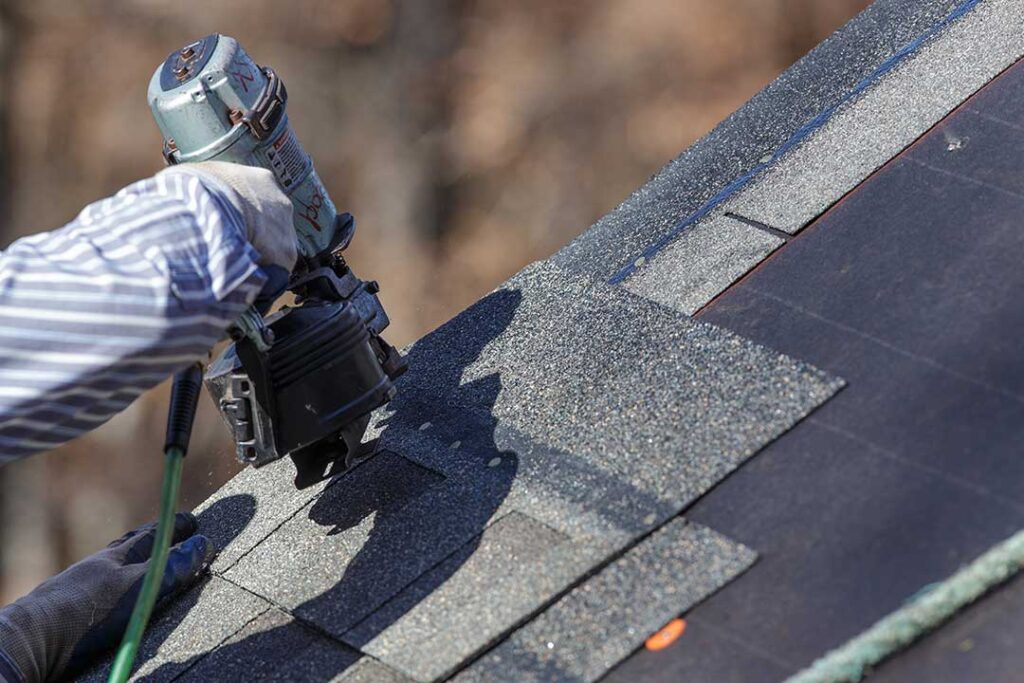
Renovation work can protect and improve a home, but it can also expose the roof to damage. Removing siding, replacing windows, adding an addition, installing solar equipment, or working around chimneys can create openings where water, wind, debris, and foot traffic affect the roofing system.
In Ithaca, NY, changing weather makes temporary protection especially important. Rain can arrive during otherwise dry work periods, while freeze-thaw cycles, snow, ice, and strong winds can turn a minor construction mistake into a leak or structural problem.
What should be done before renovation work begins?
The roof should be inspected and documented before materials, tools, or workers arrive. This creates a clear record of existing conditions and helps identify weak areas that may not tolerate additional traffic.
A pre-renovation check should look for:
- Missing, cracked, curled, or loose shingles
- Exposed fasteners or damaged flashing
- Soft areas in the roof deck
- Sagging near valleys, eaves, or roof penetrations
- Blocked or damaged gutters and downspouts
- Existing leaks, water stains, or damp insulation
- Loose chimney caps, vent covers, or exterior trim
Photographs are useful, especially around roof edges, skylights, chimneys, valleys, and areas where ladders may be placed. It is also helpful to record the age and general condition of the roofing material.
If the roof is already near the end of its service life, renovation traffic may cause damage that would not occur under normal conditions. Planning for roof replacement or repairs before major exterior work can prevent conflicting projects later.
How can workers prevent roof damage from foot traffic?
Roofing materials can be damaged by repeated walking, concentrated weight, and poorly positioned ladders. Even asphalt shingles that appear sturdy may lose protective granules or become cracked when stepped on in cold weather.
Workers should use designated access routes rather than walking across the entire roof. Foot traffic should be limited near:
- Shingle edges and exposed seams
- Ridge caps and roof valleys
- Skylights and plastic vent covers
- Areas with brittle, aged, or moss-covered materials
- Roof sections covered by frost, snow, or ice
Ladders should not rest directly against gutters, drip edges, skylights, or fragile trim. Protective equipment may be needed where ladders or staging contact the roof. Heavy bundles of shingles, lumber, drywall, and tools should never be stored casually on a roof. Concentrated weight can damage the roof deck or distort framing.
Cold temperatures deserve extra caution. Shingles become less flexible in freezing conditions, and walking on them may cause cracking that is not immediately visible.
How should the roof be covered during construction?
Temporary coverings can reduce exposure to rain and debris, but they must be installed carefully. A loose tarp may trap water, scrape shingles, flap in the wind, or pull on flashing and fasteners.
For open sections of roof, protection should:
- Extend high enough above the exposed area to direct water downhill
- Be secured without creating new holes in sound roofing
- Allow water to drain instead of collecting in pockets
- Remain tight enough to avoid wind movement
- Be checked after heavy rain, high winds, and freeze-thaw conditions
Tarps are not a substitute for a properly sealed roof opening. If a renovation leaves the roof deck exposed, the opening should be covered with suitable temporary roofing materials and protected from water intrusion at the edges.
An uncovered opening can allow moisture into insulation, framing, and interior finishes within a short time. Water may also travel away from the visible opening, making the eventual source of a ceiling stain difficult to identify.
What should happen when part of the roof is removed?
A roof should not be opened farther than the crew can protect and close within the same work period, particularly during wet or unsettled weather. The exposed area should be planned around the day’s forecast, but weather forecasts should not be treated as a guarantee.
Before removing roofing, workers should know:
- Where the roof will be opened
- How the opening will be supported and protected
- How water will be directed away from the work area
- Whether insulation or electrical wiring is nearby
- How the area will be closed if work stops unexpectedly
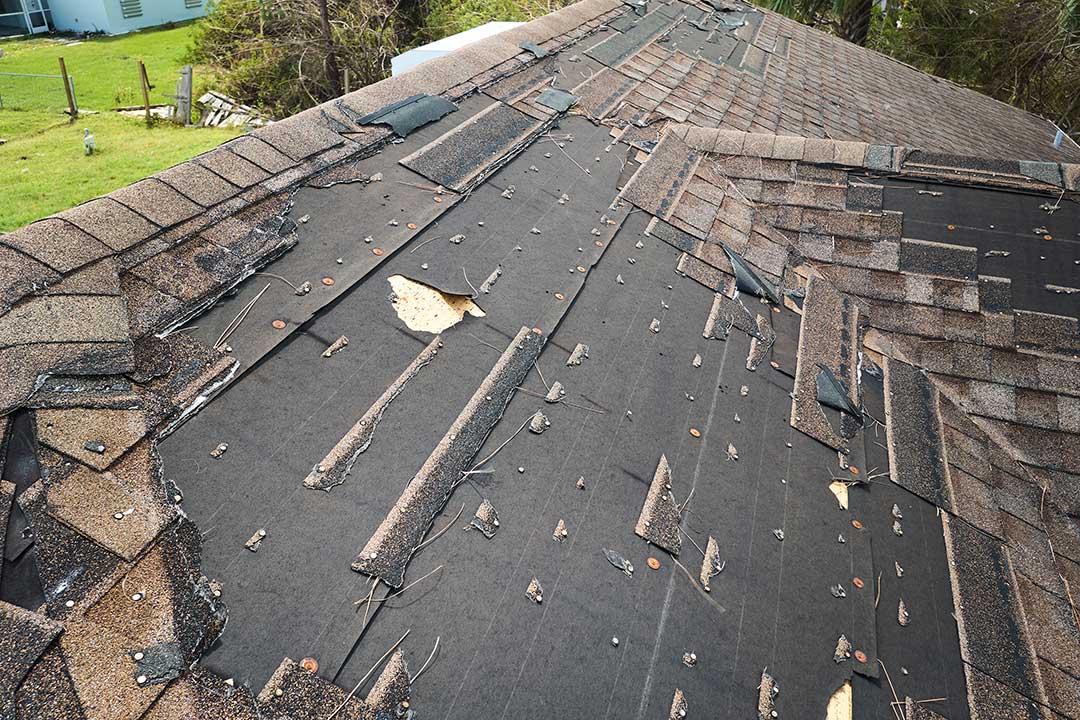
A roof opening should be inspected before it is covered permanently. Damaged sheathing, wet insulation, mold growth, and improperly sealed penetrations should not be concealed beneath new roofing or exterior finishes.
For additions and dormers, the connection between old and new roof sections deserves particular attention. Valleys, step flashing, wall intersections, and changes in roof slope are common locations for leaks. The new work should direct water continuously into the drainage system rather than relying on sealant alone.
How can renovations protect gutters and drainage?
Construction debris can quickly block gutters and downspouts. Nails, shingle granules, sawdust, insulation, leaves, and pieces of mortar may collect in the drainage system and prevent water from leaving the roof.
Gutters should be protected from ladder pressure and checked regularly during the project. Downspouts should remain connected and discharge water away from the foundation. Temporary extensions may be needed if scaffolding, excavation, or landscaping work changes where water can safely drain.
After roof-related work, gutters and downspouts should be cleared and tested. A blocked gutter can overflow behind fascia boards, onto siding, or near the foundation, creating damage that may be mistaken for a roofing failure.
What are the risks from construction debris?
Small debris can damage roofing more easily than expected. Nails and screws may puncture membranes or become embedded in shingles. Metal fragments, broken tile, and sharp wood pieces can scrape protective surfaces or create hazards for people and pets.
A renovation site should have a planned method for collecting debris. Sweeping or magnetic collection may help remove loose fasteners from accessible areas, but powered tools and careless dragging of materials can cause additional damage.
Debris should not be pushed into valleys, gutters, or roof drains. These areas are designed to carry water and can become blocked by even a modest amount of construction waste.
How should roof penetrations be handled?
Any new pipe, vent, skylight, antenna, solar attachment, or mechanical component creates a potential water entry point. The opening must be properly flashed and integrated with the roofing system.
Sealant alone is not a reliable substitute for correctly installed flashing. Sealants can shrink, crack, or separate as temperatures change. In the local climate, repeated freezing and thawing can make poorly detailed penetrations fail sooner.
Existing penetrations should also be checked during renovations. Moving equipment or removing nearby materials can loosen old flashing even when the roof itself is not being replaced.
What should homeowners inspect after the work is complete?
A final inspection should take place after tools, coverings, and debris have been removed. Look for visible changes in the roof surface and signs that water may be entering the home.
Check:
- Shingles, membranes, or roof panels for cracks, punctures, or missing pieces
- Flashing around walls, chimneys, vents, and skylights
- Gutters and downspouts for damage or blockage
- Interior ceilings and upper walls for new stains
- Attic insulation and sheathing for dampness or unusual odors
- Roof edges for displaced trim or exposed fasteners
After the first significant rainfall, inspect the attic and upper floors again. Some leaks appear only when wind-driven rain reaches a particular roof edge or wall intersection.
Roof work near steep slopes, electrical equipment, unstable surfaces, ice, or exposed structural openings can create serious hazards. In those conditions, proper fall protection, weather judgment, and code-compliant methods are necessary. Safety should take priority over keeping a renovation schedule moving.
