
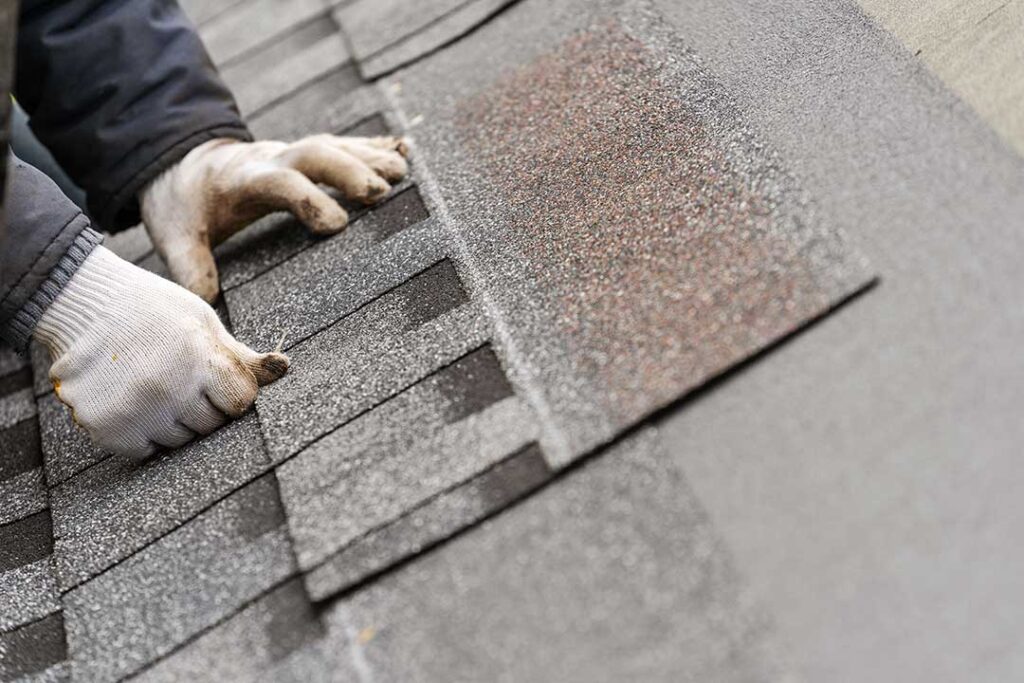
Roof damage rarely stays limited to the original defect. A missing shingle, loose flashing detail, clogged drainage path, or small leak can allow water to reach insulation, framing, ceilings, and electrical components. In Ithaca, NY, repeated snow, rain, wind, freezing temperatures, and seasonal freeze-thaw cycles can make neglected damage worsen faster than many homeowners expect.
What happens if a small roof problem is ignored?
A minor roof defect can become a pathway for water. Once moisture gets beneath the roof covering, it may travel along decking, rafters, insulation, or interior walls before appearing as a ceiling stain. The location of the stain is not always directly below the original leak.
Common examples include:
- A lifted shingle allowing wind-driven rain underneath
- Damaged flashing around a chimney, wall, or roof penetration
- A cracked vent boot allowing water into the attic
- A blocked gutter or downspout causing water to back up at the roof edge
- Exposed or deteriorated underlayment beneath aging shingles
The first visible sign may be a small brown mark, peeling paint, damp insulation, or a musty odor. By that point, the roof assembly may have been exposed to repeated moisture.
Can a roof leak cause structural damage?
Yes. Persistent moisture can weaken roof decking and framing, especially where wood remains damp for extended periods. In severe cases, the affected wood may soften, sag, split, or lose some of its ability to support roof loads.
Structural concerns are more likely when a leak continues through multiple wet seasons or affects a concentrated area. Roof edges, valleys, areas around penetrations, and locations beneath recurring ice buildup deserve particular attention because they can receive repeated moisture.
A sagging ceiling or roof surface should not be treated as a cosmetic issue. It may indicate saturated materials or a compromised support area. People should avoid standing beneath visibly bulging drywall, and attic access should be approached carefully if water, damaged wiring, or unstable flooring is present.
Why are neglected repairs especially risky during winter?
Cold-weather conditions expose weak areas in a roof. Snow adds weight, while wind can lift already-loose materials. Melting snow may also refreeze at colder roof edges, creating ice buildup that obstructs normal drainage.
Freeze-thaw cycles can widen small cracks and openings. Water enters a seam, freezes, expands, and places additional pressure on the surrounding material. Repeated cycles may loosen flashing, split sealants, and enlarge gaps around roof penetrations.
This does not mean every ice formation indicates a roof failure. However, recurring ice buildup combined with stained ceilings, damp insulation, or water entering near the eaves suggests that the roof assembly and attic conditions should be evaluated.
Residents should never climb onto a snowy or icy roof to inspect or remove snow. Slippery surfaces, hidden weak spots, and falling ice create serious hazards.
How does delayed repair affect insulation and energy use?
Wet insulation performs poorly. Fiberglass, cellulose, and other common insulation materials can lose effectiveness when damp, while moisture may remain trapped against roof decking or framing.
A roof leak can also introduce cold air through openings in the roof system. In winter, this may contribute to uneven indoor temperatures and increased heating demand. In summer, damaged insulation and moisture can make upper floors feel hotter and more humid.
Higher energy use is not proof of roof damage by itself. Drafts, ventilation problems, aging windows, and heating-system issues can cause similar symptoms. Still, a sudden change in comfort near the ceiling or attic deserves investigation if it occurs alongside visible roof deterioration.
Can roof leaks create mold or indoor air-quality problems?
Moisture increases the risk of mold growth on wood, insulation, drywall, and other materials. Mold does not require a dramatic flood; repeated small leaks or prolonged condensation may be enough if materials do not dry properly.
A musty smell, dark spotting, damp insulation, or recurring discoloration can indicate that moisture is present even when no active dripping is visible. Mold-related concerns become more complicated when the affected area is large, hidden, or connected to occupied rooms.
Simply painting over a stain does not correct the source. The leak must be stopped, wet materials dried or removed as appropriate, and the affected area assessed for deterioration.
What damage can occur inside the house?
Roof leaks can affect more than ceilings. Water may move into wall cavities, attic floors, closets, light fixtures, and electrical boxes. It can damage paint, plaster, flooring, trim, stored belongings, and insulation.
Electrical hazards deserve special caution. Water near light fixtures, outlets, wiring, or electrical panels can create shock or fire risks. If water is actively entering near electrical equipment, avoid touching the wet fixture or nearby surfaces. Shut off power only if it can be done safely without entering standing water or handling wet equipment.
Interior damage may continue after the rain stops because soaked materials can release trapped moisture for hours or days.
Which warning signs should homeowners take seriously?
Some signs require prompt attention because they suggest active or progressing damage:

- Water dripping from a ceiling or wall
- A spreading ceiling stain
- Bubbling paint or bulging drywall
- Sagging roof decking or ceiling surfaces
- Damp or compressed attic insulation
- Daylight visible through the roof
- Missing, curled, cracked, or displaced shingles
- Loose metal flashing or exposed fasteners
- Persistent musty odors in the attic or upper floors
- Granules collecting heavily in gutters or at downspouts
A single loose shingle may be repairable without broader damage, but it should not be assumed to be harmless. Wind and rain can reach the underlying layers quickly, particularly on exposed roof slopes.
Are roof repairs still necessary if the roof is old?
Age alone does not determine whether a roof needs repair or replacement. An older roof with sound materials and no active leaks may continue performing adequately, while a newer roof can develop problems from storm damage, installation defects, poor ventilation, or damaged flashing.
The more useful questions are whether the roof is shedding water, whether its supporting materials remain sound, and whether the same defect keeps returning. Repeated patching in one area may signal a drainage, flashing, ventilation, or slope-related problem rather than a simple surface defect.
Maintaining records of leaks, repairs, storm events, and interior staining can help identify patterns over time.
What should be done after discovering a leak?
First, protect people and belongings. Place containers beneath active drips, move furniture away from the affected area, and keep clear of sagging ceilings or wet electrical fixtures. Photograph visible damage from a safe location, both inside and outside if conditions permit.
Temporary measures can reduce additional water entry, but they are not a permanent repair. Tarps, sealants, and interior patches may fail under wind, snow, or continued rainfall. Roof access should be left to trained personnel when surfaces are steep, wet, icy, or structurally questionable.
Building work that affects roof structure, insulation, ventilation, or other regulated components may also need to follow applicable New York State requirements. Local code requirements can vary according to the scope of work and the type of property.
The central risk of postponement is not merely a larger repair bill. Continued moisture can affect structural materials, indoor air quality, insulation, electrical systems, and personal belongings. Prompt attention helps limit the area exposed to water and makes it easier to distinguish a contained repair from a broader building problem.
