
Strong winds can damage a roof even when shingles are not visibly missing. Gusts may loosen roofing materials, lift flashing, break tree limbs, push debris beneath shingle edges, or expose weak areas that later allow water into the building.
For households in Ithaca, wind damage can be especially concerning during thunderstorms, fast-moving cold fronts, winter storms, and periods when saturated ground makes trees more vulnerable to falling. A roof may appear intact from the yard while still having damage that needs attention.
What parts of a roof are most vulnerable to severe wind?
The most vulnerable areas are roof edges, corners, ridges, penetrations, and older sections where materials have already weakened.
Wind does not strike every part of a roof with equal force. Airflow changes direction as it moves over the roof surface, creating greater lifting pressure near:
- Eaves and rake edges
- Roof corners
- Ridge caps
- Valleys
- Dormers and other changes in roof shape
- Plumbing vents, chimneys, and skylights
- Areas around loose or deteriorated flashing
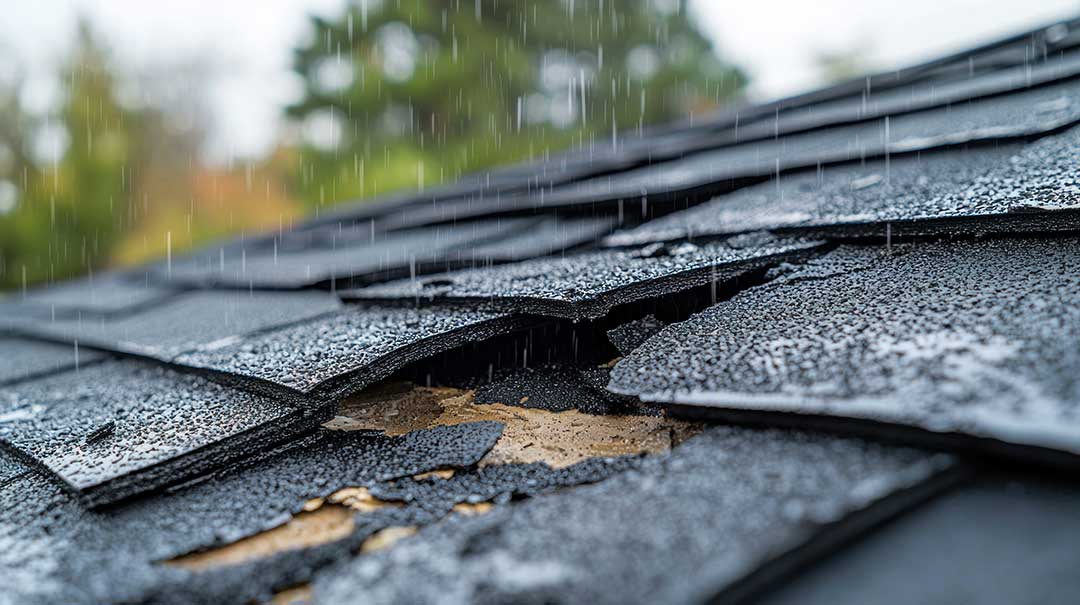
Shingles at the perimeter can begin to lift before damage is noticeable across the main roof field. Once a shingle edge bends upward, repeated gusts can break the seal underneath it. This may allow water to move below neighboring shingles even if the shingle remains attached.
Older roofs, roofs with brittle materials, and roofs that have experienced repeated freeze-thaw cycles may be more susceptible to wind-related problems. Wind resistance also depends on proper installation, fastening, roof design, and the condition of the underlying decking.
Can wind damage a roof without removing shingles?
Yes. Wind can cause hidden damage without leaving a bare spot or a pile of shingles on the ground.
A gust may partially lift a shingle, weaken its adhesive strip, or pull against its fasteners without tearing the material away. The shingle can settle back into place afterward, making the problem difficult to see from ground level.
Other less obvious forms of wind damage include:
- Cracked or creased shingles
- Raised shingle corners
- Exposed nail heads
- Lifted ridge caps
- Bent or displaced flashing
- Damaged vent covers
- Gaps around chimneys or roof penetrations
- Small punctures from airborne branches
- Loose gutters or downspouts
Water intrusion may not appear immediately. A leak can develop during the next heavy rain, after snow melts, or when wind-driven rain is forced beneath a damaged area. Stains on ceilings or upper walls may therefore occur days after the original storm.
How does wind-driven rain affect homes in Ithaca?
Wind-driven rain can enter through openings that ordinary rainfall would not reach. Strong gusts push water sideways and upward, increasing the chance that it will move beneath lifted shingles, through loose flashing, or around poorly sealed penetrations.
This matters during thunderstorms and transitional weather, when heavy rain may arrive at the same time as sudden wind. In winter, wind-driven moisture can also reach vulnerable roof edges and contribute to ice buildup when temperatures later fall below freezing.
Signs that wind-driven rain may have entered include:
- New ceiling or wall discoloration
- Damp insulation in an attic
- Dripping near chimneys, vents, or skylights
- Musty odors
- Peeling paint near upper walls
- Wet rafters or roof decking
- Water appearing only during storms with strong wind
A leak that appears in one room does not always originate directly above that room. Water can travel along roof decking, rafters, insulation, or framing before becoming visible indoors.
What should residents check after a high-wind storm?
A ground-level inspection is a reasonable first step, but it should not involve climbing onto the roof. Look from the yard, windows, or another safe location for changes that were not present before the storm.
Useful observations include:
- Shingles on the ground or in gutters
- Uneven rows or lifted tabs
- Missing ridge-cap pieces
- Torn or hanging flashing
- Sagging gutters
- Fallen branches or broken limbs
- Debris lodged on the roof
- Damaged vents or chimney covers
- New water stains inside the building
- Daylight visible through the attic roof deck
The attic can provide additional information if it can be entered safely. During daylight, look for water marks, damp wood, damaged insulation, or small points of light. Avoid touching wet electrical components, standing on unstable surfaces, or walking across areas without proper flooring.
Photographs from the ground can help document conditions and compare the roof before and after a storm. It is also useful to record the date of the weather event and when any interior signs first appeared.
Are fallen trees and branches the main source of wind damage?
No. Falling trees and branches can cause severe damage, but many roof problems result from wind pressure alone.
A large limb may puncture shingles, break decking, damage rafters, or strike a chimney. Smaller branches and twigs can scrape the surface, block gutters, or become lodged beneath shingle edges. However, high winds may also lift materials without any object making contact.
Trees near a home deserve particular attention after storms. Saturated soil, frozen ground, root damage, decay, and repeated wind exposure can affect tree stability. If a tree or large branch is resting on the roof, keep people away from the area and avoid entering rooms beneath the damaged section until the structure has been evaluated for safety.
How do winter winds affect roofing materials?
Winter wind combines with cold temperatures, snow, ice, and rapid weather changes. These conditions can make roof damage harder to see and may increase the consequences of a small opening.
Cold weather can make some roofing materials less flexible. Snow may conceal missing shingles, while ice can cover flashing defects or block visual inspection. Strong wind can also move snow toward roof edges, vents, valleys, and areas where drifting commonly occurs.
After a winter storm, watch for:
- Snow or ice inside the attic
- Icicles associated with unusual roof-edge buildup
- Water stains that appear during a thaw
- Loose metal flashing
- Damaged vent covers
- Branches resting on the roof
- Gutter sections pulled away from the building
Do not chip away ice with tools or climb onto a snow-covered roof. Both the surface and the supporting structure may be slippery or unstable.
When is roof damage a safety concern?
Roof damage requires urgent attention when there is an active leak, a large opening, sagging structure, exposed electrical equipment, a fallen tree, or debris that could fall. Strong odors, visible mold growth, or wet insulation can also indicate that water has entered areas that need prompt drying.
People should stay clear of roof sections that appear unstable. Roof access is particularly hazardous after wind because surfaces may be wet, materials may be loose, and hidden damage can affect where a person can safely step.
Temporary measures may help limit additional water entry, but they should only be attempted from a safe location and without climbing onto the roof during dangerous weather. A tarp, bucket, or interior protection can reduce immediate damage in some situations, but these measures do not repair the underlying roof assembly.
Does wind damage mean the entire roof must be replaced?
No. Wind damage can range from a few displaced shingles to widespread failure of the roof covering or supporting structure. The appropriate response depends on the extent, age, condition, and design of the roof.
Localized repairs may be suitable when damage is limited and surrounding materials remain sound. More extensive work may be necessary when wind has affected large areas, weakened the roof deck, damaged flashing throughout the roof, or exposed long-standing deterioration.
A careful evaluation should distinguish storm-related damage from pre-existing wear. Curling, brittleness, granule loss, old leaks, and deteriorated sealant may have developed before the wind event. Understanding that difference helps property owners make practical decisions and avoid confusing a small repair with a structural problem.
For local households, the most useful habit is a safe post-storm check from the ground, followed by prompt attention to visible openings, interior moisture, fallen debris, or signs that the roof has changed shape. Early detection can prevent a wind-damaged roof from becoming a larger water or structural problem during the next storm.
