
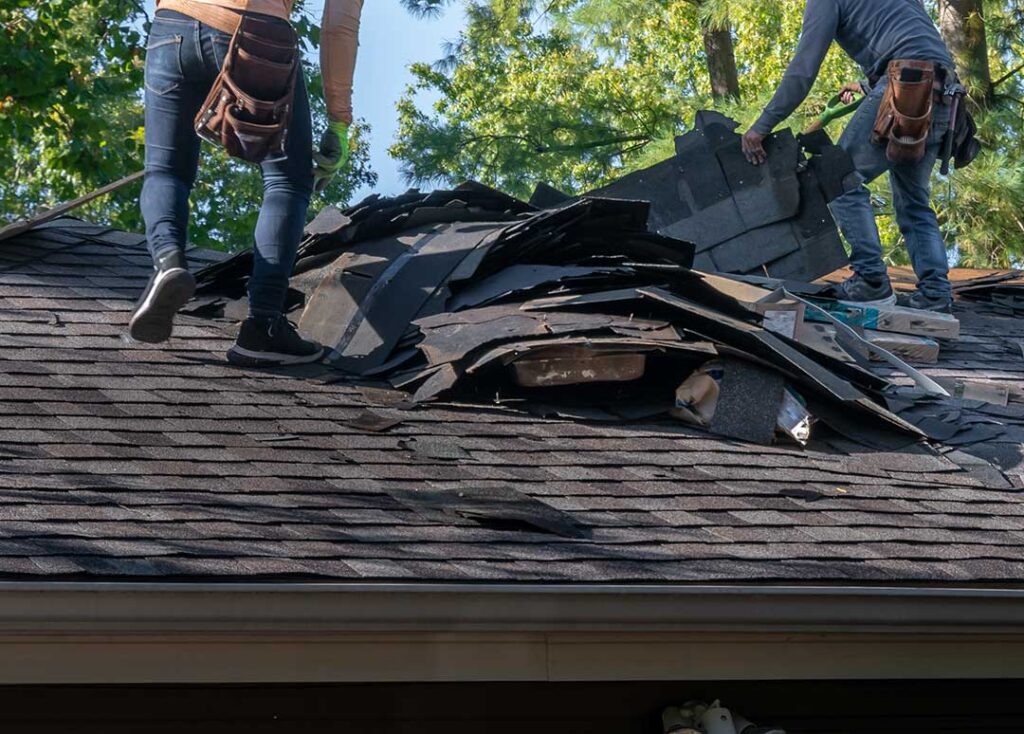
Roofing projects are easier to understand when viewed as a sequence of decisions and inspections rather than a single installation day. In Ithaca, NY, the process often has to account for snow, freeze-thaw cycles, heavy rain, older housing stock, and roof designs that have been repaired or changed over many years.
What happens before a roofing project begins?
The process starts with evaluating the existing roof, not choosing a shingle color. A proper evaluation considers the roof covering, flashing, drainage, ventilation, structural condition, and signs of water entry.
A roof may need replacement because of widespread wear, repeated leaks, exposed underlayment, damaged decking, or age. However, a localized problem does not always mean the entire roof must be removed. A careful assessment helps distinguish between:
- A small repair
- Replacement of flashing or a roof penetration
- Partial roof replacement
- Full removal and replacement
- Structural or moisture-related work beneath the roof covering
The interior of the building should also be checked. Water stains on ceilings or walls can show that moisture has entered, but the visible stain may not be directly below the actual leak. Water can travel along rafters, roof decking, insulation, or framing before appearing indoors.
Attics are especially useful during an inspection. Damp insulation, darkened wood, rusted fasteners, mold-like growth, or daylight visible through the roof deck may indicate problems that cannot be seen from the ground.
How is the roof replacement scope determined?
The scope depends on what is found after the existing roof covering is removed or closely examined. A roof that appears acceptable from the outside may have damaged sheathing underneath, particularly around chimneys, valleys, plumbing vents, skylights, eaves, and areas where ice or wind-driven rain has caused repeated exposure.
A typical scope may address:
- Removal of old roofing materials
- Inspection of roof decking
- Replacement of deteriorated sheathing
- Installation of underlayment and ice protection
- New flashing at walls, valleys, chimneys, and penetrations
- Installation of the selected roof covering
- Ridge, soffit, or other ventilation components
- Cleanup and disposal of removed material
The number of existing roof layers also matters. Adding another layer over an old roof can conceal damaged decking, increase weight, and make flashing details more difficult. Whether an additional layer is allowed depends on the roof condition, material, slope, and applicable code requirements.
Why are underlayment and ice barriers important?
The outer roof covering is only one part of a roof system. Underlayment provides a secondary layer of protection beneath shingles or other coverings, while ice-barrier materials help limit water intrusion when ice builds up along eaves.
Freeze-thaw conditions are a practical concern for local homes. Snow can melt during warmer periods, then refreeze near colder roof edges. If water backs up beneath the roof covering, it may enter around fasteners, seams, or roof edges.
New York residential code includes requirements for ice barriers in areas with a history of ice forming along eaves and causing water backup. These barriers generally extend upward from the lower roof edge to provide protection inside the exterior wall line.
This does not mean ice barriers eliminate every winter roofing problem. Adequate attic insulation, air sealing, drainage, and ventilation also affect how much heat reaches the underside of the roof. Roof-edge protection and attic conditions should be considered together.
What role does roof ventilation play?
Roof ventilation helps manage heat and moisture in the attic. A common arrangement uses intake ventilation near the eaves and exhaust ventilation near the ridge or upper roof area. The goal is to allow air to move through the intended ventilation path without creating openings that permit rain or snow intrusion.
Poor ventilation can contribute to:
- Condensation on roof framing and fasteners
- Damp insulation
- Premature deterioration of decking
- Uneven roof temperatures
- Ice buildup in some conditions
More ventilation is not automatically better. Intake and exhaust openings need to work as a balanced system, and insulation must not block the air channel above the insulation. Older homes may have limited soffit ventilation, unusual attic layouts, or additions that interrupt airflow.
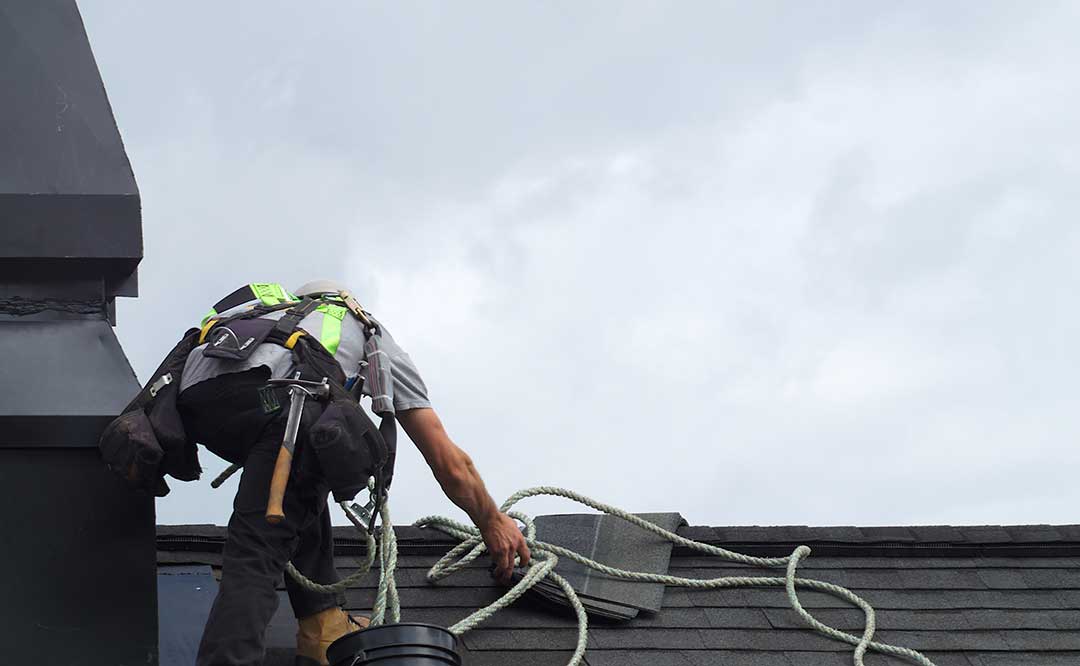
What happens on installation day?
The work usually begins with protecting nearby walls, windows, landscaping, walkways, and outdoor equipment. Roofing removal can produce falling debris, dust, and loose fasteners, so the work area must be managed carefully.
After removal, the roof deck is examined. Damaged sections may be replaced before new materials are installed. This step is one reason a final roof condition cannot always be confirmed from an initial visual inspection alone.
Installation generally proceeds from the lower roof edges upward. Underlayment, flashing, and roof coverings are placed in an order that directs water over—not behind or beneath—the layers below. Valleys, wall intersections, chimneys, vents, skylights, and roof-to-wall transitions require particular attention because they interrupt the main drainage plane.
Fastener placement also matters. Nails or other approved fasteners must be located correctly for the selected material, roof slope, and manufacturer requirements. Improper fastening can contribute to wind damage, loose materials, and water entry.
How do weather and seasonal timing affect the work?
Roofing materials and installation methods have temperature and weather limitations. Rain can delay work, while wind can make material handling unsafe and interfere with proper installation. Cold temperatures may affect the sealing of some asphalt-based products, and snow or ice must be removed before work begins.
For this reason, a project planned during a dry, moderate-weather period may progress more predictably than one attempted during unstable conditions. However, scheduling alone cannot guarantee uninterrupted work in a climate with rapidly changing weather.
Homeowners should also expect temporary changes to the property during active work. Driveways, porches, gardens, and attic spaces may need to remain clear, and vibration or daytime noise may occur while materials are removed and installed.
What should be checked after the roof is installed?
A final review should confirm that the roof drains properly, flashing is present where needed, exposed fasteners are addressed, and roof penetrations are sealed according to the system design. Gutters and downspouts should be checked for debris and proper connection.
The attic and upper floors should also be observed after the first significant rainfall. New stains, damp insulation, musty odors, or visible dripping may indicate a problem requiring prompt investigation.
Roofing debris can remain in grass, gravel, gutters, or around foundations even after the main cleanup. A magnetic sweep is commonly used to find loose metal fasteners, although it may not collect every piece of debris.
Documentation is useful for future maintenance. Keep records of the installation date, materials used, repaired decking, ventilation changes, flashing work, and any photographs taken during construction. These details can help explain the roof’s history when later repairs or renovations are considered.
Which roofing problems need immediate attention?
Some conditions should not wait for routine maintenance:
- Active water entering the living area
- A sagging roof surface or ceiling
- Large sections of missing or displaced material
- Exposed roof decking
- A damaged chimney or roof-wall intersection
- Ice or snow creating a dangerous load or falling hazard
- Electrical equipment affected by water
Roof work becomes hazardous when surfaces are icy, steep, unstable, or near electrical lines. Structural concerns, major leaks, and work requiring access to elevated or damaged areas may require qualified assistance for safety and code compliance.
Understanding the sequence—from inspection and scope definition through deck repair, weather protection, installation, and final review—makes it easier to recognize what a complete roofing process should address. The visible roof covering is only the outer layer; long-term performance also depends on flashing, drainage, ventilation, underlayment, and the condition of the structure beneath it.
