
What do curling and cracked shingles mean?
Curling and cracking are signs that asphalt shingles are losing their ability to protect the roof. A curled shingle may lift at the corners or edges, while a cracked shingle may show splits running through the surface or along the fiberglass mat.
Neither problem should be ignored. A few damaged shingles may be repairable, but widespread curling or cracking often indicates that the roof is aging, has experienced repeated weather stress, or was affected by installation or ventilation problems.
Why do roof shingles curl?
Shingles usually curl because the asphalt and reinforcement materials have dried out, weakened, or moved over time. Common causes include:
- Natural aging and loss of flexibility
- Repeated heating and cooling
- Poor attic ventilation
- Improper fastening
- Shingles installed over an uneven surface
- Manufacturing defects
- Wind lifting or loosening shingle edges
- Moisture entering beneath the roofing layers
Curling can occur in two directions. “Clawing” happens when the edges turn upward, while “cupping” occurs when the middle of the shingle appears lower than the edges. Both conditions can allow wind-driven rain to move beneath the shingles.
In Ithaca, seasonal temperature changes can place added stress on roofing materials. Shingles may expand during warm weather, contract during cold weather, and repeatedly move through freezing and thawing conditions. Snow, ice, rain, and strong winds can worsen existing weakness.
What causes shingles to crack?
Cracking commonly develops when shingles become brittle. As asphalt loses flexibility, the surface may split from repeated movement or impact.
There are two patterns worth distinguishing:
- Surface cracking: Fine lines appear in the shingle coating. These may begin as minor weathering but can grow over time.
- Deep or split cracking: Cracks extend through much of the shingle and may expose the underlying mat. These are more likely to permit water entry.
Thermal movement is a frequent contributor. A roof surface can become much warmer than the surrounding air in sunlight, then cool quickly after sunset or during a storm. Repeated expansion and contraction can enlarge small cracks.
Hail, falling branches, foot traffic, and snow-removal activity can also damage shingles. A crack does not always mean the entire roof is failing, but multiple cracks across several areas deserve closer attention.
Can a curled or cracked shingle be repaired?
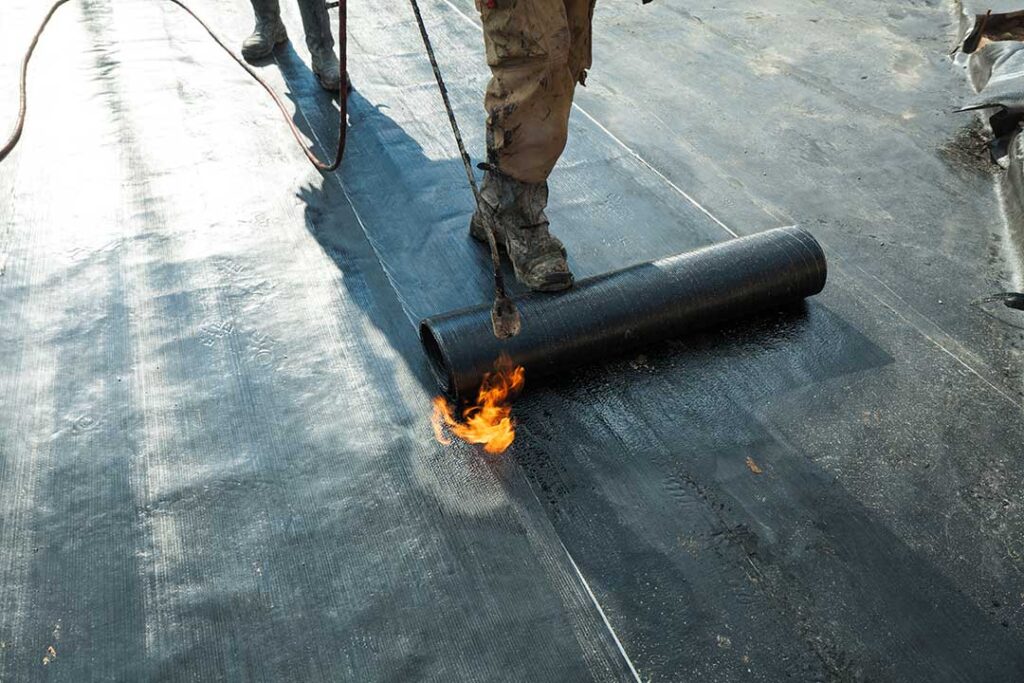
A small number of damaged shingles can sometimes be replaced without replacing the whole roof. A suitable repair generally involves removing the affected shingle carefully, checking the underlayment and roof deck, and installing a matching replacement with proper fasteners and sealant.
Surface-level repairs are less dependable when shingles are brittle or extensively curled. Adhesive may temporarily hold down a lifted edge, but it does not restore the shingle’s flexibility or repair damage underneath.
Matching can also be difficult on an older roof. Replacement shingles may differ in color because the existing shingles have weathered and faded. A visible color difference is mostly cosmetic, but it can help reveal that the roof has reached an age where isolated repairs may become less practical.
When does curling or cracking indicate a larger roof problem?
The number, location, and severity of damaged shingles matter more than a single defect.
A broader roof evaluation is warranted when:
- Curling or cracking appears on multiple slopes
- Shingles are missing, loose, or losing their protective granules
- There are dark stains or damp areas in the attic
- Water marks appear on ceilings or upper walls
- Flashing around chimneys, skylights, or roof edges is deteriorating
- The roof has experienced repeated leaks
- Shingles are brittle enough to break during light handling
- The roof is near or beyond its expected service life
Damage concentrated along one edge may point to wind exposure or installation problems. Damage throughout the roof surface is more consistent with aging, material deterioration, or ventilation-related stress.
How can homeowners inspect the roof safely?
A ground-level inspection is often enough to identify warning signs. Look for uneven rows, raised corners, missing granules in gutters, exposed dark patches, and shingles that appear fractured or displaced.
Use binoculars rather than climbing onto the roof. Walking on brittle asphalt shingles can break them, and wet, icy, or moss-covered surfaces are especially hazardous. Ladders also create fall risks, particularly around sloped ground, snow, and frozen surfaces.
From inside the attic, check for daylight around roof penetrations, damp insulation, rusted nails, water staining, or a musty odor. Moisture may travel along rafters before appearing directly below the exterior leak, so the indoor stain may not identify the exact entry point.
How does attic ventilation affect shingle damage?
Poor attic ventilation can contribute to premature shingle deterioration by allowing heat and moisture to accumulate beneath the roof. Excess heat may accelerate aging, while trapped moisture can damage wood framing and insulation.
Effective ventilation usually depends on balanced intake and exhaust openings. Blocking soffit vents with insulation, adding exhaust openings without adequate intake, or covering vents with debris can interfere with airflow.
Ventilation is only one possible cause. Improving airflow will not reverse shingles that are already curled or cracked, but it may reduce stress on replacement materials and help control attic moisture.
What should be done after discovering damaged shingles?
First, document the condition with photographs from the ground and from safe attic areas. Note the approximate location of damaged shingles, any interior staining, and whether the problem appeared after a storm.
If rain is entering, place a container beneath the drip and move belongings away from the affected area. Do not rely on interior patching as a permanent roof repair. Avoid climbing onto the roof to cover it during wet, icy, or windy conditions.
A temporary covering may be appropriate in an emergency, but it must be installed securely and without creating additional damage. Loose plastic, unsecured tarps, or objects placed on shingles can increase wind damage and allow more water beneath the roofing system.
Can roof maintenance prevent curling and cracking?
Maintenance cannot stop normal aging, but it can help identify conditions that shorten shingle life. Keep gutters and downspouts clear, trim branches that rub against the roof, and watch for moss or debris that keeps shingles damp.
After major wind, hail, or heavy snow, inspect the ground and attic for signs of damage. Pay special attention to roof valleys, eaves, rakes, flashing, and areas around vents, because water and wind often exploit these vulnerable locations first.
Do not pressure-wash asphalt shingles or scrape them aggressively. Harsh cleaning can remove protective granules and make the surface more vulnerable to weather.
In a cold-climate community, prompt attention is useful because a small opening may allow water to enter, freeze, expand, and enlarge the damaged area. Addressing the cause—not just pressing down a curled edge—offers the most reliable path to preventing repeat problems.
