
Green roofs—also called living roofs or vegetated roofs—replace some conventional roofing materials with waterproofing, drainage layers, growing medium, and plants. They can reduce stormwater runoff, moderate roof temperatures, and add habitat, but they are not automatically the most practical choice for every home.
For residents in Ithaca, NY, the decision depends on roof structure, slope, winter exposure, maintenance expectations, budget, and how long the property is likely to be occupied. A green roof can be worthwhile, especially on a suitable low-slope roof, but it should be treated as a specialized roof system rather than a simple landscaping project.
What is a green roof?
A green roof is a roof assembly designed to support vegetation above a waterproof membrane. A typical system includes:
- A structural roof deck
- Waterproofing and root-resistant protection
- A drainage layer
- Filter fabric
- Lightweight growing medium
- Drought-tolerant plants
- Edge restraints, inspection areas, and drainage points
Most residential green roofs are either extensive or intensive.
An extensive green roof uses a relatively shallow layer of growing medium and low-maintenance plants such as sedums, mosses, and other hardy ground covers. It is lighter and less demanding than a garden-style roof, although it still requires periodic inspection.
An intensive green roof has deeper soil and may support grasses, perennials, shrubs, or even small trees. These systems are much heavier and more complex. They may function like rooftop gardens, but they require stronger structural support, more irrigation, and more regular maintenance.
For most homes, an extensive system is the more realistic option.
What benefits can a green roof provide?
The clearest benefits are stormwater management, summer heat reduction, and environmental value.
Vegetation and growing medium temporarily hold rainfall, allowing some water to evaporate or be absorbed before it reaches gutters and downspouts. This can reduce the amount and speed of runoff during rain events. The effect varies with soil depth, plant coverage, roof area, rainfall intensity, and how saturated the system already is.
A green roof can also protect the waterproofing membrane from direct sunlight and temperature swings. That may help extend the membrane’s service life, although the roof still needs proper detailing and inspection. Vegetated surfaces are cooler than exposed dark roofing during sunny weather, which can reduce heat transfer into upper-floor spaces.
Other possible benefits include:
- Improved rooftop habitat for insects and pollinators
- Reduced glare from exposed roofing
- A more visually appealing view from upper windows
- Some noise reduction from the layered roof assembly
- Reduced demand on stormwater infrastructure during moderate rain
These advantages are usually more noticeable on larger buildings, flat-roofed additions, garages, multifamily structures, and urban properties than on small, steeply pitched houses.
Are green roofs suitable for Ithaca’s climate?
They can be, but winter conditions make design and maintenance especially important. Ithaca receives substantial annual precipitation and regular snowfall, along with freeze-thaw cycles, wind, ice, and periods of saturated soil.
Cold weather does not automatically rule out a green roof. Many hardy plants can survive winter dormancy when the system is properly designed. The larger concerns are structural weight, drainage, membrane protection, snow accumulation, and access for inspection.
A saturated green roof weighs more than a dry one. Snow and ice add another temporary load, sometimes significantly. The roof structure must be evaluated for the combined weight of the roof assembly, retained water, snow, equipment, and people who may need access.
Drainage is also critical. Water that remains trapped beneath the growing medium can contribute to membrane problems, plant loss, ice formation, and excess weight. Drains, scuppers, overflow routes, and inspection chambers should remain accessible throughout the year.
Which homes are the best candidates?
Low-slope and nearly flat roofs are generally better candidates because they can support growing medium without extensive measures to prevent sliding. Flat-roofed additions, porches, garages, and modern homes may offer suitable roof geometry.
A steeply pitched roof is more difficult. It may require structural grids, erosion controls, specialized restraints, and careful plant selection. A conventional sloped roof may gain more from reflective roofing, improved insulation, solar equipment, or properly managed gutters than from a vegetated system.
A property may be a stronger candidate if:
- The roof is structurally sound or being rebuilt
- The roof has easy and safe access for inspection
- Drainage paths can be kept clear
- The owner expects to remain in the property for many years
- The roof design allows appropriate edge protection and maintenance access
- Stormwater management is a meaningful concern
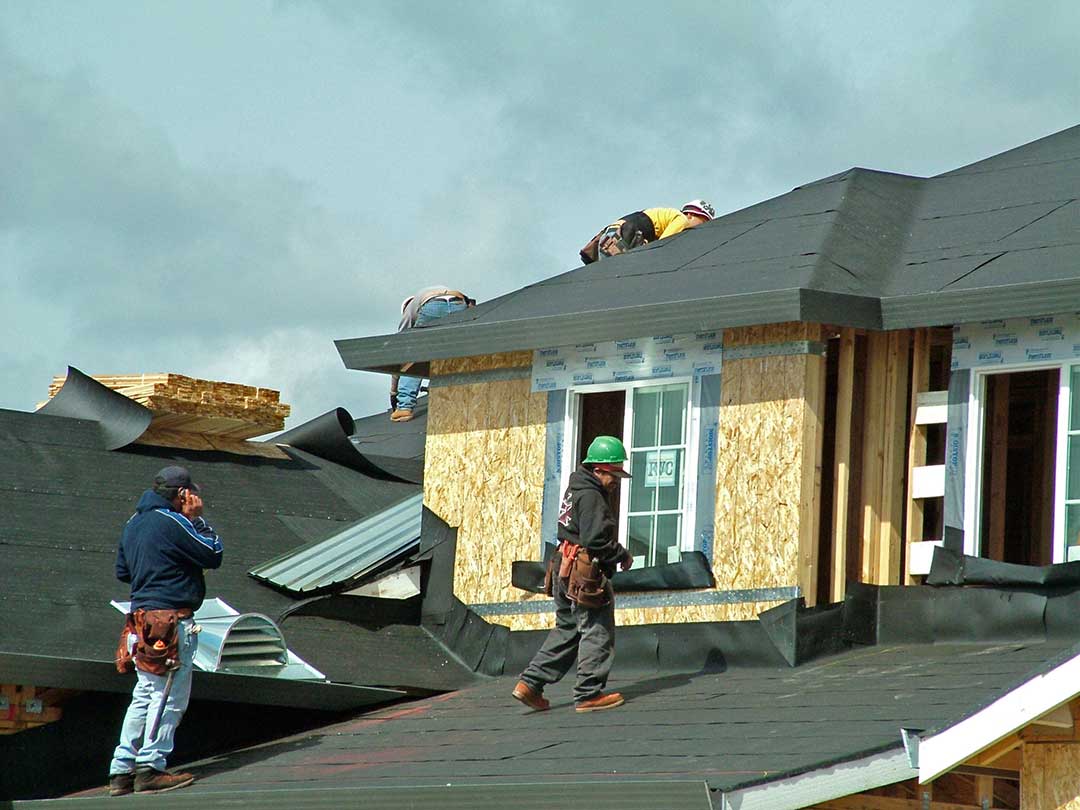
A roof with leaks, sagging, damaged sheathing, poor drainage, or uncertain structural capacity is not a good foundation for a green roof until those conditions are addressed.
What are the main drawbacks?
The largest drawbacks are cost, weight, complexity, and maintenance.
A green roof usually costs more to install than a conventional roof because it includes additional layers, structural considerations, drainage components, edge details, and planting. If the existing roof cannot support the added load, reinforcement may be required.
Maintenance is lower than that of a rooftop garden, but it is not zero. Plants may need occasional watering during establishment or drought. Drainage outlets and inspection areas need to be checked. Unwanted weeds, invasive growth, wind erosion, dead vegetation, and exposed membrane areas should be addressed before they become larger problems.
Access can be difficult during winter. Snow should not be piled against vulnerable roof edges, drains, skylights, vents, or mechanical equipment. Ice and wet surfaces also create fall hazards.
Another common misconception is that plants eliminate the need for roof repairs. They do not. Leaks still need to be located and repaired, and repairs may be more disruptive when vegetation and growing medium must be moved.
Does a green roof reduce heating and cooling costs?
Usually, the energy savings are modest for a typical home and should not be the sole reason for installation.
A green roof can reduce summer heat entering through the roof, particularly beneath a low-slope roof with limited attic ventilation or insulation. In winter, however, the vegetation layer should not be viewed as a substitute for properly installed insulation and air sealing.
For many households, improvements to insulation, ventilation, air sealing, and moisture control provide more predictable energy benefits. A green roof may complement those measures, but it does not correct an underinsulated or poorly ventilated roof assembly by itself.
What should be checked before choosing one?
Before selecting a vegetated roof, the following questions should be answered:
- Can the roof structure support saturated growing medium and snow?
- Is the roof slope appropriate for the proposed system?
- Where will excess water go during heavy rain?
- Can drains, flashings, vents, skylights, and edges remain accessible?
- How will the roof be inspected after storms and during spring thaw?
- Are local building-code, permit, fire-access, and structural requirements applicable?
- Will the roof still be practical if the property changes hands?
- Is the environmental benefit large enough to justify the added complexity?
Local code requirements can apply to structural design, roof assemblies, drainage, fire safety, and construction permits. Requirements may differ depending on whether the property is within the city, in a rural setting, part of a multifamily development, or undergoing a major renovation.
So, are green roofs worth it?
A green roof is most likely to be worth the investment when stormwater control, rooftop habitat, heat reduction, or long-term membrane protection are high priorities—and when the building is already suited to the added weight and maintenance.
For a small home with a steep roof, limited access, or uncertain structural capacity, a green roof may not provide enough benefit to justify the complexity. For a low-slope addition, garage, multifamily building, or new construction project designed around the system from the beginning, it may be a sensible long-term option.
The practical answer is not simply “yes” or “no.” In Ithaca, the strongest candidates are roofs designed for winter loading, dependable drainage, safe access, and realistic year-round maintenance. A green roof works best when it is planned as part of the entire roof system—not added afterward as a decorative layer.
