
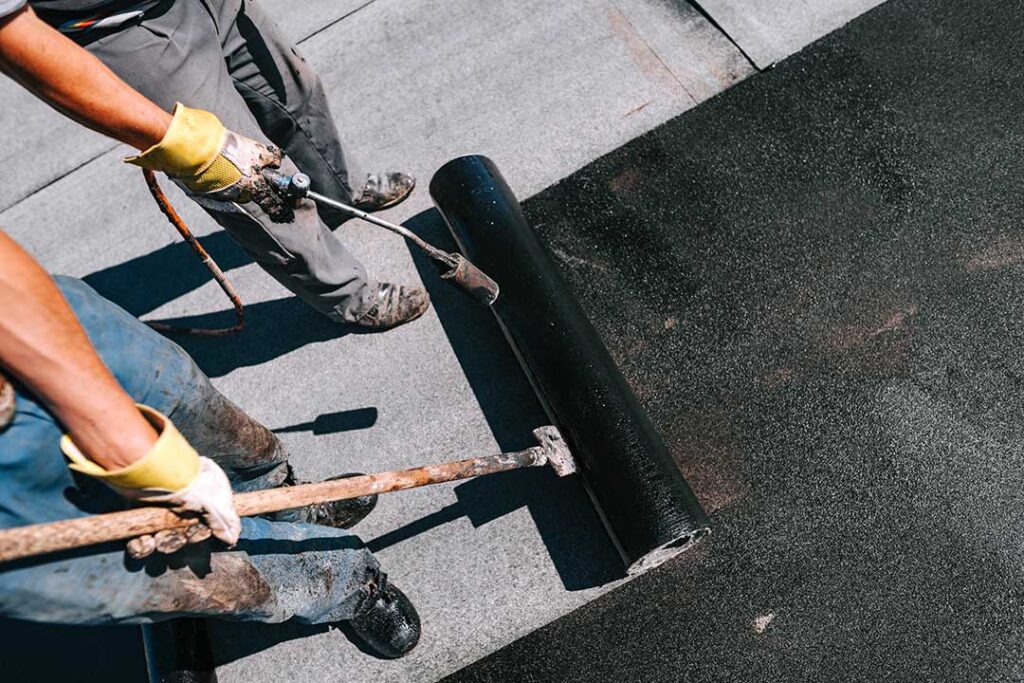
Humidity is water vapor in the air, and it can affect roofing materials even when there is no visible leak. In Ithaca, NY, changing seasons, damp weather, snow, freezing temperatures, and moisture produced inside homes can all contribute to roof-related problems.
The most serious damage often develops gradually. Repeated exposure to humid air can encourage condensation, wood decay, corrosion, mold growth, shingle distortion, and loss of insulation performance.
How does humidity reach the roof?
Humidity reaches roofing materials from both outside and inside the home. Outdoor air carries moisture during rainy periods, cloudy weather, and mild summer conditions. Indoor air can also move into the attic through small openings around ceiling fixtures, plumbing pipes, attic hatches, chimneys, recessed lights, and ductwork.
Warm air can hold more water vapor than cold air. When warm, humid air reaches a cold roof deck or metal surface, the vapor may condense into liquid water. This is similar to water forming on the outside of a cold glass.
Common indoor sources of moisture include:
- Showers and baths
- Cooking and dishwashing
- Drying clothes indoors
- Unvented clothes dryers
- Large numbers of houseplants
- Basement moisture
- Air leakage from the living space into the attic
Bathroom fans, kitchen exhaust systems, and clothes dryers should discharge outdoors rather than into an attic or roof cavity. Venting moist air into these spaces can create persistent condensation even when the roof covering appears intact.
What happens to asphalt shingles?
Asphalt shingles can tolerate normal changes in humidity, but repeated wetting and drying may shorten their service life. Moisture can enter the shingle surface, underlayment, or roof deck through weather exposure, damaged seal strips, exposed fasteners, or poorly detailed edges.
Humidity-related concerns include:
- Curling, buckling, or distortion when moisture moves through the roof assembly
- Loss of adhesion in areas that remain damp
- Granule loss after repeated expansion and contraction
- Algae or moss growth in shaded, damp locations
- Deterioration of the roof deck beneath otherwise ordinary-looking shingles
A small amount of surface discoloration does not always mean a roof is failing. However, persistent moss, soft areas, lifted shingles, or damp attic insulation deserve attention because they may indicate that moisture is remaining in the assembly.
Humidity itself is not the same as a roof leak. A leak usually allows liquid water to enter at a specific location. Humidity-related damage may appear more broadly, especially around the underside of the roof deck, fasteners, eaves, and poorly ventilated areas.
How are wood roofs and roof framing affected?
Wood is especially responsive to moisture. It absorbs water vapor from humid air and releases it as conditions dry. Repeated cycles can cause swelling, shrinking, splitting, warping, and gradual loss of strength.
Wood shingles, shakes, roof decking, rafters, and roof trim can all be affected. The highest-risk locations often include shaded roof slopes, valleys, eaves, areas near blocked ventilation paths, and places where snow or leaves remain for long periods.
Decay usually requires sustained moisture rather than a single humid day. If wood remains damp for extended periods, fungi can break down the material. Warning signs include a musty odor, dark staining, softness when gently tested from a safe location, peeling paint on roof-edge trim, and visible fungal growth.
Wood framing may also become vulnerable around roof penetrations, such as chimneys, skylights, plumbing vents, and attic additions. These locations can experience both air leakage and water leakage, making careful diagnosis necessary.
Can humidity corrode metal roofing?
Yes. Metal roofing is not damaged by humidity in the same way as wood, but moisture can promote corrosion when protective coatings are damaged or when water remains trapped against the metal.
Risk increases when:
- Scratches or cut edges expose bare metal
- Fasteners are loose, damaged, or made from incompatible materials
- Leaves and debris hold moisture against the surface
- Condensation forms on the underside of the panels
- Dissimilar metals come into contact
- Salt or chemical contaminants are present
Metal roofs can also experience condensation below the panels. If warm, moist air reaches the cooler underside of the metal, water may form and drip onto insulation or roof framing. This can be mistaken for a roof leak, particularly during temperature swings.
Proper underlayment, air sealing, insulation, and assembly design help control this risk. Simply adding more vents does not correct every condensation problem.
What about rubber and membrane roofing?
Low-slope roofs covered with rubber or other membrane materials can be affected by humidity mainly through seams, insulation, adhesives, and the roof deck below. The membrane may remain visibly intact while moisture becomes trapped beneath it.
Trapped moisture can lead to:
- Blistering or bubbling
- Separation at seams
- Wet insulation
- Rotting roof decking
- Reduced insulation performance
- Freeze-thaw damage when trapped water expands
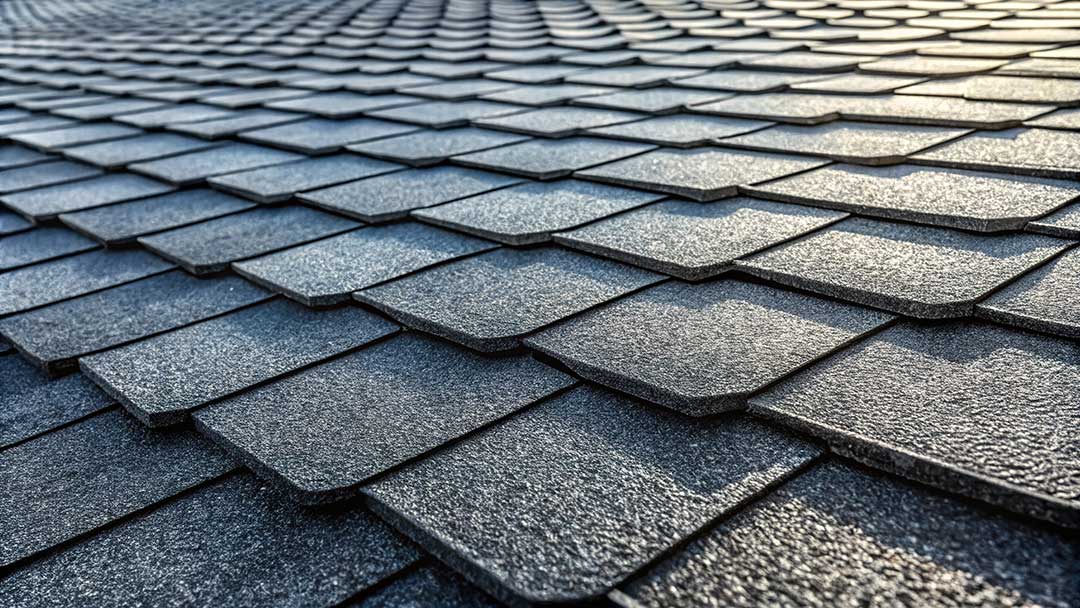
Ponding water is a separate but related concern. Areas that remain wet after rainfall expose the roof to longer periods of moisture and may increase the chance of seam deterioration. Poor drainage, clogged roof drains, and uneven decking can make the problem worse.
Why winter humidity matters in Ithaca homes
Cold-weather indoor humidity can create roof problems even when outdoor air feels dry. During winter, warm household air tends to rise. If it escapes through gaps in the ceiling plane, it can reach cold attic surfaces and condense.
This is especially relevant in older homes, homes with additions, and houses with complicated rooflines. Snow cover can keep roof surfaces cold for long periods, while indoor activities continue adding moisture below.
Helpful winter practices include:
- Use bathroom exhaust fans during bathing and for a short period afterward.
- Operate kitchen ventilation while cooking.
- Keep attic access panels insulated and weather-stripped.
- Make sure insulation does not block soffit ventilation paths.
- Check that exhaust ducts terminate outdoors.
- Avoid drying large amounts of laundry in unventilated rooms.
- Watch for frost or water staining on the underside of the roof deck.
Relative humidity readings inside the home can provide useful clues, but the appropriate level depends on temperature, insulation, windows, and building design. Excessively dry air is uncomfortable, while excessive winter humidity increases condensation risk.
Does better attic ventilation solve humidity problems?
Ventilation can help remove moisture from a properly designed attic, but it is not a complete solution by itself. A vented attic generally needs a clear air path from intake areas near the eaves to exhaust areas higher on the roof. Insulation should not block that path.
Air sealing is equally important. If warm indoor air continuously leaks into the attic, ventilation may be unable to remove moisture quickly enough. Adding a roof vent without addressing air leakage, missing insulation, or improperly routed exhaust ducts can leave the underlying problem unchanged.
Some homes are designed with unvented roof assemblies. These systems rely on specific combinations of insulation, air control, and vapor control. They should not be altered casually because adding vents or changing insulation can affect how the entire roof assembly handles moisture.
What signs suggest humidity-related roof damage?
Look for patterns rather than a single isolated mark. Possible signs include:
- Frost or water droplets on attic nails
- Damp or compressed insulation
- Dark staining on roof decking
- Musty attic odors
- Peeling paint near upper walls or ceilings
- Mold-like growth on framing
- Shingles that buckle or curl after damp weather
- Rusting fasteners or metal components
- Repeated stains that appear during cold weather rather than rainfall
Water stains on a ceiling can result from condensation, a roof leak, plumbing, or an ice-related problem. The location of the stain is not always directly below the source because water can travel along framing.
Roof spaces are hazardous because of steep slopes, fragile materials, poor lighting, and limited walking surfaces. Inspection from the ground and from accessible attic areas is safer than walking on a wet, icy, or snow-covered roof. Conditions involving electrical equipment, structural decay, extensive mold, or suspected roof failure require appropriate safety precautions and specialized evaluation.
A roof in this climate performs best when water is directed away quickly, indoor moisture is controlled, roof surfaces can dry, and the attic or roof assembly is designed for the way the home is insulated and heated.
