

Why seasonal roof maintenance matters in Ithaca, NY
A roof in Ithaca faces repeated cycles of snow, freezing temperatures, rain, wind, ice, and summer heat. Seasonal maintenance helps identify small problems before they become leaks, structural damage, or interior repairs.
The most useful approach is not to inspect the roof constantly. Instead, schedule brief checks during safer times of year, pay attention after severe weather, and monitor the attic and upper floors for signs that water or air is getting where it should not.
Roof maintenance is especially relevant for older homes, properties surrounded by mature trees, and houses with complex rooflines, dormers, chimneys, skylights, or additions. These features create more areas where leaves, snow, ice, and water can collect.
What should be checked in early spring?
Spring is the right time to look for damage caused by winter weather. Snow and ice can loosen flashing, damage shingles, clog drainage paths, and strain gutters and downspouts.
From the ground, look for:
- Shingles that are missing, curled, cracked, or lying in the yard
- Metal flashing that appears bent, lifted, or separated
- Sagging areas along the roofline
- Gutters that have pulled away from the fascia
- Downspouts that are disconnected or draining against the foundation
- Dark streaks or damp areas beneath roof edges
- Tree limbs or accumulated debris resting on the roof
Do not climb onto a roof that is wet, icy, steep, or visibly damaged. A ground-level inspection with binoculars can reveal many problems without creating a fall risk.
Inside the home, inspect the attic if it is safely accessible. Look for damp insulation, water stains, mold-like growth, rusted fasteners, and daylight entering through the roof deck. A spring roof inspection should also include the area around chimneys, plumbing vents, skylights, and roof-to-wall intersections, since these locations often experience flashing problems first.
How should gutters and drainage be maintained?
Gutters should move water away from the roof and foundation without overflowing. In a climate with heavy rain and winter precipitation, blocked or poorly directed drainage can damage roof edges, siding, basement walls, and foundation soil.
Clear leaves, pine needles, twigs, and shingle granules from gutters in spring and again after most leaves have fallen in autumn. Check that downspouts discharge several feet away from the foundation where site conditions allow. Extensions should remain connected and should not direct water onto walkways, driveways, or neighboring property.
Watch for these warning signs:
- Water spilling over the front of the gutter during rain
- Small plants growing inside the gutter
- Rust holes or open seams
- Loose hangers
- Water marks below the gutter
- Soil erosion beneath a downspout
Gutter cleaning is not a safe do-it-yourself task for everyone. Ladders become especially hazardous on sloped ground, near overhead wires, or when surfaces are wet. A ground-level check is useful, but unsafe access should not be forced.
What should homeowners review in summer?
Summer maintenance focuses on ventilation, flashing, vegetation, and small repairs. Warm weather makes it easier to observe the roof, but intense sun can also expose aging materials.
Check whether tree branches touch or hang directly over the roof. Branches can scrape shingles, drop debris, and provide a path for animals. Vegetation should also be kept away from chimneys, roof edges, and gutters. Avoid cutting or walking on roofing materials unless the surface and access conditions are known to be safe.
In the attic, check whether air feels excessively hot or damp. Proper ventilation helps reduce heat buildup in summer and limits moisture accumulation during colder months. Bathroom and kitchen exhaust fans should vent outdoors rather than into the attic. Signs of poor moisture control may include damp insulation, musty odors, peeling paint near ceilings, or recurring frost on roof framing during winter.
Summer is also a useful time to examine sealants around exposed penetrations. Cracked or missing sealant near vents, skylights, chimneys, and flashing can allow water entry during later storms. Sealant is not a substitute for properly installed flashing, so covering a visible defect with a new bead of caulk may only hide the underlying problem.
How can a roof be prepared for fall?
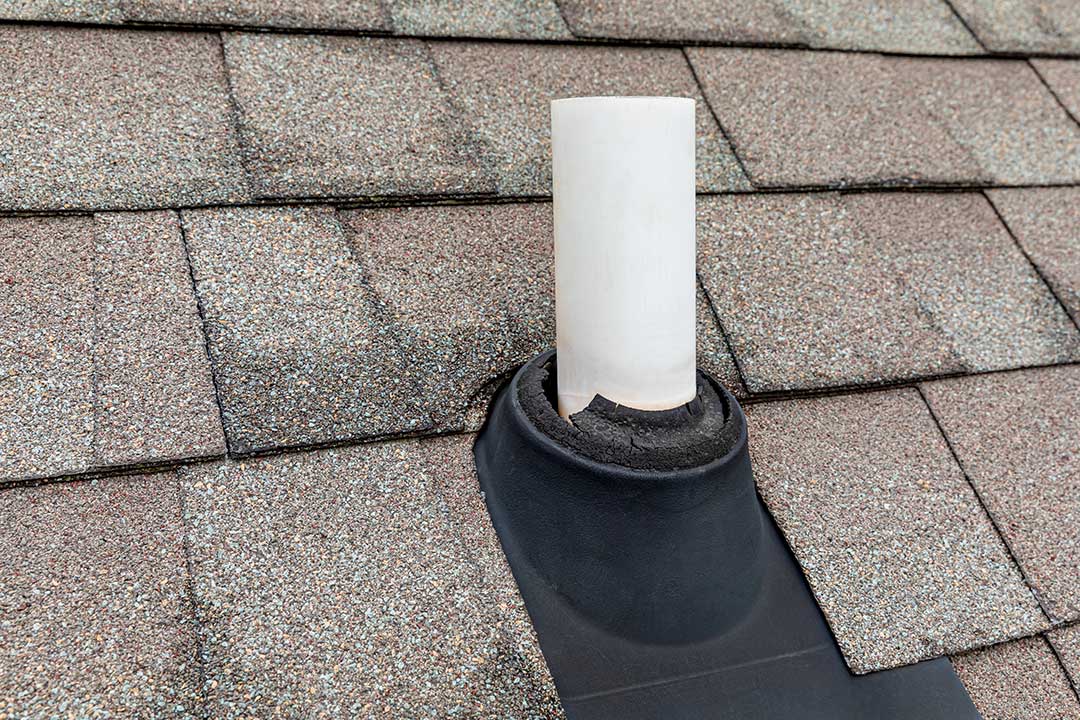
Fall preparation should focus on leaves, drainage, trees, and winter readiness. Complete these checks before repeated freezing temperatures make access difficult.
Remove leaves and organic debris from gutters, valleys, and roof areas that can be observed safely from the ground or a secure access point. Debris that stays wet against roofing materials can encourage deterioration and block water movement.
Inspect nearby trees for dead limbs, split branches, or branches that could fall onto the roof during wind or heavy snow. Tree work can be dangerous, particularly near a house, utility lines, or steep ground. Conditions that exceed ordinary homeowner equipment and experience require specialized safety planning.
Confirm that attic insulation is dry and evenly distributed, but do not block soffit vents with insulation. Airflow from soffits toward higher roof vents helps manage moisture. Also verify that attic access covers are properly fitted; warm household air entering a cold attic can contribute to condensation and frost.
Before winter, make sure emergency items are easy to find, including a flashlight, containers for catching drips, and a way to protect belongings beneath a new leak. Do not use a ladder or climb onto a roof during a storm.
What roof problems are common after snow and ice?
Snow and ice can cause damage even when shingles look intact. Ice buildup at roof edges may interfere with drainage and force meltwater beneath roofing materials. Heavy snow can also stress roof framing, especially where accumulation drifts against higher sections, dormers, or adjoining roofs.
After a major snow or ice event, watch for:
- New ceiling or wall stains
- Dripping around attic penetrations
- Doors that suddenly stick
- Cracks in ceilings or drywall
- Visible roof sagging
- Gutters pulling away from the roof edge
- Large ice formations or falling ice hazards
Do not chip ice from shingles or use sharp tools on the roof. Avoid placing heavy equipment on the roof without specific knowledge of the structure and safe load limits. If sagging, movement, or rapid leaking is present, keep people away from the affected area and treat the situation as a safety problem rather than a routine maintenance task.
Which roof maintenance tasks can be done safely?
Homeowners can often handle ground-level observations, interior checks, gutter monitoring from a safe position, and removal of small amounts of debris from accessible areas. They can also record dates, photographs, and locations of changes so recurring problems are easier to identify.
Roof access becomes risky when surfaces are wet, icy, mossy, steep, damaged, or higher than ordinary household equipment can safely reach. Chimneys, skylights, dormers, and roof valleys also create fall and damage hazards.
Professional evaluation is warranted when there is active interior leaking, structural sagging, extensive storm damage, suspected electrical contact, difficult roof access, or uncertainty about whether a roof can safely support a person. Safety and structural stability should take priority over completing a checklist.
A simple maintenance record can include the inspection date, weather conditions, visible changes, gutter condition, attic observations, and any areas that need closer attention. Over time, this record helps distinguish a one-time storm problem from gradual wear and makes seasonal roof care more organized.
