

How often should a roof be inspected?
Most homes should receive a roof inspection at least once a year, with an additional inspection after a major storm or any event that may have caused damage. For many households, late spring is the most useful time for the annual inspection because winter snow, ice, wind, and freeze-thaw cycles have passed.
A yearly inspection does not always mean the roof needs repairs. It provides a chance to identify small problems before they lead to interior leaks, damaged insulation, wet framing, or more extensive deterioration.
In Ithaca, winter conditions are a major reason to keep a regular inspection routine. The area normally experiences several months of freezing temperatures and substantial seasonal snowfall. Snow accumulation, melting, refreezing, and strong wind can affect shingles, flashing, gutters, vents, and roof edges even when no leak is visible from inside the house.
Why is late spring a good time for an inspection?
Late spring is often the most practical inspection window because the roof has endured the most demanding part of the year and is generally easier to access safely than during winter.
An inspection during this period can look for:
- Shingles loosened or broken by wind and ice
- Exposed fasteners or lifted flashing
- Damage around chimneys, skylights, plumbing vents, and roof transitions
- Gutter separation or sagging
- Ice-related damage along eaves
- Moss, algae, or organic debris holding moisture against roofing materials
- Small leaks that appeared during winter but were hidden by snow or delayed interior staining
Waiting until spring also allows a clearer view of the roof surface after snow has melted. However, a spring inspection should not replace an earlier inspection if there are warning signs or if a severe storm has occurred.
Should a roof be checked before winter?
Yes. A second inspection in early fall can be useful, particularly for older roofs, homes surrounded by mature trees, and properties that have experienced previous leaks.
The purpose of a fall inspection is preventive. It can identify conditions that may become more serious during the cold season, including:
- Cracked or missing shingles
- Loose metal edging
- Blocked or poorly draining gutters
- Damaged downspouts
- Gaps around roof penetrations
- Weak areas where water may collect
- Inadequate attic ventilation or visible moisture
- Branches that could fall onto the roof during wind or heavy snow
A roof does not need to be inspected every time the forecast calls for snow. The useful timing is before the season becomes difficult enough to make routine roof access hazardous. In practice, early to mid-fall is often more suitable than waiting until the first major storm.
When is an inspection needed after a storm?
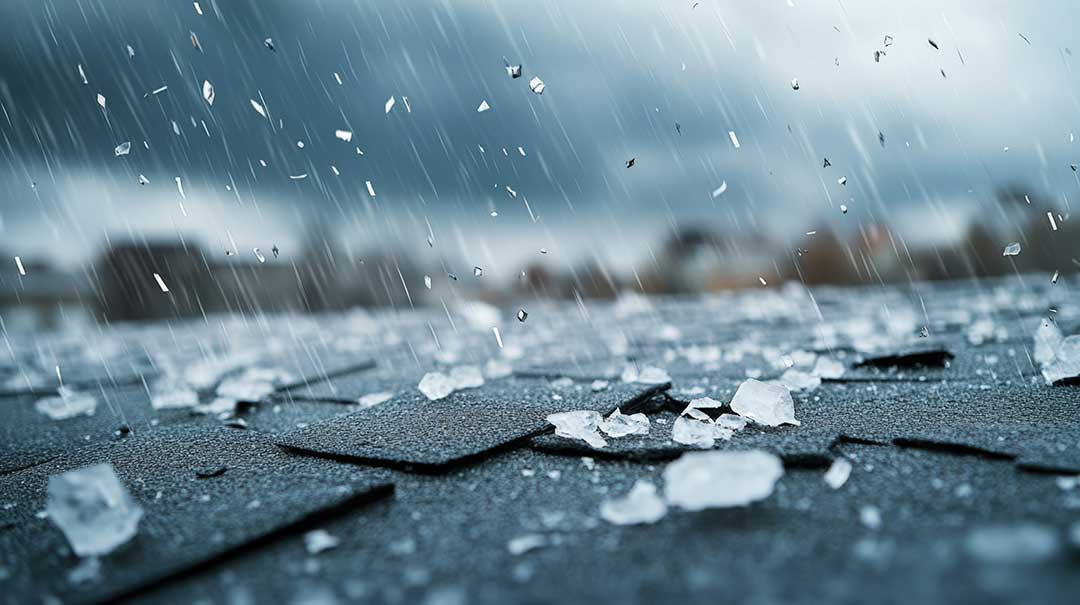
A roof should be checked after any storm that produces unusually strong wind, hail, heavy wet snow, falling branches, or nearby lightning damage. Inspection is also sensible after a storm if the house experiences a new leak, unexplained attic moisture, or a ceiling stain.
Some storm damage is easy to see, such as a fallen branch or missing section of shingles. Other problems are less obvious. Wind can lift shingle edges without removing the shingles entirely. Hail may leave small impact marks that become leak points later. Heavy snow can stress roof structures, especially where snow drifts form near taller roof sections, dormers, valleys, or additions.
After a serious storm, residents should avoid climbing onto the roof. Wet surfaces, ice, damaged shingles, and unstable branches create fall hazards. A ground-level check using binoculars can help identify obvious changes, but it cannot replace a close inspection when damage is suspected.
What symptoms mean an inspection should happen sooner?
A roof inspection should not wait for the annual calendar if warning signs appear. Interior evidence can be especially useful because leaks may travel along rafters or insulation before becoming visible.
Look for:
- Brown, yellow, or spreading ceiling stains
- Damp attic insulation
- Musty odors near the top floor
- Peeling paint or bubbling drywall
- Drips during rain or thawing weather
- Daylight visible through the attic roof deck
- Granules collecting in gutters or at downspouts
- Shingles found in the yard after windy weather
- Sagging roof lines or noticeably uneven areas
- Water collecting around chimneys, vents, or skylights
A stain that dries after a storm does not necessarily mean the problem has resolved. Water can enter during one event and remain trapped in building materials. Repeated wetting can contribute to mold growth, wood decay, and insulation damage.
Sagging, active water entry near electrical components, or structural damage requires prompt attention because the risk involves more than the roofing material itself.
Does the age of the roof change the inspection schedule?
Yes. Older roofs generally benefit from more frequent observation because materials become less tolerant of weather exposure over time.
A roof near the later part of its expected service life may deserve inspections twice a year, especially in a cold, snowy climate. The exact service life depends on material quality, installation, ventilation, shade, tree coverage, maintenance, and storm exposure. Age alone does not prove that replacement is necessary, but it does make small defects more significant.
Homeowners who do not know the roof’s age can often find clues in previous property records, closing documents, receipts, inspection reports, or permit information. If the roof has changed ownership with the house and its history is uncertain, documenting its current condition is useful for future comparison.
Are some homes more likely to need frequent inspections?
Certain features increase the value of regular inspection. These include:
- Steep or complex roof designs with multiple valleys
- Older homes with several roof additions
- Low-slope sections attached to otherwise steep roofs
- Roofs beneath large trees
- Homes with chimneys, skylights, or several plumbing vents
- Attics with visible condensation or limited airflow
- Properties that have had recurring ice buildup
- Houses where gutters are difficult to reach or clean
Neighborhood housing patterns also matter. Many older homes in the community have rooflines, additions, porches, and transitions built at different times. Each connection creates another place where flashing or drainage can weaken.
What can residents safely check from the ground?
A basic ground-level check can be performed after storms and during seasonal cleanup. Look for missing shingles, exposed underlayment, bent metal, displaced chimney materials, blocked gutters, and branches resting on the roof.
Inside the attic, use a flashlight to check for damp insulation, darkened wood, rusted fasteners, water marks, or visible daylight. Do not step between ceiling joists unless the attic has a safe walking surface. Keep clear of areas with active water near wiring, light fixtures, or electrical equipment.
A ground or attic check is a useful screening step, not a complete roof inspection. Some damage is hidden beneath shingles or flashing and cannot be confirmed without close access and appropriate safety equipment.
A simple inspection schedule for local households
For many homes, the following routine is reasonable:
- Late spring: Inspect for winter and freeze-thaw damage.
- Early to mid-fall: Check readiness for snow, ice, and prolonged cold.
- After severe weather: Look for storm-related damage once conditions are safe.
- Any time: Investigate leaks, stains, damp insulation, sagging, or unusual attic odors.
- More often for older roofs: Keep written notes and photographs so changes are easier to identify.
The right inspection date depends on the roof’s age, design, condition, and exposure. A regular spring review, a sensible pre-winter check, and prompt attention after damage provide a practical way to protect the roof without waiting for a serious interior leak.
