
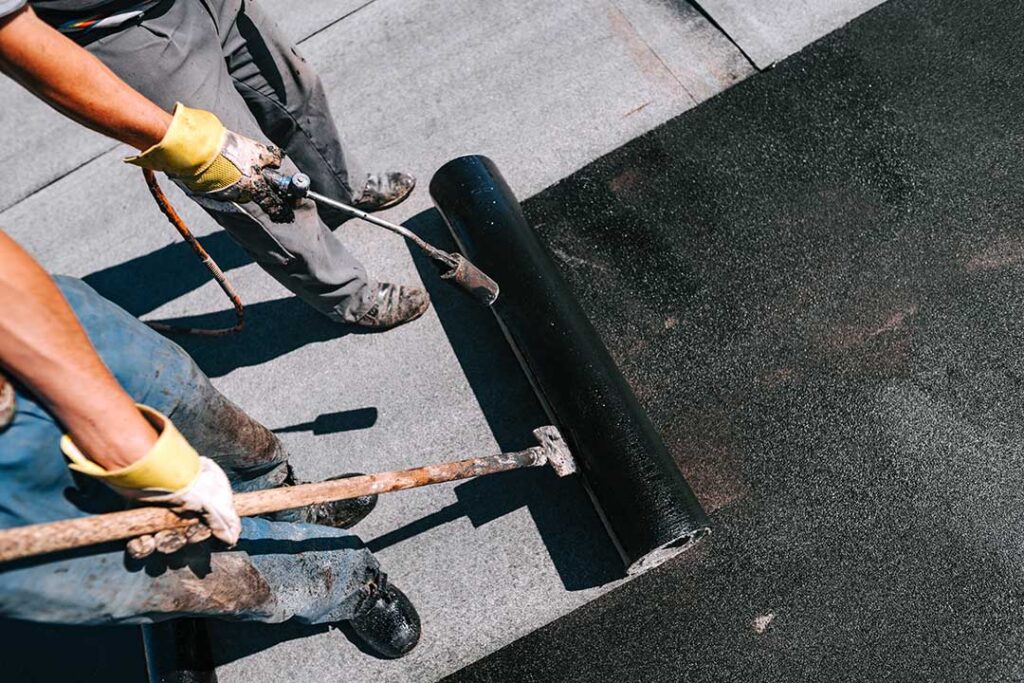
Roof work can look simple from the ground, but climbing onto a roof introduces serious fall, electrical, weather, and structural hazards. For homeowners in Ithaca, NY, changing seasons add extra concerns, including snow, ice, wet leaves, wind, and freeze-thaw damage.
The safest approach is to avoid climbing whenever a task can be completed from the ground. If roof access is necessary, careful planning matters more than speed.
Is it safe for homeowners to walk on a roof?
Walking on a roof is not automatically safe, even when the roof appears dry and stable. Sloped surfaces, loose granules, hidden damage, damp moss, and fragile roofing materials can cause a sudden slip or breakage.
Before considering access, look at the roof from the ground. Binoculars can help identify missing shingles, lifted flashing, blocked drainage, or storm debris without creating a fall risk. A roof should not be climbed if it is:
- Wet, icy, snowy, or covered with frost
- Damp from morning dew or recent rain
- Steep enough that footing feels uncertain
- Visibly sagging or damaged
- Covered with moss, algae, leaves, or loose granules
- Near overhead electrical wires
- Exposed to strong wind, lightning, or rapidly changing weather
Roof surfaces can also be more fragile than they appear. Older asphalt shingles may crack under foot traffic, while skylights, plastic vent covers, and roof sections over porches or additions may not support a person.
How should a ladder be set up?
A properly placed ladder is essential because many roof-related injuries happen before a person reaches the roof. Set the ladder on firm, level ground, not on stacked boards, loose soil, snow, ice, or uneven landscaping.
For an extension ladder:
- Inspect the rails, rungs, feet, locks, and hardware before use.
- Position the base about one foot away from the wall for every four feet of ladder height.
- Keep the top resting against a solid surface, not a gutter or weak trim.
- Extend the ladder above the roof edge enough to provide a stable handhold when stepping off, where the setup and ladder design permit.
- Face the ladder while climbing and maintain three points of contact.
- Keep belt buckles and the center of the body between the rails.
- Do not carry tools in both hands; use a tool belt, hoist line, or have someone pass items after the ladder is secured.
A ladder should never be moved while someone is standing on it. Do not place it near a doorway, driveway, or walkway without controlling the area. Children, pets, and other household members should stay clear of the setup.
What should homeowners wear on a roof?
Wear footwear with clean, slip-resistant soles and a defined heel or firm edge. Soft-soled shoes may provide better traction on some dry roofing surfaces, but no footwear makes icy or wet shingles safe.
Clothing should allow free movement without loose drawstrings, dangling straps, or bulky layers that can catch on equipment. Gloves may improve grip, but they should not be used to justify climbing in poor conditions.
Eye protection is useful when clearing debris, trimming branches, or working around deteriorated roofing materials. A hard hat may also be appropriate when there is a risk of falling objects, especially near roof edges or beneath another person working above.
How do snow and ice affect roof safety in Ithaca?
Winter conditions can make roof access unsafe even when snow accumulation looks light. Ice may form beneath snow, along eaves, around skylights, and on ladder feet. Freeze-thaw cycles can also leave surfaces damp and unexpectedly slick.
Snow should not be removed from a roof by climbing onto it with a standard household shovel. The added weight of a person, equipment, and snow can increase stress on the roof, while scraping can damage shingles and flashing. Snow removal from the ground using a roof rake may be safer, but the tool must be used carefully to avoid pulling down gutters, striking windows, or creating falling-snow hazards.
Do not stand beneath a roof edge while snow or ice is being removed. Falling material can injure people, damage vehicles, and block walkways. Ice dams can also cause water to back up beneath shingles, but breaking ice with a hammer or other forceful tool may damage the roof.
Can homeowners inspect a roof from the attic?
Yes. An attic inspection can reveal warning signs without requiring roof access. During daylight, look for water stains, damp insulation, mold-like growth, rusted fasteners, or small points of light around roof penetrations. After rain or melting snow, fresh moisture may indicate a problem that is not visible from outside.
Use caution in the attic:
- Walk only on structural framing or installed flooring.
- Do not step between ceiling joists, where the ceiling may not support body weight.
- Watch for exposed nails, splinters, wiring, and hot surfaces.
- Carry a flashlight rather than relying only on a phone light.
- Avoid disturbing insulation unnecessarily.
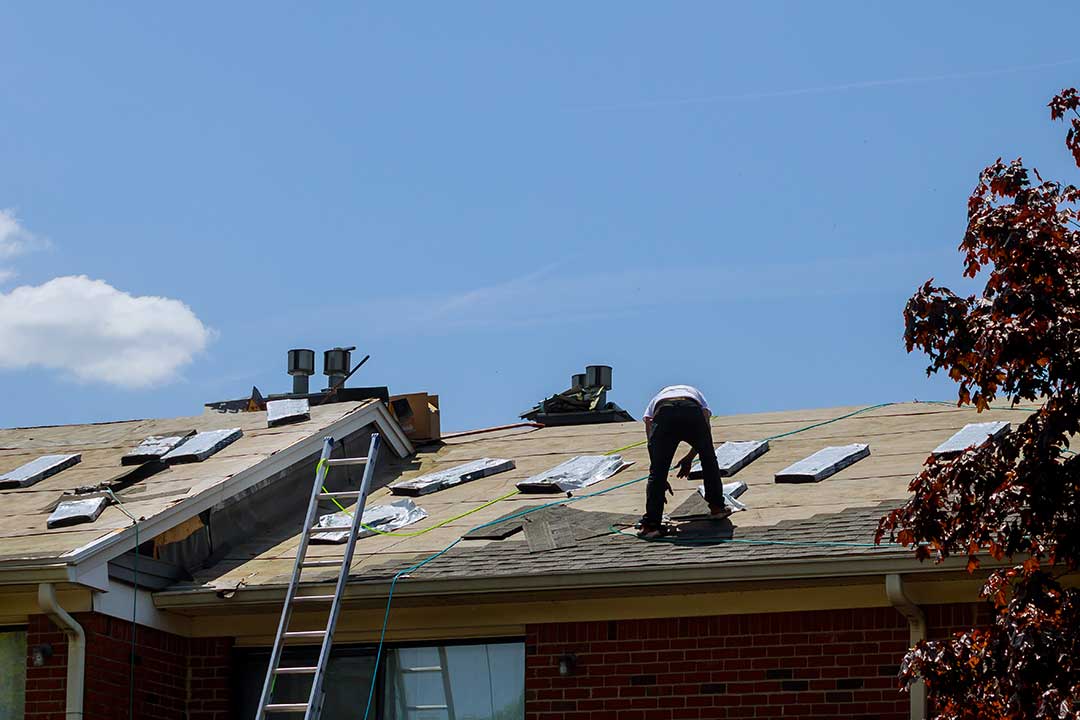
A stained ceiling does not always show the exact location of a roof leak. Water can travel along rafters, sheathing, or insulation before appearing inside the home.
What precautions are needed around gutters and roof edges?
Gutters are not designed to support a person or ladder. Leaning a ladder against them can crush the gutter, damage its slope, or cause the ladder to slide. A ladder stabilizer or a properly designed stand-off accessory can help keep the ladder away from the gutter, but it does not eliminate fall risk.
Keep the area below the roof clear before working. Move outdoor furniture, toys, garden tools, and vehicles away from the drop zone. Warn household members before releasing debris, and never toss materials from the roof.
If gutter cleaning can be done from the ground with an appropriate extension tool, that is generally safer than climbing. A roof edge should not be approached merely to retrieve a ball, branch, or small object.
When should a homeowner stop and avoid roof access?
Stop immediately if the ladder shifts, the surface becomes slick, wind increases, or visibility worsens. Fatigue is another reason to stop; balance and judgment decline quickly during repetitive work or after climbing multiple times.
Roof work should not be attempted alone. Someone on the ground should know where the ladder is, what task is being performed, and how to summon emergency help. A phone should be accessible but not carried in a way that prevents a secure grip.
Homeowners should avoid improvised fall-protection systems. A harness is not safe simply because it is worn; it requires a properly rated anchor, compatible equipment, correct fit, and training. Attaching a lanyard to a vent pipe, chimney, gutter, or other unverified structure can create a false sense of security.
What roof tasks are safer from the ground?
Many routine checks can be completed without climbing:
- Photographing suspected damage with a zoom lens
- Checking downspouts for blockage
- Removing reachable debris from the ground
- Looking for displaced shingles after severe weather
- Inspecting attic spaces
- Monitoring ceiling stains during and after rain
- Trimming branches that threaten the roof, while staying clear of power lines
Any situation involving a steep roof, major storm damage, exposed wiring, structural sagging, significant ice, or a fall risk beyond basic ladder use requires a more controlled safety plan. Protecting people from injury should take priority over making a quick repair.
