
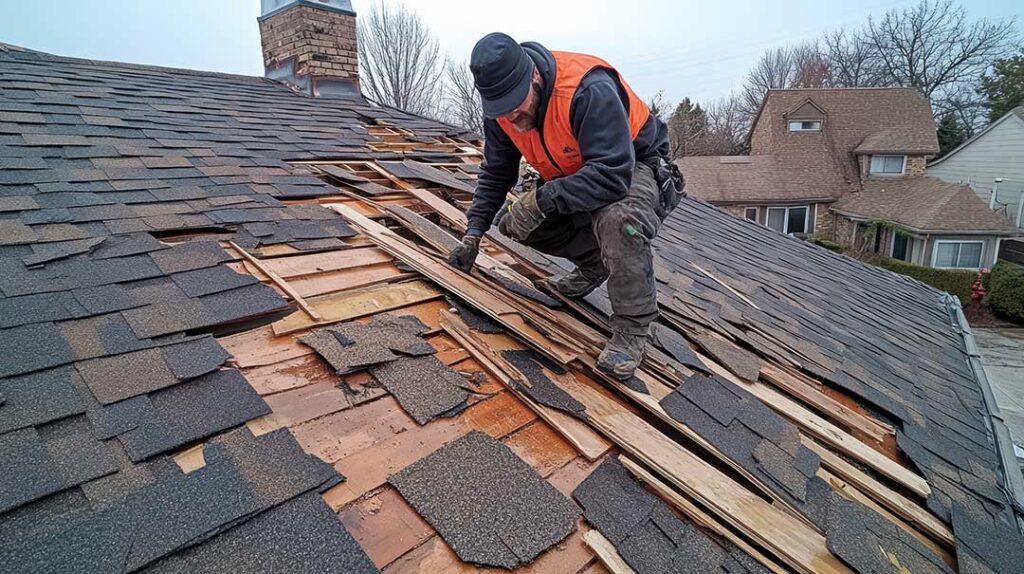
A roof rarely fails all at once. More often, small issues develop gradually: a lifted shingle, a clogged gutter, a loose flashing edge, or damp insulation in the attic. Preventive roof maintenance helps identify those conditions before they become interior damage, structural deterioration, or an emergency repair.
For homeowners in Ithaca, NY, routine attention is especially useful because roofs must handle repeated cycles of rain, snow, freezing temperatures, ice, wind, and summer heat. Maintenance cannot prevent every problem, but it can reduce avoidable damage and help a roof perform closer to its expected service life.
What does preventive roof maintenance include?
Preventive roof maintenance means inspecting, cleaning, monitoring, and correcting minor problems before they become larger failures. It is different from waiting until water appears on a ceiling.
Typical maintenance includes:
- Looking for cracked, curled, missing, or displaced shingles
- Checking flashing around chimneys, vents, skylights, and roof edges
- Clearing leaves, twigs, and sediment from gutters and downspouts
- Inspecting soffits, fascia, and exposed trim for staining or rot
- Watching for moss or algae growth in persistently shaded areas
- Checking the attic for damp insulation, water stains, mold-like growth, or daylight
- Confirming that bathroom and kitchen exhaust fans vent outdoors rather than into the attic
- Reviewing areas affected by fallen branches, heavy snow, or strong wind
Some tasks can be handled from the ground, such as checking for visible shingle damage or overflowing gutters. Walking on a roof is riskier and can damage roofing materials, particularly when surfaces are wet, icy, steep, or brittle.
How does maintenance extend roof life?
Regular maintenance protects the parts of a roofing system that are most vulnerable to water entry. A small gap around flashing or a damaged shingle may allow moisture beneath the visible roof surface. Once water reaches underlayment, sheathing, insulation, or framing, the repair usually becomes more complex.
Maintenance extends useful life by addressing problems such as:
- Water collecting behind clogged gutters
- Wind-damaged shingles that allow repeated wetting
- Deteriorated sealant around roof penetrations
- Debris holding moisture against roofing materials
- Poor attic ventilation that contributes to condensation
- Ice buildup that redirects melting snow beneath roof coverings
The goal is not to make an aging roof new again. The goal is to keep water moving away from the building, preserve sound materials, and avoid conditions that accelerate deterioration.
Why are gutters and downspouts part of roof maintenance?
Gutters are part of the roof drainage system, not merely an exterior convenience. They collect runoff from the roof and direct it away from walls, windows, siding, and the foundation.
A blocked or sagging gutter can cause water to spill over the edge. That water may wet fascia boards, soak siding, collect near the foundation, or freeze into heavy buildup during cold weather. Downspouts that discharge too close to the house can also contribute to basement or crawlspace moisture.
Gutters generally deserve attention in late spring and again after most leaves have fallen. They should also be checked after severe storms. Downspout outlets need to remain open and should move water away from the foundation without creating erosion or standing water.
What role do snow and ice play?
Snow itself is not automatically a roof emergency, but repeated freezing and thawing can expose weak points. Ice dams are a more specific concern. They can form when heat escapes into a cold roof edge, causing snow to melt higher on the roof and refreeze near the eaves. The resulting ice may obstruct drainage and allow water to move beneath shingles.
Preventive steps include:
- Keeping attic insulation and air sealing in good condition
- Maintaining balanced roof ventilation where the roof design allows it
- Removing leaves and debris before winter
- Watching for recurring ice buildup in the same roof areas
- Avoiding the use of improvised tools or harsh chemicals on shingles
Heavy snow removal from a roof can be hazardous. It may also damage shingles, flashing, gutters, or roof edges if performed improperly. Roofs showing unusual sagging, cracking noises, interior leaks, or substantial ice buildup require prompt attention because both fall and structural hazards may be present.
Can preventive maintenance reduce indoor moisture problems?
Yes. Roof leaks and attic condensation can contribute to damp insulation, stained ceilings, peeling paint, wood decay, and mold growth. These problems may not appear directly below the original source of water; moisture can travel along framing or roofing materials before becoming visible.
An attic check is useful after major storms and during seasonal changes. Look for:
- Darkened or wet wood
- Compressed or damp insulation
- Rusted fasteners
- Musty odors
- Staining around vents, chimneys, or roof valleys
- Frost or condensation during cold weather
A roof leak should not be treated only by painting over an interior stain. The source needs to be corrected, and wet materials should be dried promptly. If insulation, framing, or drywall remains damp, hidden damage may continue even after the visible mark fades.
How much can preventive maintenance save?
The financial benefit depends on the roof’s age, design, materials, and the severity of the problem. A small repair is usually less disruptive than replacing wet sheathing, insulation, interior finishes, or damaged framing. Preventive maintenance also helps homeowners plan for eventual replacement instead of being forced into a decision during an active leak.
The value may appear in several ways:
- Fewer emergency repairs
- Less interior water damage
- Lower risk of premature roof replacement
- Better protection for insulation and framing
- More predictable household maintenance costs
- Stronger documentation of roof condition for future home decisions
Maintenance is not a guarantee against failure. An older roof may still reach the end of its serviceable life even when it has been well cared for. However, routine inspections can clarify whether a problem is localized, widespread, cosmetic, or a sign that replacement planning should begin.
How often should a roof be checked?
A practical schedule is to review the roof and drainage system at least twice a year, commonly in spring and fall, and again after unusually strong wind, heavy snow, or falling branches.
Older homes, roofs with several penetrations, heavily shaded roof surfaces, and properties surrounded by mature trees may need closer observation. Homes with recurring attic condensation or ice buildup also benefit from more frequent monitoring.
A useful record can include the inspection date, visible conditions, photographs taken from safe locations, completed repairs, and areas to watch. This creates a history that helps distinguish a new problem from an old stain or long-standing material condition.
When is roof work unsafe to handle personally?
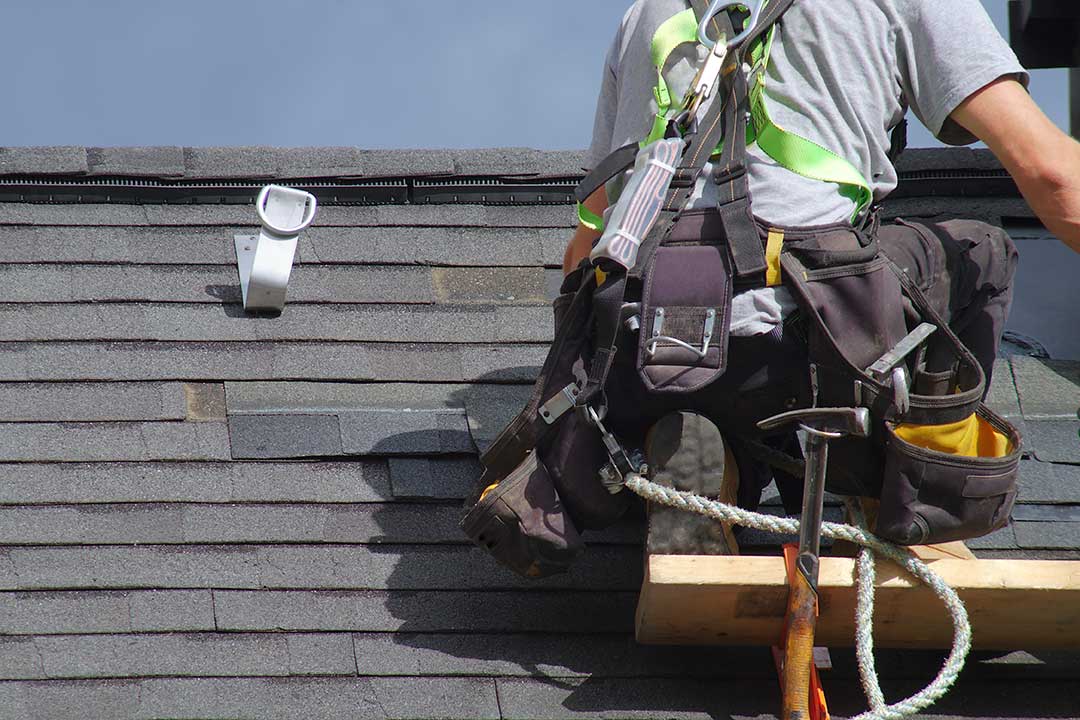
Roof maintenance should not become a fall or electrical hazard. Conditions that generally call for qualified assistance include steep or fragile roofing, icy surfaces, suspected structural damage, extensive storm damage, exposed electrical hazards, active interior leaks near electrical fixtures, and work requiring specialized equipment.
Residents should avoid climbing during rain, frost, high winds, or unstable winter conditions. A ground-level inspection, attic observation, and prompt documentation of visible damage are safer first steps.
The long-term value of preventive roof maintenance comes from preserving options. Early knowledge allows minor problems to be corrected, moisture to be controlled, and eventual replacement to be planned around the household rather than around the next storm.
