

Hail can damage roofing materials without creating an obvious leak. In Ithaca, NY, summer thunderstorms can produce hail, strong wind, and heavy rain in a short period, so a roof may need inspection even when the ceiling and attic appear dry.
The most reliable approach is to look for several clues together: bruised or missing shingles, exposed roofing layers, damaged metal components, debris patterns, and signs of impact on nearby property.
What does hail damage on a roof look like?
Hail damage often appears as small, localized areas where the roof surface has been dented, fractured, or stripped of protective granules. On asphalt shingles, the damage may not look dramatic from the ground.
Common signs include:
- Dark, soft, or irregular spots where the shingle has been bruised
- Circular or oval depressions in the shingle surface
- Missing granules collected in gutters or at the base of downspouts
- Cracked, split, or torn shingle tabs
- Shingles that are loose, lifted, or missing
- Exposed fiberglass mat or darker underlying material
- Dents in metal flashing, vents, chimney caps, or gutters
- Water stains in the attic or on ceilings after the storm
A hail bruise may feel slightly softer than the surrounding shingle when gently pressed, but walking on a roof to test for damage is unsafe and can cause additional wear.
How can someone check a roof safely from the ground?
A ground-level inspection can reveal useful clues without climbing onto the roof. Use binoculars if available, and examine roof edges, lower slopes, dormers, valleys, and areas visible from windows or nearby ground-level locations.
Look for:
- Uneven or missing shingles
- Fresh-looking dark marks or exposed patches
- Shingle pieces in the yard
- Damage concentrated on one roof slope
- Dented downspouts, window screens, siding, or outdoor equipment
- Broken branches or stripped leaves around the property
Hail usually strikes the surfaces facing the storm most directly. Damage may therefore be heavier on one side of the roof rather than evenly distributed.
Do not inspect during active lightning, strong wind, or unstable weather. A wet roof, steep pitch, moss-covered surface, or roof covered with debris creates a significant fall hazard.
What should be checked in the attic?
The attic can show whether an impact has affected the roof’s ability to shed water. Look during daylight hours with a flashlight, taking care around exposed nails, insulation, electrical wiring, and low-clearance areas.
Check for:
- Damp insulation
- Water marks on rafters or roof decking
- Small drips or fresh moisture
- Daylight visible through the roof
- Musty odors after rainfall
- Discolored wood near vents, valleys, or roof penetrations
A roof can have hail damage without leaking immediately. Some impacts weaken the shingle or protective surface first, while water intrusion becomes apparent later after repeated rain, freeze-thaw cycles, or snow accumulation.
If water is actively entering the home, place a container under the drip, move belongings away from the area, and avoid touching wet electrical fixtures or wiring.
How can hail damage be distinguished from normal roof aging?
Age-related wear tends to affect broad areas gradually. Hail damage is more often scattered, impact-related, and concentrated on exposed surfaces.
Normal aging may include:
- General loss of granules across many shingles
- Fading or discoloration from sunlight
- Curling edges
- Brittleness
- Uniform wear on multiple roof slopes
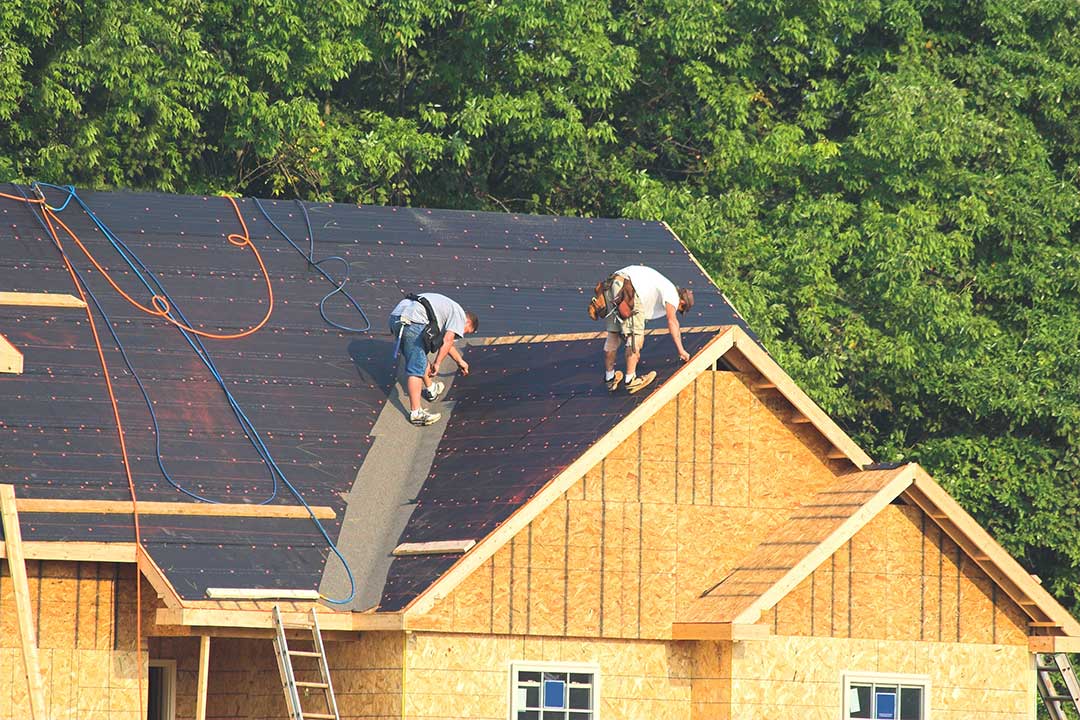
Hail impact is more likely when there are distinct depressions, fresh fractures, isolated missing granules, or dents in nearby metal components. Wind damage may lift or remove shingles without leaving round impact marks.
The two types of damage can also occur together. An older roof may be more vulnerable because its shingles have already lost flexibility. A storm can then accelerate deterioration that was already underway.
Do damaged gutters, vents, or siding confirm roof damage?
They are useful clues, but they do not prove that the shingles are damaged. Soft metals such as aluminum vents, flashing, gutters, and downspouts may show dents after hail. Window screens, patio covers, outdoor furniture, and painted siding can also reveal the direction and approximate severity of the storm.
Damage to nearby vegetation is another indicator. Stripped leaves, broken tender branches, and shredded plants suggest that hail or strong wind affected the property. However, small hail may damage vegetation without causing significant roof damage, while a roof can sustain less visible damage even when plants appear mostly intact.
The strongest indication comes from a pattern: storm timing, hail reports or observation, impact marks on exposed surfaces, and corresponding roof defects.
Can small hail damage a roof?
Yes, although larger hail is generally more likely to cause severe damage. Repeated impacts from smaller stones can remove protective granules, especially from aging or weathered shingles. Wind can also increase the force of hail as it strikes sloped surfaces.
The type and condition of the roof matter. Asphalt shingles, low-slope roofing, metal components, skylights, and older flashing systems respond differently to impact. Hail that does not break through a roof covering may still shorten its service life or create weak spots.
A storm’s total effect also depends on duration, wind direction, roof angle, surrounding trees, and whether the roof was already deteriorated.
What should be documented after a hailstorm?
Take photographs from safe locations as soon as conditions allow. Capture both close details and wider views showing where the damage is located.
Useful documentation includes:
- The date and approximate time of the storm
- Hail size, if observed safely
- Photographs of roof areas visible from the ground
- Dents in gutters, vents, siding, screens, or other metal surfaces
- Fallen shingle fragments or granules
- Attic moisture, ceiling stains, or interior damage
- Damaged trees and outdoor property
Avoid washing, patching, painting, or discarding damaged materials before the condition has been documented. If temporary protection is needed to keep rain out, it should be installed without climbing onto an unsafe roof or covering active electrical hazards.
When does roof damage require immediate attention?
Urgent attention is warranted when there is an active leak, a visible hole, exposed roof decking, large sections of missing roofing, sagging, or water near electrical components. A ceiling that is bulging from trapped water should not be punctured unless the person doing so understands the electrical and structural risks.
Roof access should be treated as hazardous after a storm. Wet shingles, loose materials, hidden damage, and nearby power lines make climbing especially dangerous. Safety conditions may require a qualified, properly equipped roofing inspector to evaluate areas that cannot be seen from the ground or attic.
For local households, prompt observation is especially useful because moisture can be followed by cool nights, freezing temperatures, and snow later in the year. Finding a damaged area before repeated weather exposure may help prevent a small defect from becoming interior water damage.
Does a roof need replacement after hail?
Not necessarily. Hail damage may be limited to a few shingles, metal accessories, flashing, or a particular roof slope. In other cases, impacts are widespread enough to affect the roof’s protective surface across multiple areas.
A roof’s age, material, installation condition, previous repairs, and extent of damage all matter. Replacement should not be assumed solely because hail occurred, and a roof should not be considered undamaged solely because it is not leaking.
A careful assessment should identify the location, type, and severity of each defect. That information provides a more accurate basis for deciding whether repairs, monitoring, or broader roof work is appropriate.
