
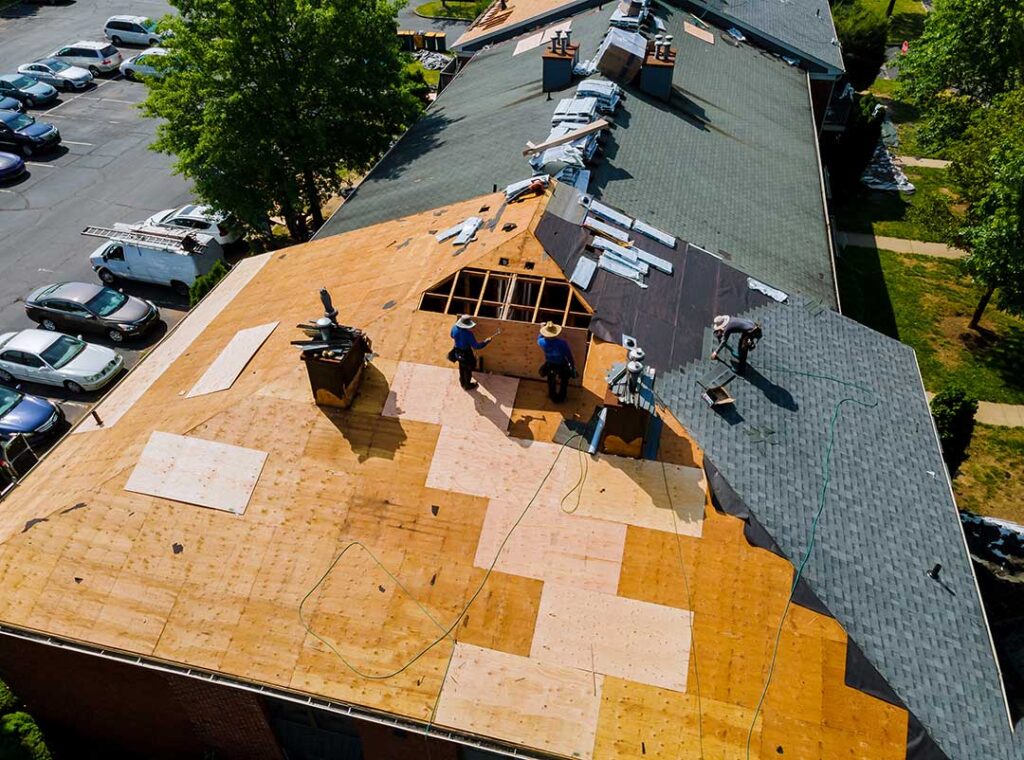
Roof repairs often fail because the visible damage is treated as the entire problem. A missing shingle, ceiling stain, or clogged gutter may be only one part of a larger issue involving flashing, ventilation, drainage, or the roof structure.
In Ithaca, NY, repeated snow, wind, rain, ice, and freeze-thaw cycles can expose weak repairs quickly. Understanding the most common mistakes helps residents avoid unnecessary damage and recognize when a temporary fix is no longer enough.
Treating every leak as a shingle problem
A ceiling stain does not always appear directly below the roof defect. Water can travel along roof decking, rafters, insulation, or framing before entering the living space.
Replacing a few shingles may stop the visible symptom while leaving the actual entry point untouched. Common sources include:
- Damaged or poorly installed flashing around chimneys, skylights, and roof edges
- Exposed fasteners
- Open seams in roofing materials
- Failed pipe boots
- Deteriorated underlayment
- Ice-related water backup near the eaves
The location of interior staining can help narrow the search, but it should not be treated as a precise map of the leak. Water may also appear days after rain or during a thaw, making timing useful when tracking the source.
Patching over wet or damaged materials
A repair should not trap moisture beneath new roofing materials. Covering wet wood, damp insulation, or deteriorated underlayment can conceal damage and create conditions for rot or mold.
This mistake is especially common after winter leaks. A roof may look dry from above while moisture remains inside the roof assembly. Before closing the area, damaged materials need to be evaluated, and the source of moisture needs to be addressed.
Roof decking that feels soft, crumbles, or bends under light pressure may no longer provide a reliable fastening surface. Adding shingles over it does not restore its strength.
Using roofing cement as a permanent solution
Roofing cement can be useful in limited situations, but it is often misused as a general-purpose repair. Large blobs around flashing, vents, or shingles may provide short-term water resistance while failing to correct movement, poor drainage, or deteriorated materials.
Excess sealant can also make future repairs more difficult. It may hide fasteners, cover cracks, and prevent proper inspection. A lasting repair usually depends on restoring the correct overlap, fastening pattern, flashing arrangement, or drainage path rather than applying more material on top.
Nailing shingles incorrectly
Improper fastening is one of the most common causes of premature shingle failure. Nails placed too high, too low, too far from the centerline, or through the wrong part of a shingle may not hold securely.
Other problems include:
- Using too few fasteners
- Leaving nail heads exposed
- Driving nails too deeply and damaging the shingle
- Failing to align courses
- Reusing old holes when a solid fastening location is needed
- Installing materials outside the temperature conditions specified by the manufacturer
A repair can appear neat from the ground and still be vulnerable to wind if the fasteners are not placed correctly.
Ignoring flashing details
Flashing directs water away from joints and changes in roof surface. It is commonly found around chimneys, walls, skylights, valleys, and plumbing penetrations.
Replacing surrounding shingles without repairing failed flashing often leads to another leak. Mortar joints near chimneys can also deteriorate, allowing water behind the flashing. Step flashing should not be covered with a continuous strip of sealant or bent in a way that prevents water from draining properly.
Valleys deserve particular attention because they collect runoff from multiple roof planes. Leaves, ice, and debris can concentrate water in these areas, while poorly installed valley materials can allow leakage even when the shingles look intact.
Blocking ventilation or confusing ventilation with insulation
Adding insulation without preserving airflow can create moisture problems in the attic. Eave vents, baffles, and ridge or other high vents work together to move air through the roof space and reduce condensation.
A common mistake is pushing insulation into soffit ventilation paths. Another is assuming that more insulation alone will solve ice dams. Ice dams can form when warm air escapes into the attic, warms the roof deck, melts snow, and allows water to refreeze near the colder eaves.
Improving attic air sealing, maintaining clear ventilation channels, and keeping gutters and roof drainage paths open are separate tasks. One does not automatically replace the others.
Removing snow or ice with damaging tools
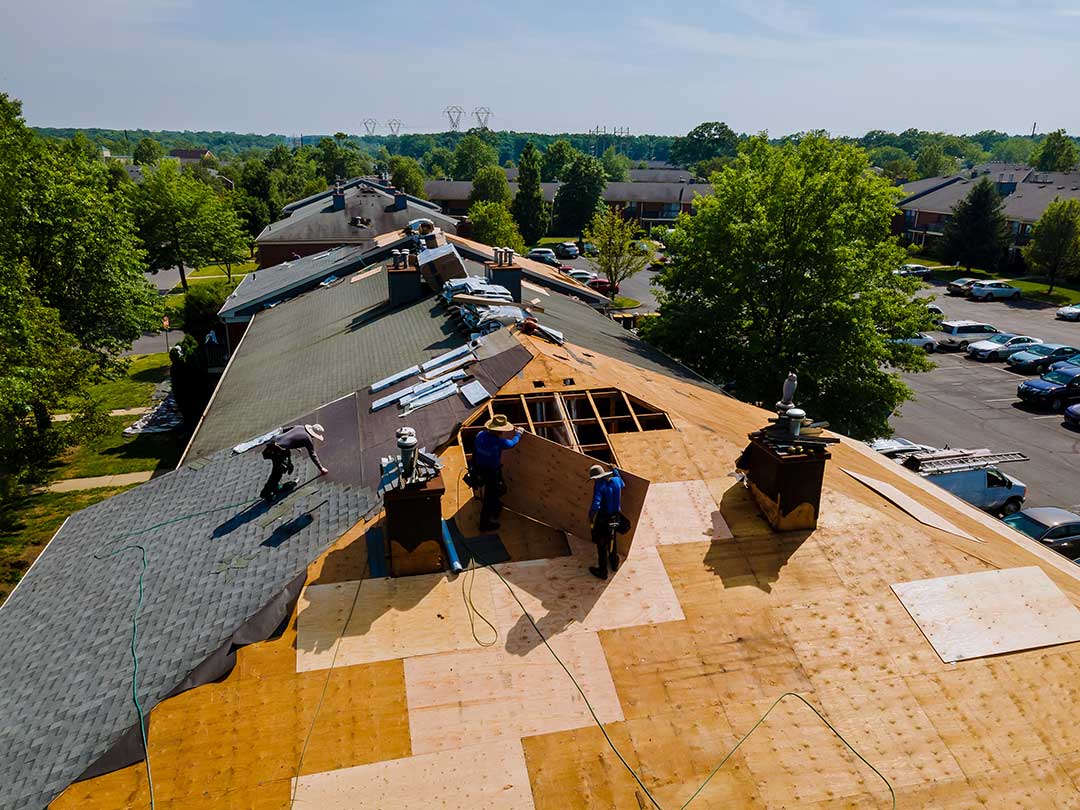
Aggressive snow removal can damage shingles, flashing, gutters, and protective membranes. Metal shovels, axes, picks, and sharp tools may scrape away protective granules or puncture roofing materials.
Residents should also avoid standing beneath heavy roof-edge ice or attempting risky work from a ladder during icy conditions. Falling ice and sliding snow can injure people or damage property.
If snow load or ice buildup appears unusually heavy, particularly over a porch, addition, or older structure, the situation may involve a structural safety concern rather than a routine maintenance task.
Repairing only the roof surface after storm damage
Wind and falling branches can damage more than visible shingles. A storm may loosen flashing, crack vents, bend gutters, or damage the roof deck beneath the covering.
Looking only for missing shingles can overlook small openings that become leaks during the next rain or thaw. After severe weather, useful observations include:
- Shingles that are lifted, creased, or missing
- New granules in gutters or downspouts
- Bent metal around edges or penetrations
- Sagging roof lines
- Water stains or damp attic insulation
- Debris that has punctured the roof
Photographs from the ground can document changes without creating a fall hazard.
Mixing incompatible materials
Roofing systems are designed to work as assemblies. Combining materials without checking compatibility can cause corrosion, poor adhesion, premature deterioration, or drainage problems.
Examples include incompatible metals touching each other, sealants that do not bond to a specific surface, and replacement shingles with noticeably different dimensions or exposure. Older homes may also contain multiple generations of roofing materials, making it harder to determine where one layer ends and another begins.
Matching appearance is useful, but compatibility, fastening, slope, and water-shedding performance matter more.
Delaying repairs after interior warning signs
A small stain may indicate a minor issue, but it can also be the first visible sign of concealed damage. Delaying evaluation allows water to affect insulation, drywall, framing, electrical components, and finished surfaces.
Prompt attention is especially sensible when staining is expanding, paint is bubbling, wood is soft, or water appears near a light fixture. Electrical hazards, structural sagging, active water entry, and unsafe roof access should not be handled as ordinary do-it-yourself maintenance.
Forgetting the drainage system
Gutters and downspouts are part of roof performance. A repaired roof can still experience water problems if runoff spills behind gutters, pools near the foundation, or backs up under roof edges.
Check that gutters are securely attached, downspouts discharge water away from the structure, and leaves do not block the flow. In a snowy climate, gutter guards and heat cables should not be treated as universal solutions; they must be compatible with the roof design and installed without creating new drainage or electrical risks.
The most reliable repair is not always the most visible one. Correctly identifying how water, air, snow, and structure interact is what prevents a small roof defect from becoming a larger household problem.
