
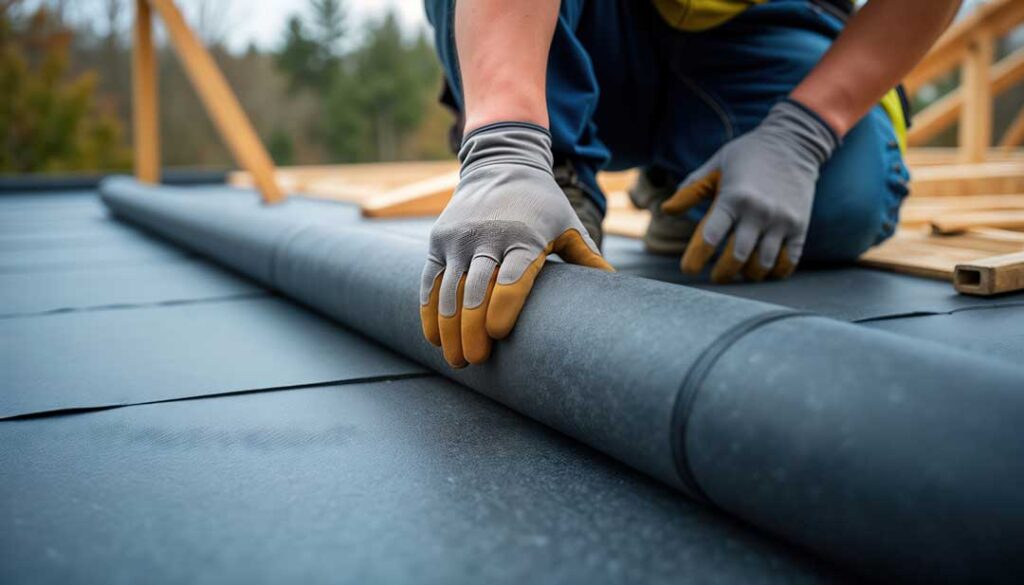
Roof coatings can extend the service life of some roofs, improve resistance to weathering, and reduce summer heat gain. They are not a universal replacement for a new roof, however. The right choice depends on the roof’s material, slope, condition, drainage, moisture history, and the type of coating being considered.
What is a roof coating?
A roof coating is a liquid-applied membrane that dries into a protective layer over an existing roofing surface. Depending on the product, it may be made from acrylic, silicone, polyurethane, rubber-like compounds, or asphalt-based materials.
Coatings are commonly used on:
- Low-slope membrane roofs
- Metal roofing
- Modified bitumen and built-up roofing
- Some older asphalt-based roof systems
- Commercial and residential outbuildings
The coating does not normally replace the roof deck, underlayment, flashing, insulation, or structural components. It is best understood as a protective layer applied to a roof that is still fundamentally sound.
What are the main advantages?
The greatest benefit is often extending the useful life of an existing roof that has weathered but does not have widespread structural or moisture damage.
A coating may slow weathering
Roof surfaces are exposed to ultraviolet radiation, rain, wind, temperature changes, falling debris, and repeated wetting and drying. A properly selected coating can add another protective layer over the existing roofing material. This may reduce surface deterioration and help protect seams or exposed areas.
The benefit is most realistic when the underlying roof has been maintained and small problems are repaired before coating begins.
It may reduce summer heat gain
Light-colored or reflective coatings absorb less solar energy than dark roof surfaces. During sunny weather, this can lower roof temperatures and reduce some heat transfer into the building.
The effect is usually more noticeable on low-slope roofs, buildings with limited attic insulation, and structures with air-conditioning equipment. In a climate with substantial heating needs, the year-round energy savings may be less impressive than in a consistently hot climate.
For households in Ithaca, summer cooling benefits can be useful, but they should not be overstated. A reflective coating will not correct inadequate insulation, poor attic ventilation, air leaks, or inefficient mechanical equipment.
It can seal small surface imperfections
Some coating systems bridge minor cracks, pinholes, and weathered areas. Reinforcing fabric may be used at seams, transitions, penetrations, and other vulnerable locations.
This does not mean the coating can permanently repair active leaks. Water may be entering through flashing, fasteners, deteriorated decking, blocked drainage, or concealed damage that the coating cannot address.
It may reduce tear-off waste
If a sound roof can be restored rather than removed, less old roofing material may go to a landfill. A coating project may also create less disruption than a complete roof replacement.
That environmental advantage depends on the roof being a suitable candidate. Applying a coating over a failing roof simply postpones removal and can make later tear-off more complicated.
What are the disadvantages?
Roof coatings have limitations that are easy to overlook. The most serious problem is using a coating to conceal a roof that needs structural or comprehensive repair.
A coating cannot fix major roof damage
A coating is not a substitute for replacing rotten decking, repairing widespread membrane failure, correcting structural movement, or rebuilding poorly designed drainage.
It also cannot solve interior moisture caused by condensation, inadequate ventilation, or air leakage. In cold-weather climates, moisture control inside the roof assembly is especially important because trapped condensation can damage insulation, wood, and roofing materials over time.
Preparation is often more important than the coating
Dirt, algae, loose granules, rust, grease, chalking, and trapped moisture can prevent proper adhesion. Seams, penetrations, edges, drains, and flashing generally require close inspection and preparation.
If the roof surface is not clean, dry, and stable, the coating may blister, peel, crack, or wear prematurely. A product that performs well on one roof may fail on another because of incompatible materials or poor surface preparation.
Weather affects application and curing
Many coatings need suitable temperatures, dry conditions, and enough time to cure. Cold temperatures, overnight dew, rain, snow, and high humidity can interfere with application.
For this reason, the seasonal window matters in Ithaca. A coating applied late in the year may not cure properly before colder, wetter weather arrives. Even during warmer months, shaded areas and damp roof surfaces can remain unsuitable for application.
Reflective coatings are not always ideal
A reflective roof may reduce summer heat absorption, but the benefit depends on the building and its energy use. A home with strong insulation and little air-conditioning may see only a modest reduction in energy costs.
Light-colored surfaces can also show dirt, biological growth, and staining. As reflectivity declines, the cooling benefit may decline as well. Cleaning must be done carefully because aggressive pressure washing or harsh chemicals can damage the roofing system.
The coating adds maintenance rather than eliminating it
A coated roof still needs inspections. Seams, drainage areas, flashing, roof penetrations, and areas beneath falling branches should be checked periodically.
Snow and ice can also expose weak points. Repeated freeze-thaw cycles, ice movement, and mechanical damage from walking on the roof may eventually create cracks or worn areas in the coating.
Which roof types are usually better candidates?
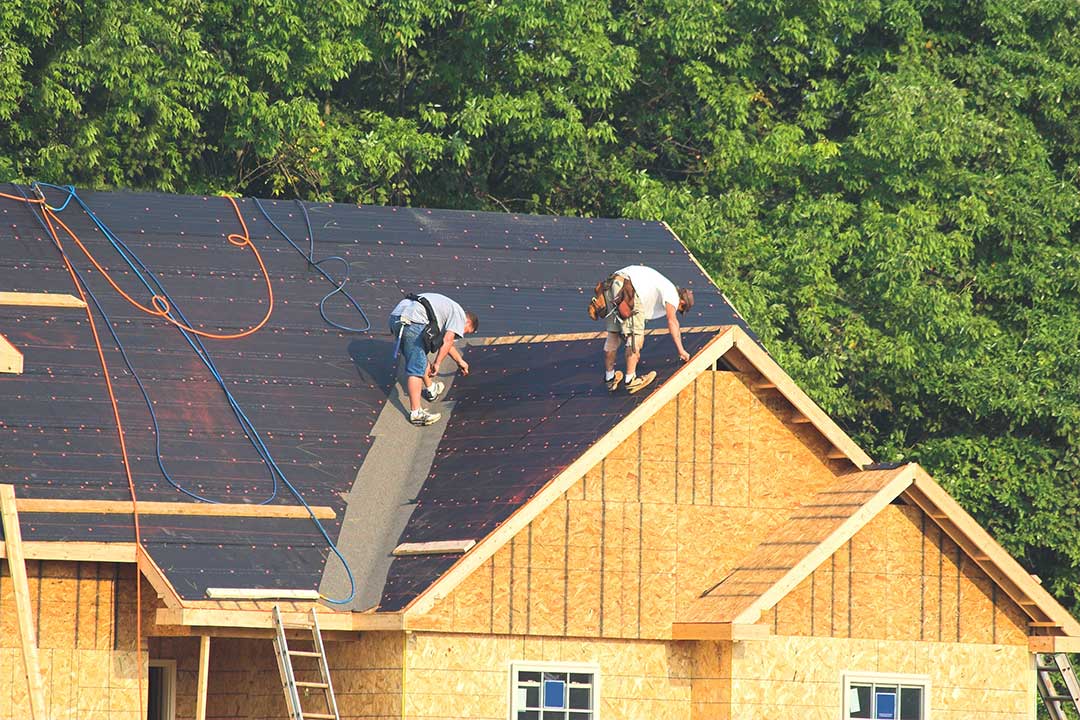
A roof coating is more likely to make sense when:
- The roof deck is sound
- Leaks are limited, understood, and repairable
- Drainage works properly
- The existing roofing material is compatible with the coating
- Seams and flashing can be prepared and reinforced
- The roof has enough remaining service life to justify restoration
- The coating can be applied during suitable weather
Low-slope roofs are often considered for coating because water-shedding membranes benefit from an additional seamless layer. Metal roofs may also be candidates if rust, fasteners, joints, and movement are addressed first.
Steep asphalt-shingle roofs are less straightforward. Some coatings are not appropriate for shingles because they can interfere with the intended release of moisture, trap heat or water, add unnecessary weight, or affect manufacturer warranties. A product marketed as suitable for one roofing material should not automatically be assumed suitable for another.
Do roof coatings stop leaks?
They may help seal minor surface defects, but they should not be treated as a general leak solution.
A leak can originate several feet away from the interior stain. Common sources include flashing, valleys, roof penetrations, wall transitions, clogged drainage paths, failed sealants, and damaged decking. Coating over these areas without correcting the cause can leave hidden moisture in place.
If a roof has active leaks, sagging, soft decking, recurring interior staining, or visible mold, the underlying cause needs to be identified before any coating decision is made. Walking on a questionable roof can also create a safety hazard, particularly when surfaces are wet, icy, or steep.
What should homeowners compare before choosing a coating?
The product label is only one part of the decision. Useful questions include:
- Is the coating compatible with the existing roofing material?
- What surface preparation is required?
- Does the system require primer, reinforcing fabric, or multiple coats?
- What temperature and weather conditions are needed?
- How does it perform under repeated freezing and thawing?
- How will drains, edges, flashing, and penetrations be treated?
- Does application affect the existing roof warranty?
- What maintenance is expected after installation?
A coating should be evaluated as part of the entire roof assembly, not as a standalone paint-like product.
For many properties, the practical choice is between maintenance, restoration, and replacement. Roof coating can fit the restoration category when the existing system is stable but needs additional protection. It is a poor fit when the roof has widespread deterioration, persistent moisture problems, or defects that require rebuilding.
