
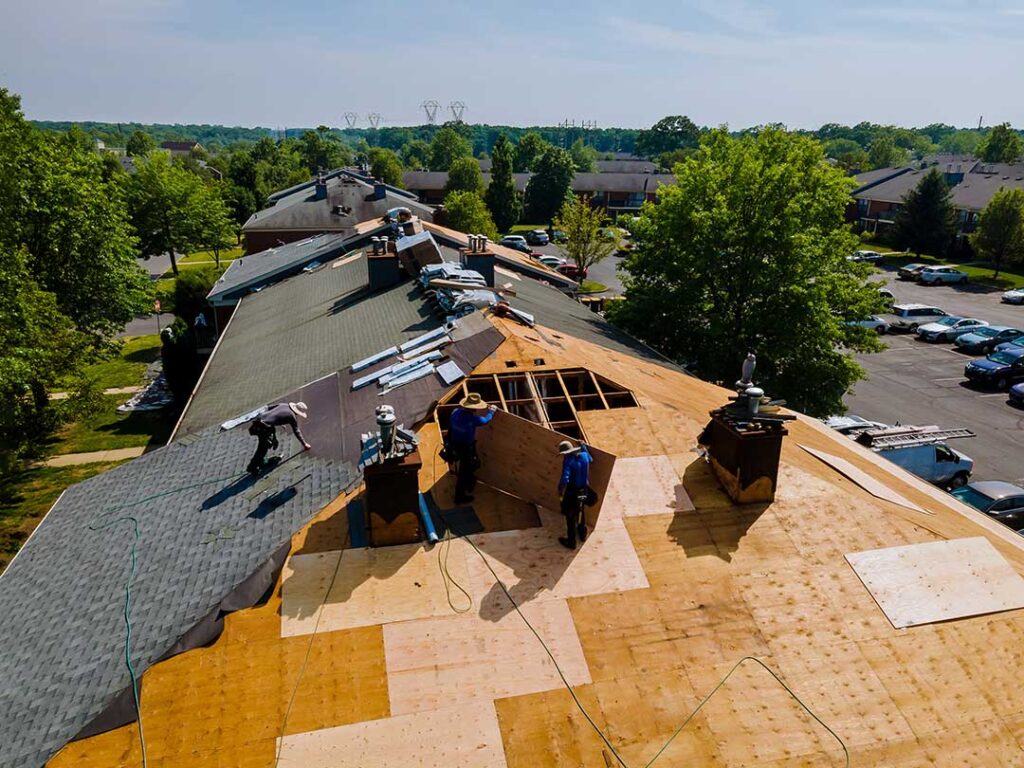
A new roof can improve a home’s value by reducing visible risk, improving buyer confidence, and protecting the structure from moisture damage. The financial benefit is rarely equal to the full installation cost, but a well-timed roof replacement can make a property easier to sell and prevent roof-related problems from weakening its market position.
Does a new roof increase home value?
Usually, yes—but the effect depends on the roof’s condition, the local housing market, the quality of the work, and the age and design of the home.
A roof that is clearly worn, leaking, sagging, or near the end of its expected service life can make buyers worry about much more than shingles. They may also question the condition of insulation, sheathing, ceilings, attic ventilation, framing, and interior finishes. Replacing the roof can remove that uncertainty.
A newer roof often adds value in three related ways:
- It improves the home’s overall condition.
- It reduces the chance of an immediate major repair.
- It makes the property more appealing during inspections and negotiations.
The strongest value increase generally occurs when a roof replacement corrects a significant deficiency. A roof that is already in good condition may add less market value than a failing roof that is replaced before listing.
How much of the replacement cost is recovered?
Homeowners should not assume that a new roof will return every dollar spent. Remodeling projects commonly provide a partial return rather than a full reimbursement at resale, and the amount varies from one property to another.
The financial result depends on factors such as:
- Whether the old roof was visibly failing
- The size and complexity of the roof
- The materials selected
- Local buyer expectations
- The home’s price range and age
- Whether the replacement addresses other underlying problems
- How soon the property is sold after the work is completed
A replacement may have a strong practical return even when the direct resale return is lower than the project cost. Avoiding a large buyer credit, a delayed closing, or a failed inspection can preserve value that is difficult to measure in a simple price comparison.
Why does roof condition matter during a home sale?
Roof condition is one of the first exterior issues buyers notice, even when they cannot identify every technical problem. Stained ceilings, missing shingles, exposed underlayment, moss growth, uneven roof lines, or damaged flashing can make the entire property appear less carefully maintained.
During a sale, a roof near the end of its service life may lead to:
- Requests for repairs or a price reduction
- A buyer asking for a credit at closing
- Delays while roof documentation is reviewed
- Difficulty obtaining suitable property insurance
- A buyer choosing another home with fewer immediate expenses
A new roof does not guarantee a higher offer. It can, however, reduce reasons for a buyer to discount the property or question its overall upkeep.
Is replacing the roof before selling always a good idea?
No. Replacement before selling makes the most sense when the roof is damaged, leaking, unusually old, or likely to become a major inspection issue. It may not be financially sensible when the roof is serviceable and buyers in the area are unlikely to pay more for a recently completed replacement.
Homeowners should consider the roof’s actual condition rather than its age alone. A roof that is several years old may still perform well if it has been properly installed and maintained. Conversely, a newer roof can have problems if ventilation, flashing, drainage, or installation details were overlooked.
For a home that may be listed soon, useful questions include:
- Are there active leaks or signs of previous water entry?
- Has wind or winter weather damaged roofing materials?
- Are flashing and penetrations properly sealed?
- Is the attic showing moisture, mold-like staining, or poor ventilation?
- Will the roof’s condition be obvious in listing photographs or during a buyer inspection?
- Would repair solve the problem, or is deterioration spread across the roof?
A written record of maintenance and repairs can also help buyers understand what has been done and when.
How does Ithaca’s climate affect roof-related value?
Ithaca experiences cold winters, snow, freeze-thaw cycles, heavy rainfall, and periods of high humidity. These conditions place repeated stress on roofing materials, flashing, drainage systems, and roof edges.
Snow and ice are not automatically signs that a roof has failed, but seasonal conditions can expose weaknesses. Repeated freezing and thawing may enlarge small cracks or loosen seals. Ice buildup near roof edges can contribute to water backing up beneath roofing materials. Heavy rain can reveal problems around chimneys, skylights, wall intersections, valleys, and poorly maintained gutters.
Because of these conditions, buyers may pay close attention to:
- Signs of past leaks in attic spaces and upper-floor ceilings
- Roof drainage and gutter performance
- Flashing around penetrations and transitions
- Ventilation that helps manage attic moisture
- Evidence of storm damage or repeated patching
- Whether the roof design appears suited to snow and rainfall
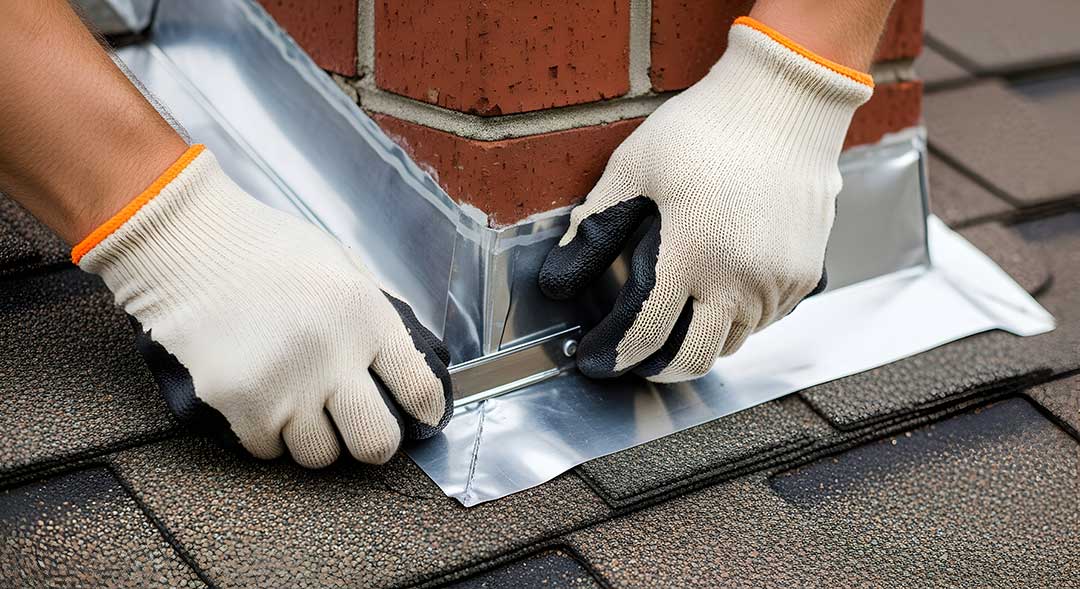
A roof replacement that includes proper attention to ventilation, flashing, drainage, and underlayment may offer more value than a cosmetic covering that leaves underlying problems unresolved.
Does a new roof improve energy efficiency?
A new roof can support better energy performance, but roofing materials alone are not a complete energy upgrade. Heat loss in winter is often influenced more by attic insulation, air sealing, ventilation, windows, doors, and heating equipment.
Roof work may improve efficiency when it includes corrections such as:
- Replacing damaged or compressed insulation
- Sealing air leaks between the living space and attic
- Improving balanced attic ventilation
- Repairing areas where moisture has reduced insulation performance
- Addressing gaps around roof penetrations
These improvements can make the home more comfortable and may reduce energy waste. However, homeowners should be cautious about claiming major energy savings from a roof replacement unless insulation and air-sealing conditions have also been evaluated.
Which roof improvements matter most to buyers?
Buyers tend to value reliability more than decorative features. A roof that sheds water properly and has clear maintenance documentation is usually more meaningful than a high-cost material selected mainly for appearance.
Value-supporting improvements often include:
- Correcting active leaks
- Replacing deteriorated flashing
- Repairing damaged roof decking
- Improving drainage
- Addressing attic moisture
- Installing materials appropriate for the roof’s slope and exposure
- Keeping permits, warranties, invoices, and inspection records
The roof should also look consistent with the home. An expensive upgrade that appears out of place may not produce the same benefit as a durable, well-installed system that matches the property’s age, architecture, and neighborhood expectations.
Can a roof replacement prevent a lower appraisal?
A new roof can help an appraisal by improving the property’s condition and reducing deferred maintenance, but it does not automatically raise the appraised value by the exact amount spent.
Appraisers generally consider the home as a whole, including location, size, layout, condition, comparable sales, and features that buyers are actually paying for. A roof replacement is more likely to support value when it brings the property up to the condition of competing homes or prevents the property from being viewed as needing substantial repairs.
Documentation is useful. Keep records showing the date of installation, materials used, permits when applicable, warranties, repairs to underlying decking, and any ventilation or drainage improvements. Clear records help establish that the work was completed and may reduce uncertainty during the sale process.
What is the most practical approach for homeowners?
The practical goal is not to install the most expensive roof. It is to maintain a watertight, properly detailed roof that fits the home and avoids preventable concerns during ownership or resale.
For many households, the best timing is before a small issue becomes structural damage. Regular visual checks from the ground, attic inspections when safe, prompt attention to leaks, and maintenance of drainage systems can help identify problems early.
A roof replacement can contribute to home value, but its greatest benefit is often less dramatic: protecting the property, preserving buyer confidence, and preventing a known weakness from becoming a negotiating problem.
