
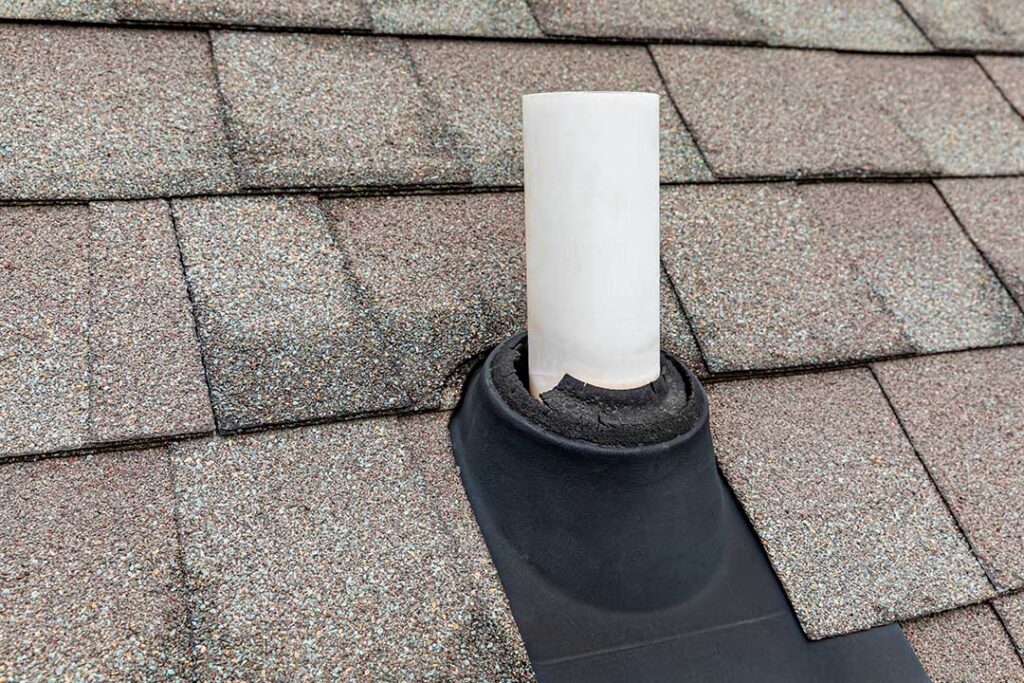
A typical asphalt shingle roof lasts about 15 to 30 years, but the actual service life depends on the roofing material, installation quality, ventilation, maintenance, and exposure to weather. In Ithaca, NY, repeated snow, ice, wind, rain, and freeze-thaw cycles can shorten the useful life of a roof compared with a milder climate.
A roof’s advertised warranty is not the same as a guaranteed replacement date. A “30-year” shingle may perform well for that long under favorable conditions, while another roof may develop serious problems much sooner because of poor ventilation, storm damage, trapped moisture, or installation defects.
What is the typical lifespan of common roofing materials?
The roofing material has a major influence on how long the system can remain watertight.
- Basic asphalt shingles: Often last about 15 to 20 years.
- Architectural asphalt shingles: Commonly last about 20 to 30 years when properly installed and maintained.
- Metal roofing: Frequently lasts 40 to 70 years, depending on the type of metal, coating, fasteners, seams, and exposure.
- Wood shakes or shingles: Often last about 20 to 30 years, though moisture, shade, insects, and maintenance can change that range considerably.
- Slate, clay, or concrete tile: May last 50 years or longer, but the supporting structure and individual pieces still require inspection and repair.
These ranges describe general expectations, not guarantees. A roof that is well maintained but exposed to heavy tree debris may age faster than a roof of the same material in a more open location.
Why can Ithaca roofs age faster than expected?
Local weather places repeated stress on roofing materials. Snow can remain on a roof for extended periods, while alternating warm and cold weather creates expansion and contraction in shingles, flashing, sealants, and the roof deck.
Freeze-thaw cycles are particularly relevant. Water enters small cracks or exposed areas, freezes, expands, and gradually enlarges the opening. This process can affect shingles, metal flashing, masonry around chimneys, and roof penetrations.
Ice dams are another concern during winter. They can form when heat escapes into a cold attic and melts snow on the upper roof. The water may refreeze near the colder eaves, creating a ridge that interferes with drainage. Water can then move beneath shingles and enter the roof assembly.
The amount of shade around a home also matters. Tree cover can keep a roof damp for longer periods, encourage moss or algae growth, and allow branches to scrape against shingles. Falling limbs and repeated contact from smaller branches may cause damage even when no major storm has occurred.
Does a 30-year shingle really last 30 years?
Not necessarily. The number used to describe a shingle generally reflects a product rating or warranty category rather than a firm prediction of service life.
Actual performance depends on several conditions:
- Whether the roof deck was dry and sound before installation
- Whether flashing was properly installed around chimneys, walls, valleys, vents, and skylights
- Whether the attic has adequate insulation and balanced ventilation
- Whether the roof receives direct sun, deep shade, or frequent debris
- Whether severe wind, hail, ice, or falling branches caused hidden damage
- Whether the roof has been walked on improperly or altered for other work
A roof may still appear acceptable from the ground while its seal strips, underlayment, flashing, or roof deck are already deteriorating. Conversely, an older roof may continue performing adequately if its materials and supporting structure remain in good condition.
What are the clearest signs that a roof is nearing the end of its life?
Visible aging does not always mean immediate failure, but several warning signs deserve attention.
Look for shingles that are:
- Curling, buckling, cracking, or missing granules
- Missing, loose, or lifted after wind
- Bare around the edges or in areas of concentrated wear
- Covered with heavy moss or persistent organic debris
- Uneven because the roof deck beneath them may be weakening
Inside the home, watch for:
- Water stains on ceilings or upper walls
- Damp insulation in the attic
- Daylight visible through the roof deck
- Musty odors or signs of mold
- Peeling paint near the ceiling
- Drips that appear after snow, wind-driven rain, or ice buildup
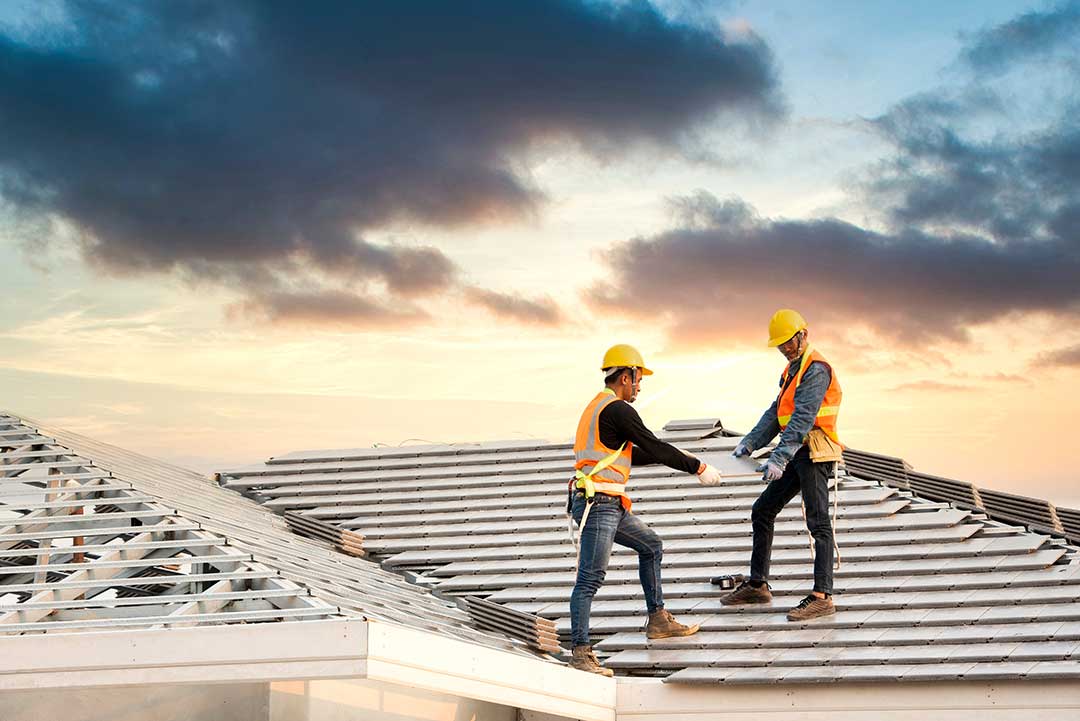
Flashing and roof penetrations deserve special attention because they often fail before the field shingles. A small leak around a vent, chimney, or valley can cause substantial damage if moisture remains hidden in insulation or wood framing.
How does attic ventilation affect roof life?
Proper attic ventilation helps manage heat and moisture. Without adequate airflow and insulation, warm indoor air can reach the underside of the roof deck, where it may condense during cold weather. Persistent moisture can contribute to mold, wood decay, rusty fasteners, and weakened sheathing.
Ventilation also helps reduce excessive heat buildup in warmer months. Asphalt shingles naturally expand and contract as temperatures change, and extreme or repeated temperature swings contribute to aging.
Ventilation should not be viewed as simply adding more openings. Intake and exhaust openings need to work together, and air leaks from the living space should be controlled. Blocking soffit vents with insulation or storing items against ventilation paths can reduce the system’s effectiveness.
Can roof maintenance extend its service life?
Routine maintenance can help a roof reach the upper part of its expected lifespan, although maintenance cannot reverse advanced deterioration.
Useful steps include:
- Keep leaves, branches, and other debris from collecting in valleys and behind roof penetrations.
- Keep nearby branches trimmed so they do not scrape the roof or shed heavy debris onto it.
- Check gutters and downspouts so water can drain away from the roof edge.
- Look for loose flashing, exposed fasteners, damaged vent covers, and missing shingles after major storms.
- Inspect the attic periodically for damp insulation, staining, or daylight.
- Avoid pressure-washing asphalt shingles, which can remove protective granules and cause premature wear.
Snow removal from a roof can be hazardous and may damage shingles if done incorrectly. Walking on an icy or snow-covered roof also creates a serious fall risk. In hazardous conditions, inspection or repair may require someone with appropriate safety equipment and training.
Is a roof replacement needed as soon as it reaches its expected age?
Age alone does not determine whether replacement is necessary. A 20-year-old roof with sound shingles, dry decking, intact flashing, and no active leaks may have useful life remaining. A much newer roof with storm damage, poor drainage, or installation problems may need significant work sooner.
The decision should consider the roof’s condition as a system rather than focusing only on the shingles. Important questions include:
- Is water entering the building?
- Are repairs isolated or spread across multiple roof areas?
- Is the roof deck still structurally sound?
- Are flashing and penetrations functioning properly?
- Has the roof experienced repeated repairs?
- Would another repair reasonably restore reliable protection?
For area households, the most useful approach is to track the installation date, keep records of repairs, and inspect the roof after significant wind, heavy snow, or ice events. That information provides a clearer basis for planning than a warranty label or a visual guess from the driveway.
