

Seasonal roof maintenance is less about performing major work every few months and more about noticing small problems before rain, snow, wind, and temperature changes make them worse. In Ithaca, NY, roofs commonly face repeated freeze-thaw cycles, wet snowfall, strong winds, leaf buildup, and periods of heavy rain. A seasonal inspection routine helps protect the roof covering, attic, gutters, insulation, and interior ceilings.
What should be checked before each season?
Before spring, summer, fall, and winter, walk around the property from the ground and look for visible changes. A pair of binoculars can help inspect higher roof areas without climbing.
Look for:
- Missing, cracked, curled, or visibly loose shingles
- Dark areas that may indicate moisture or damaged roofing materials
- Sagging roof lines or dips in the roof surface
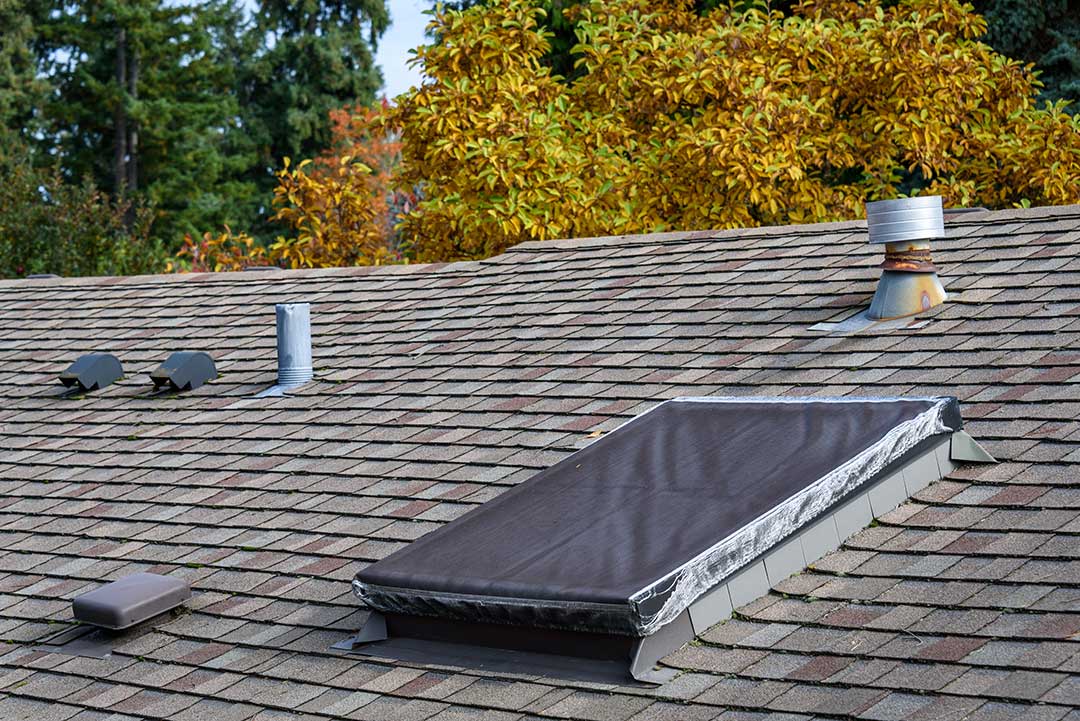
- Loose or damaged flashing around chimneys, vents, skylights, and wall intersections
- Gutters pulling away from the roof edge
- Downspouts that are bent, disconnected, or directing water toward the foundation
- Moss, algae, leaves, branches, or other debris collecting on the roof
- Water stains on ceilings, upper walls, or around attic penetrations
Interior signs matter just as much as exterior ones. Check the attic after heavy rain or a rapid snowmelt for damp insulation, daylight through the roof deck, musty odors, wet wood, or small water trails. A leak may appear indoors several feet away from the point where water entered.
How should a roof be prepared for spring?
Spring maintenance should focus on winter damage and water drainage. Snow and ice can loosen flashing, damage gutters, expose weak shingle areas, and enlarge small openings around roof penetrations.
After winter, inspect:
- Shingles for cracks, lifting, or loss of protective granules
- Metal flashing for gaps, rust, or separation
- Gutters for dents, sagging, and packed sediment
- Downspouts for ice damage or disconnected joints
- Fascia and soffits for rot, staining, or pest openings
- Attic insulation for dampness or compressed areas
Clean leaves, twigs, and sediment from gutters and confirm that water flows freely through each downspout. Downspouts should discharge water far enough away from the foundation to prevent repeated saturation near basement walls.
Spring is also a useful time to check for ice-dam damage. Ice dams form when melting snow refreezes near the colder roof edge. They can force water beneath roofing materials and into walls or ceilings. If staining appeared during winter, do not assume the problem has ended simply because the snow is gone.
What roof maintenance is useful during summer?
Summer is the best season for close visual inspection because the roof is usually free of snow and ice, and most surfaces are dry. However, hot roofing materials can be slippery and uncomfortable to walk on, so ground-level inspection is often safer.
Check for damage caused by:
- Winter expansion and contraction
- Spring storms and falling branches
- Wind-lifted shingles
- Hail or debris impact
- Animal activity around vents and roof edges
- Deteriorated sealants around roof penetrations
Inspect the attic on a warm day. Excessive heat and moisture can shorten the life of roofing materials and contribute to mold or wood decay. Proper attic insulation reduces heat transfer from the living space, while adequate ventilation helps release warm, humid air.
Do not block soffit vents with insulation. Do not cover ventilation openings with stored items. Bathroom and kitchen exhaust fans should discharge outdoors through properly sealed ducts rather than into the attic.
Summer is also a good time to trim branches that scrape against the roof or overhang it heavily. Branches can abrade shingles, drop debris into gutters, and provide animals with access to roof edges. Pruning work near utility lines or unstable trees presents a separate safety hazard and should not be attempted casually.
How can homeowners prepare a roof for fall?
Fall maintenance is mainly about keeping water moving before freezing weather arrives. Ithaca receives substantial seasonal precipitation, and leaves can accumulate quickly around roof valleys, gutters, dormers, and chimney areas.
Before sustained freezing temperatures:
- Remove leaves and organic debris from gutters and roof drainage areas
- Check that gutter guards, if present, are not packed with fine debris
- Secure loose downspouts and extensions
- Look for exposed fasteners or failed sealant around penetrations
- Inspect flashing where roof planes meet walls
- Confirm that attic insulation and ventilation remain in good condition
- Check ceilings and upper walls for stains that appeared after summer storms
Roof valleys deserve special attention because they collect runoff from multiple roof sections. Leaves and small branches can form a dam in a valley even when the rest of the roof appears clean.
Avoid pressure washing shingles. High-pressure water can remove protective granules and force water beneath roofing materials. Moss should not be scraped aggressively, since scraping can damage the surface. The safest cleaning method depends on the roofing material and the extent of growth.
What should be done before and during winter?
Winter preparation should be completed before repeated snow and ice accumulation begins. The main concerns are heavy snow loads, ice dams, falling branches, blocked drainage, and hidden leaks.
Before winter, check that:
- Gutters and downspouts are clear
- Flashing and roof penetrations are intact
- Attic air leaks have been addressed
- Insulation is evenly distributed and dry
- Roof access points, such as attic hatches, close tightly
- Large dead branches near the roof have been removed safely
- Previous leak stains have been repaired rather than merely painted
After a major storm, inspect the roof from the ground. Watch for excessive snow accumulation, unusual sagging, new cracks, separated gutters, or large ice formations. Snow loads can become especially concerning when several storms occur close together, when wet snow follows lighter snow, or when snow drifts against higher roof sections.
Do not climb onto an icy roof or chip ice from the roof edge. Do not use salt or other chemicals that may damage roofing, metal, plants, or masonry. Roof raking from the ground may be appropriate for some low-slope sections, but tools must be used carefully to avoid damaging shingles or striking people, windows, vehicles, and utility lines.
If a roof shows structural sagging, severe leakage, or signs that snow and ice are creating an immediate hazard, keep people away from the area and arrange for qualified assistance. Safety takes priority over routine maintenance.
How often should gutters and downspouts be cleaned?
For many homes, gutters should be checked in spring and again in late fall. Properties beneath mature trees may require additional checks after major wind events or during periods of heavy leaf drop.
A gutter can look partly open while still draining poorly because fine sediment settles beneath surface debris. During a controlled hose test, water should move toward the downspout without pooling in the gutter. Water should also exit the bottom of the downspout rather than backing up at a joint.
Gutters are part of the roof drainage system, not merely an exterior trim feature. Poor drainage can contribute to foundation moisture, icy walkways, rotted fascia, soil erosion, and water entering at the roof edge.
Which roof problems need prompt attention?
Some symptoms should not wait for the next seasonal inspection:
- Active dripping or spreading ceiling stains
- Water entering near electrical fixtures
- A visibly sagging roof or ceiling
- Large sections of missing roofing
- Torn or displaced flashing
- Ice dams accompanied by interior leakage
- Gutters detached after a storm
- Tree limbs resting on the roof
- Strong musty odors or wet attic insulation
Temporary measures such as placing a container beneath a drip may limit interior damage, but they do not correct the source. Avoid covering electrical fixtures or using ladders on wet, icy, or unstable surfaces.
A maintenance calendar with spring, summer, fall, and winter checks is usually enough to catch many developing problems. The most useful habit is to compare what the roof looks like now with what it looked like during the previous season, paying close attention to new stains, movement, drainage changes, and damage after storms.
