
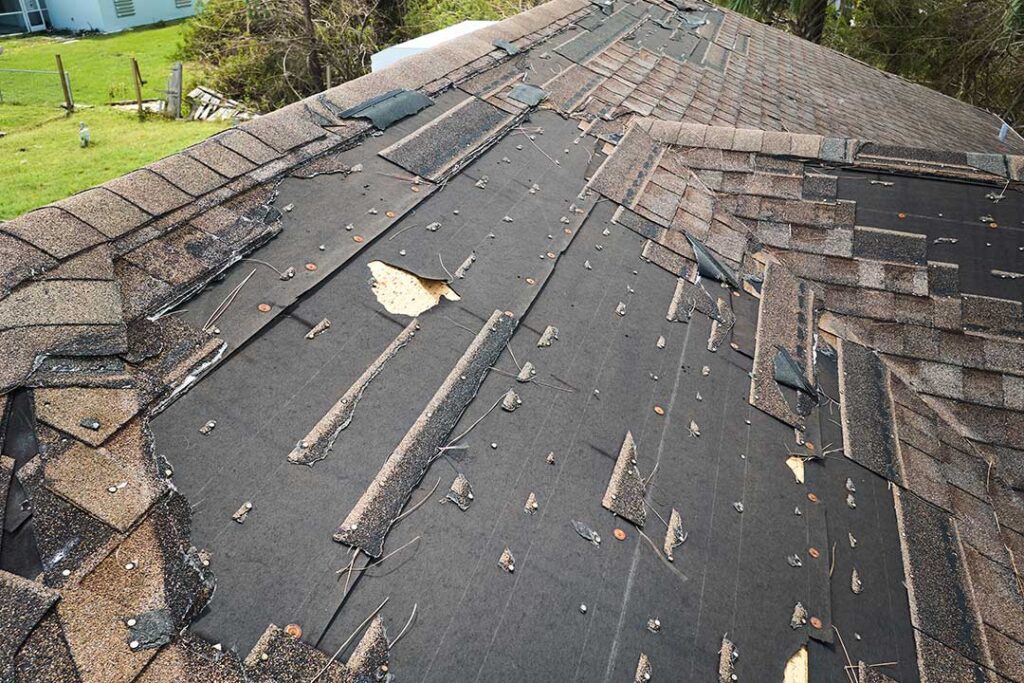
Roof decking is the structural surface beneath a roof’s underlayment and shingles. It connects the roof covering to the rafters or trusses, helps distribute weight, and provides the base that keeps the roof assembly flat and secure.
For homeowners in Ithaca, NY, understanding roof decking is useful because repeated snow, freeze-thaw cycles, wind, and moisture can affect this hidden part of the roof long before damage is visible from the ground.
What is roof decking?
Roof decking, also called roof sheathing, is the layer of boards or panels installed over the roof framing. The roofing underlayment and outer covering are placed above it.
Modern homes commonly use structural plywood or oriented strand board, often called OSB. Older houses may contain solid wood boards installed individually across the rafters. Some older roof decks use boards that are wider, irregularly spaced, or weathered from decades of exposure.
The decking performs several jobs:
- It creates a continuous surface for shingles or other roof coverings.
- It helps transfer the weight of snow, roofing materials, and maintenance activity to the rafters or trusses.
- It contributes to the roof’s resistance to wind uplift.
- It helps keep the roof plane aligned and properly supported.
- It can provide a limited amount of structural stiffness to the roof assembly.
Roof decking is not the same as the visible ceiling inside a home. The attic floor and ceiling materials are separate parts of the building structure.
Why does roof decking deteriorate?
The most common cause of decking damage is moisture. Water may enter through damaged shingles, deteriorated flashing, an improperly sealed roof penetration, or an ice dam. If the leak continues, the decking can absorb water and begin to swell, soften, stain, or decay.
Other causes include:
- Condensation from inadequate attic ventilation or warm, moist air leaking into the attic
- Long-term exposure around chimneys, skylights, roof valleys, and plumbing vents
- Repeated wetting and drying during seasonal weather changes
- Insects or fungal decay in persistently damp wood
- Excessive foot traffic on panels that were not designed for concentrated loads
- Damage from fallen branches or other impact
Snow itself does not usually rot roof decking. The greater concern is the combination of snow, ice, wind, and moisture entry. Heavy snow can also reveal weak areas by increasing the load on already damaged or undersized materials.
What does damaged decking look like?
Some decking problems are visible only after the roof covering is removed, but certain warning signs can appear inside the home or attic.
Possible indicators include:
- Water stains or brown discoloration on attic-side wood
- Soft, crumbly, or punky areas
- Dark fungal growth or a persistent musty odor
- Sagging between rafters or trusses
- Swollen edges between plywood or OSB panels
- Roof surfaces that appear uneven from the ground
- Shingles that seem wavy, depressed, or poorly supported
- Repeated leaks in the same general location
A single stain does not always reveal the exact source of a leak. Water can travel along rafters, roof boards, insulation, or other surfaces before becoming visible. Likewise, a dry area today may still show evidence of an earlier problem.
Is roof decking replaced during a roof replacement?
Roof decking is not automatically replaced every time a roof covering is replaced. Its condition must be assessed after the old roofing materials are removed, because the decking is largely hidden during a normal exterior inspection.
Sound decking may remain in place if it is:
- Firm and structurally intact
- Properly attached to the framing
- Free from significant rot or delamination
- Able to hold fasteners securely
- Relatively flat and suitable for the planned roof covering
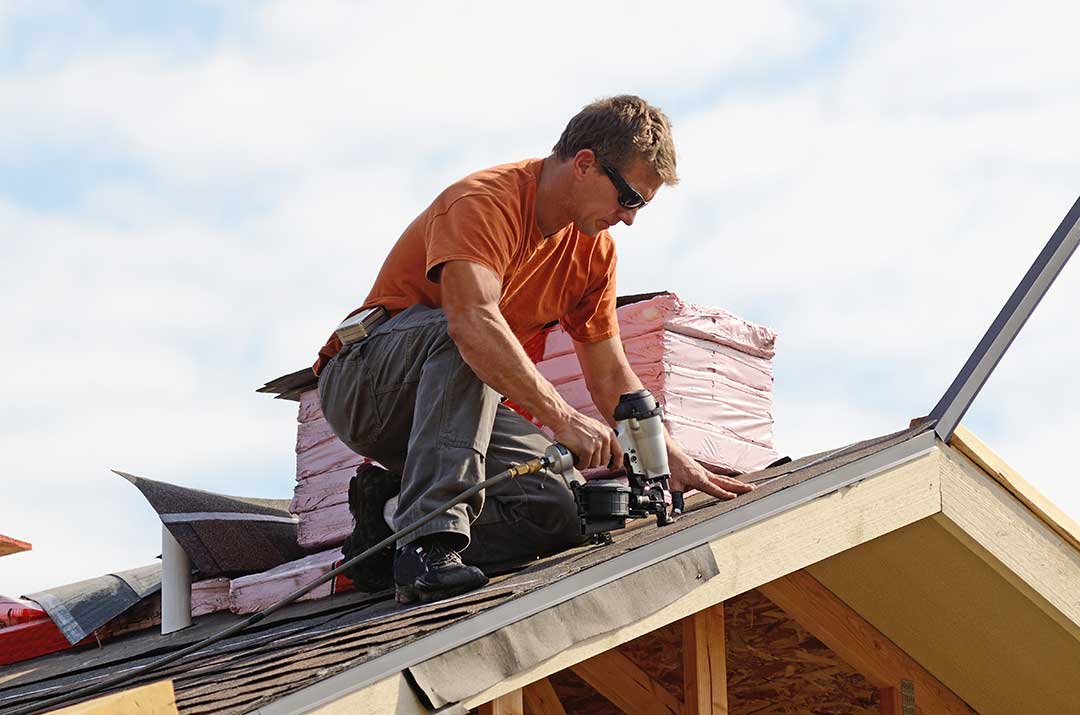
Sections that are soft, broken, badly swollen, or unable to hold nails generally need to be removed and replaced. In some cases, only isolated panels or boards are affected. More extensive deterioration may require larger sections of the roof deck to be rebuilt.
A roof can look acceptable from the street while still having localized decking damage near a valley, eave, chimney, or roof edge.
What is the difference between plywood, OSB, and plank decking?
Plywood is made from thin wood layers bonded together with their grain directions crossed. It is generally stable and commonly used for roof sheathing.
OSB is made from compressed wood strands bonded into panels. It is also widely used as structural roof sheathing. Proper installation, edge support, fastening, and moisture control matter more than assuming one panel type is always suitable.
Plank decking consists of individual boards rather than large panels. It is common in older construction and may remain serviceable for many decades. However, boards can split, cup, crack, or develop gaps. If a new roof covering requires a more continuous surface, additional sheathing or selective board replacement may be needed.
The correct material depends on the existing structure, panel thickness, rafter spacing, roof design, local building requirements, and the roofing material being installed.
How do Ithaca weather conditions affect roof decking?
Seasonal moisture is a major consideration for local homes. Snow accumulation can remain on roof slopes, while freeze-thaw cycles can move water into small openings and cause ice-related damage near eaves. Wind-driven rain can also test flashing and roof penetrations.
Older housing stock may have several layers of past repairs, mixed decking materials, or ventilation arrangements that do not match current construction practices. Attics with insufficient insulation or air sealing can develop condensation when warm indoor air reaches cold roof surfaces.
Roof decking performs best when the entire roof assembly manages moisture effectively. That includes sound flashing, appropriate underlayment, adequate attic ventilation, and insulation that limits warm air movement into the attic.
Can damaged roof decking be repaired from inside the attic?
Minor surface staining or a small, accessible defect may sometimes be evaluated from the attic, but structural decking repairs are usually performed from above. The roof covering and underlayment must often be removed to reach the affected material correctly.
Covering a damaged area from below does not restore the roof’s exterior weather barrier and may conceal an active leak. Likewise, painting over stained wood does not repair loss of strength.
Because roof work involves fall hazards and structural loading, areas that are soft, sagging, actively leaking, or difficult to access should not be treated as a routine do-it-yourself inspection.
How can homeowners reduce decking problems?
The most useful prevention steps are regular observation and moisture control.
- Look in the attic after major storms or during periods of heavy snow and thawing.
- Watch for stains, damp insulation, odors, or daylight around roof penetrations.
- Keep attic air leaks and excessive indoor humidity under control.
- Make sure bathroom and kitchen exhaust is vented outdoors rather than into the attic.
- Pay attention to recurring leaks, even if they appear small.
- Avoid storing heavy materials directly on attic decking unless the framing is designed for that load.
- Treat roof-edge ice buildup as a warning sign rather than simply removing the visible ice.
Roof decking is easy to overlook because it sits beneath the materials people see. Yet its condition affects the stability, weather resistance, and service life of the entire roof. Understanding its role helps homeowners recognize why a roof inspection may uncover repairs that were not apparent from the ground.
