
Roof access can look routine from the ground, but even a short inspection involves fall, weather, ladder, electrical, and structural hazards. For homeowners in Ithaca, NY, seasonal snow, ice, rain, wind, and steep rooflines make careful planning especially important.
The safest approach is often to inspect roofing conditions from the ground or from an upper window rather than climbing onto the roof. If roof access is unavoidable, the conditions, equipment, and task should be evaluated before anyone climbs.
Is it safe for a homeowner to get on the roof?
A homeowner should avoid roof access during wet, icy, snowy, windy, or otherwise unstable conditions. Asphalt shingles, metal panels, moss, and damp roof surfaces can become slippery with little warning.
Before considering a climb, check:
- Whether the roof is dry and free of frost, snow, leaves, and loose debris
- Whether wind could affect balance or move a ladder
- Whether the roof has a steep pitch, multiple levels, skylights, or fragile materials
- Whether power lines, tree limbs, antennas, or other obstacles are nearby
- Whether someone else is present to stabilize the ladder and respond in an emergency
A roof that appears walkable may still have hidden weak spots, especially near chimneys, valleys, roof edges, skylights, and areas affected by long-term moisture. Never step on a surface that appears soft, sagging, cracked, or discolored.
How can homeowners inspect a roof without climbing?
Many routine checks can be completed safely from the ground. Binoculars or a camera with a zoom function may reveal missing shingles, lifted edges, damaged flashing, clogged drainage paths, or areas where moss and debris have accumulated.
Look for:
- Shingles that are missing, curled, cracked, or visibly displaced
- Dark patches that may indicate moisture or prolonged dampness
- Sagging along the roofline or around roof penetrations
- Damaged gutters, downspouts, or sections pulling away from the structure
- Fallen branches or debris resting on the roof
- Water stains on ceilings, walls, or around attic openings
After heavy snow or strong wind, inspect the ground around the home for shingle pieces, metal flashing, or other roofing materials. Inside the attic, use a flashlight and watch for damp insulation, daylight through the roof deck, or fresh staining. Do not press on questionable areas.
What is the safest way to use a ladder?
A ladder should be placed on firm, level ground away from ice, mud, loose gravel, and wet grass. The area above and below the ladder must remain clear of doors, vehicles, branches, and overhead electrical lines.
Before climbing:
- Inspect rails, rungs, feet, locks, and braces for damage
- Clean mud, oil, snow, and ice from the ladder and footwear
- Face the ladder while climbing and descending
- Keep three points of contact whenever possible
- Carry tools in a belt, shoulder bag, or hoist rather than in both hands
- Do not stand on the top step or the highest rung marked as unsafe
- Have another adult steady the ladder when conditions or height make that necessary
A ladder used to reach a roof edge must extend securely above the landing area and should be placed according to the manufacturer’s instructions. Do not improvise with stacked objects, makeshift supports, or a ladder resting on a gutter.
Ladders should not be moved while occupied. If the setup feels unstable before climbing, stop and change the setup rather than trying to compensate from the ladder.
How should someone move on a roof?
If roof access is necessary, wear footwear with clean, slip-resistant soles. Move slowly, keep your body facing the slope when practical, and avoid stepping backward. Never jump across roof sections, walk along the upper edge of a valley, or step on skylights and translucent panels.
Use extra caution around:
- Eaves and roof edges
- Valleys where water and debris collect
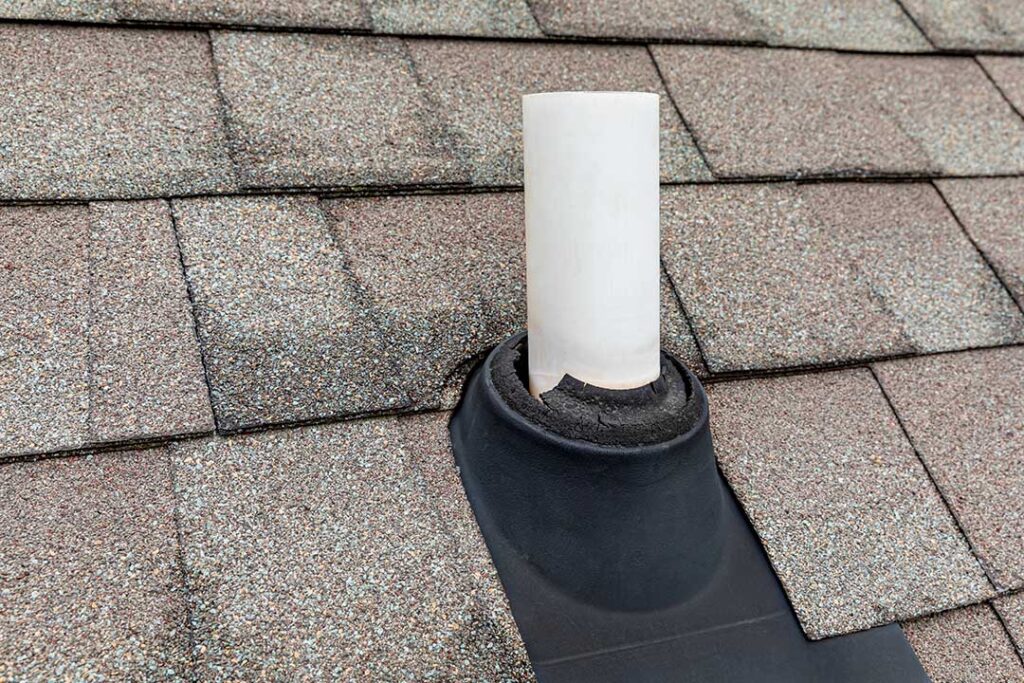
- Chimneys, vents, and plumbing penetrations
- Areas with moss, algae, or wet leaves
- Roof sections shaded from the sun
- Snow-covered surfaces where the roof edge and walking surface are hidden
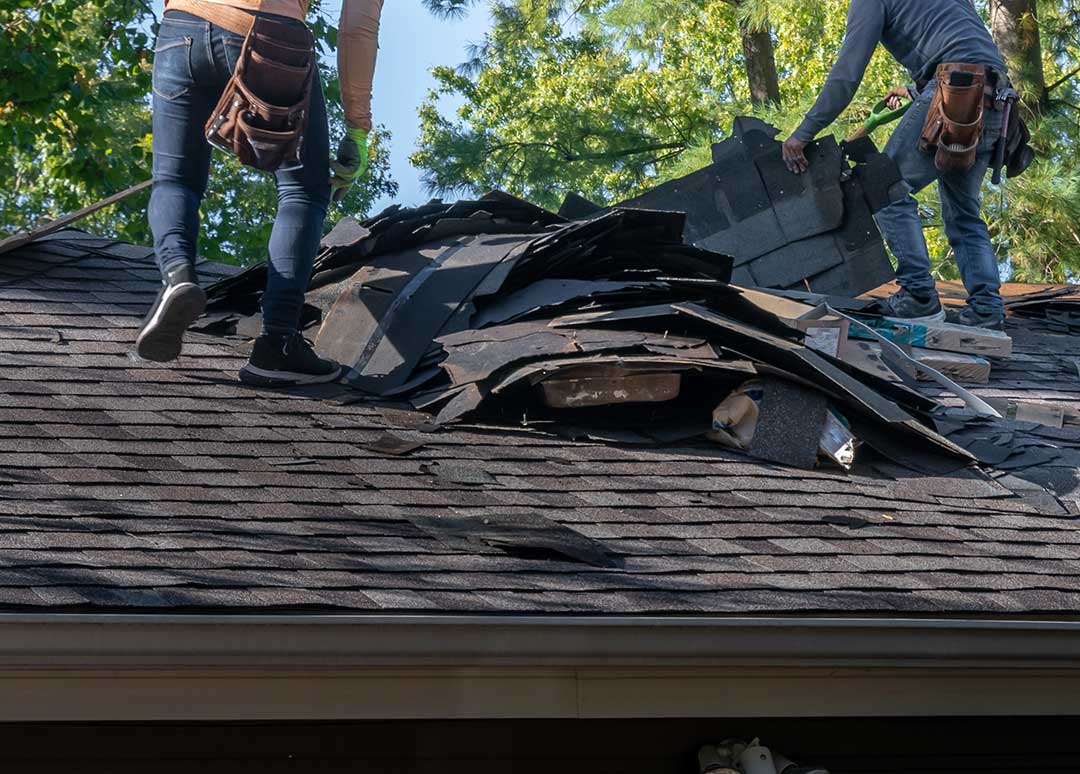
A roof harness or fall-arrest system is not automatically safe simply because it is being worn. Anchors must be appropriate for the structure, equipment must be compatible, and the system must be installed and used correctly. An improperly attached rope or anchor can create a false sense of security.
For steep roofs, elevated work, or repairs requiring both hands, a properly designed fall-protection setup is generally beyond ordinary household equipment. This is a situation where avoiding roof access is the safer decision unless the necessary protective system and knowledge are already available.
What seasonal hazards are common in Ithaca?
Winter weather creates several roof and ladder hazards. Snow can conceal roof edges, damaged shingles, skylights, and weak areas. Ice may form on shaded slopes, gutters, ladder feet, and walkways. Snow sliding from a roof can also injure people below or damage property.
After a snowstorm:
- Keep people and pets away from areas where snow or ice may slide
- Do not stand beneath roof edges while clearing gutters or examining damage
- Watch for ice buildup at eaves and downspouts
- Avoid climbing to remove snow unless the equipment and method are specifically suited to the task
- Check for interior leaks as snow begins to melt
Spring and fall bring different concerns. Wet leaves can make roof surfaces and ladders slippery, while freeze-thaw cycles can loosen flashing, crack masonry, and open small gaps around roof penetrations. Summer heat can make shingles soft underfoot and increase fatigue or dehydration.
How can tools and debris create danger?
Small roofing tasks can become hazardous when tools, nails, branches, or removed materials fall from above. Keep children, pets, and bystanders away from the area below any roof work. Mark the work zone clearly and avoid leaving tools where they can slide toward an edge.
Do not use a roof as a storage area for loose materials. Secure lightweight items before wind develops, and place hand tools where they cannot roll or slide. Magnetic sweepers can help locate fallen nails on the ground, but they do not replace a careful visual cleanup.
Power tools require additional care. Keep cords away from wet surfaces and roof edges, and never work near overhead electrical lines. If a task involves cutting, grinding, or handling old roofing materials, use appropriate eye, hand, and respiratory protection based on the material and the work.
When should a homeowner stay off the roof?
Stay off the roof when there is snow, ice, rain, strong wind, poor visibility, darkness, structural damage, or any uncertainty about the surface. Avoid climbing alone, especially when using an extension ladder or inspecting a multi-level roof.
Professional assistance is warranted when the roof is steep, damaged, unstable, difficult to access, or requires fall-protection equipment. It is also prudent when a suspected leak is near electrical wiring, when a ceiling is sagging, or when storm damage may have weakened the roof structure.
The most useful homeowner safety habit is knowing the difference between observation and repair. Ground-level inspection, attic checks, photographs, and notes can provide valuable information without creating an unnecessary fall hazard.
