
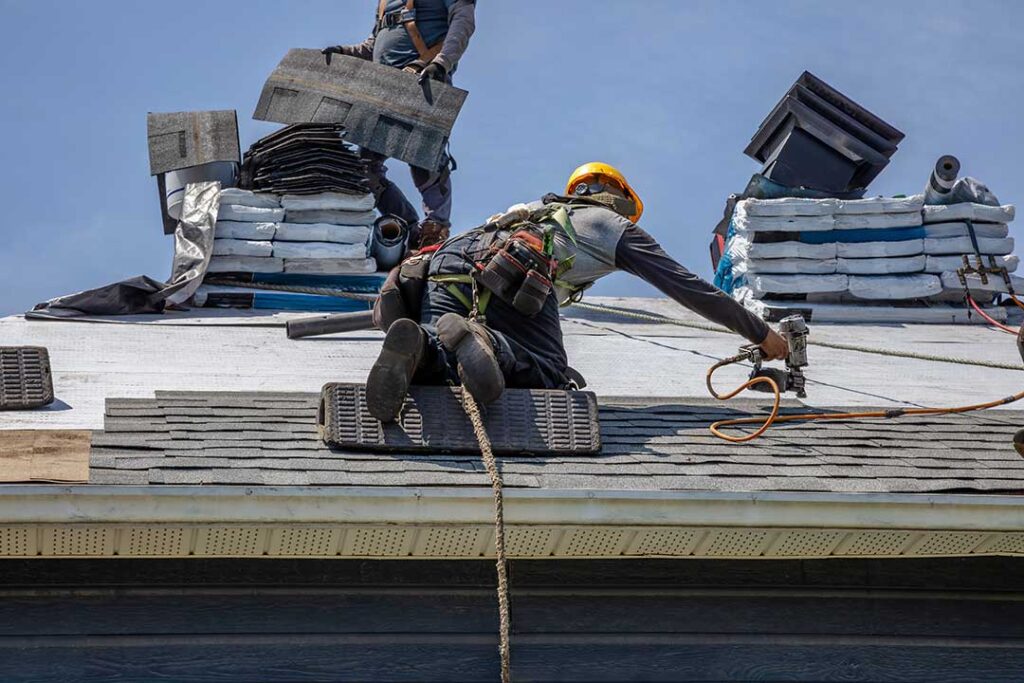
Rain on a roof can be soothing for some households, but heavy downpours may create sharp, repetitive noise indoors. The sound is usually strongest in rooms directly beneath the roof, especially where the roof covering sits over a shallow attic, finished ceiling, porch, or addition.
In Ithaca, NY, frequent rain, wet spring weather, summer thunderstorms, and occasional wind-driven precipitation can make roof noise a recurring household concern. The most effective solutions depend on where the sound is entering: through the roof covering, the attic, the ceiling assembly, windows, or nearby gutters and downspouts.
Why does rain sound loud on some roofs?
Roof noise is caused by the impact of water droplets and the way vibration travels through building materials. Thin, rigid surfaces tend to transmit more sound than heavier, layered assemblies.
Common reasons a roof may sound especially loud include:
- Metal roof panels that transmit impact noise directly into the roof framing
- A low-slope roof over a bedroom, office, or porch
- Little or no insulation above the ceiling
- An unfinished attic with exposed roof sheathing
- A vaulted ceiling with limited space for insulation
- Loose gutters, downspouts, flashing, or roof-edge metal
- Rain striking skylights, roof windows, or nearby exterior surfaces
- Hard interior finishes that reflect sound instead of absorbing it
A roof itself is not always the main source. Water falling into a gutter, striking a metal flashing edge, or hitting a lower roof section may create a louder and more localized sound than rainfall on the main roof surface.
Does roofing material affect rain noise?
Yes. Roofing material affects both the loudness and character of rain noise, but the rest of the roof assembly often matters just as much.
Metal roofing may sound louder when installed over open framing or a thin roof deck. However, a metal roof with solid sheathing, insulation, and a finished ceiling can be substantially quieter than an exposed metal surface over a porch or shed.
Asphalt shingles generally soften the sound of rainfall because their layered composition is less resonant than a bare metal panel. Even so, shingles do not eliminate noise if the roof has an uninsulated attic, a vaulted ceiling, or a thin ceiling finish.
Other factors include:
- The thickness and density of the roof deck
- Whether the roof has solid sheathing beneath the exterior covering
- The amount and type of insulation
- The number of ceiling layers
- The size and shape of the attic space
- The slope and exposure of the roof
- The intensity and direction of the storm
Replacing the roof covering solely to reduce noise is rarely the first step. Interior improvements and repairs to vibrating components may provide greater noise reduction with less disruption.
Can attic insulation make a roof quieter?
Adding or improving attic insulation is often one of the most practical ways to reduce rain noise. Insulation absorbs part of the sound energy and also reduces the open air space through which vibration travels.
For a traditional attic, insulation is typically placed at the attic floor, between or over the ceiling joists. This approach can reduce sound entering the living space while also improving energy efficiency.
In a finished room beneath a sloped roof, insulation must be located within the roof assembly. The available space may be limited, and ventilation requirements must be preserved so moisture does not become trapped against the roof deck.
Insulation works best when it is combined with air sealing. Small openings around wiring, plumbing, recessed lights, attic access panels, and ductwork can allow sound to pass through. Air sealing should be performed with materials suited to the location and required fire-safety clearances.
What ceiling changes help block rain noise?
A heavier, more airtight ceiling generally blocks more sound than a thin ceiling with gaps. In rooms where rain noise is persistent, the ceiling assembly may be improved by adding mass and reducing vibration.
Possible approaches include:
- Installing an additional layer of gypsum board below the existing ceiling
- Using sound-dampening compounds or resilient attachment methods as part of a properly designed assembly
- Sealing gaps around ceiling fixtures and trim
- Replacing a lightweight suspended ceiling with a denser, better-sealed surface
- Adding insulation above the ceiling where access is available
These changes are more involved than placing acoustic panels in a room. Decorative acoustic panels reduce echoes inside the room, but they do not block much outdoor noise by themselves. They are useful for reducing reverberation after the main sound path has been addressed.
How can gutters and downspouts create extra noise?
Loose or poorly supported drainage components can rattle, vibrate, or amplify the sound of flowing water. A gutter may tap against the fascia, while a downspout may bang against the wall during a heavy storm.
Check for:
- Loose gutter hangers
- Missing or damaged fasteners
- Downspouts touching siding or masonry
- Water dropping from a gutter outlet onto a lower roof
- A disconnected elbow or extension
- Debris causing water to overflow or strike metal edges
- Thin flashing that flexes during rainfall
A downspout that carries water through a wall cavity or is attached to a bedroom wall may transmit more sound indoors than expected. Proper fastening, stable connections, and controlled discharge can reduce rattling and impact noise.
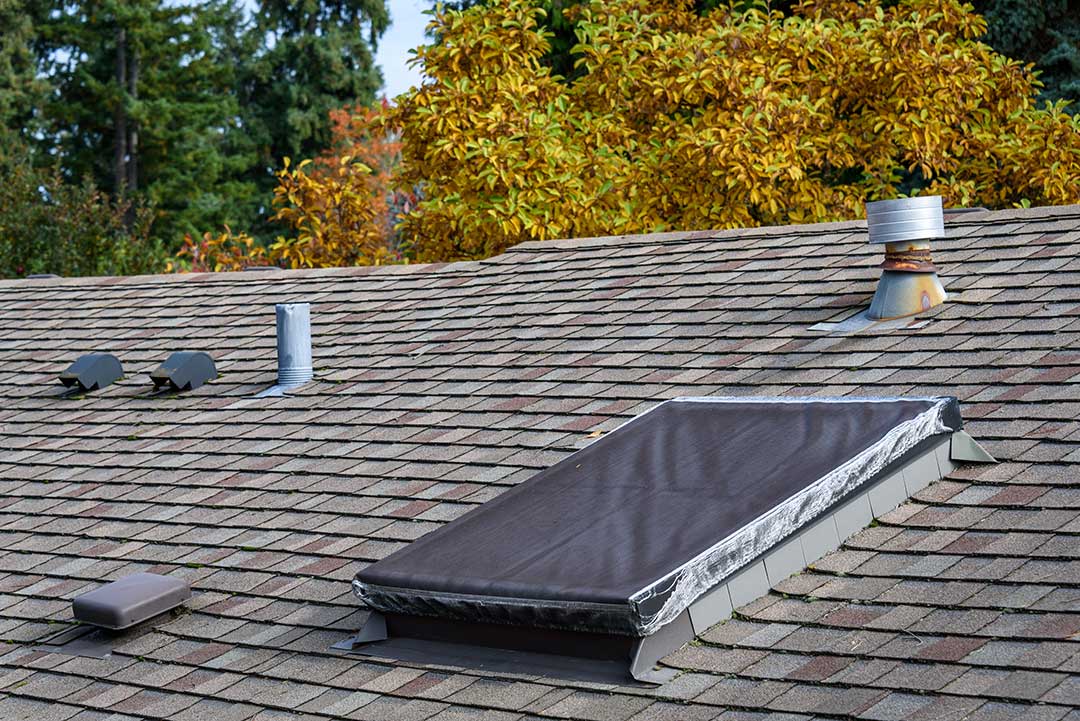
Do skylights and roof windows make rain louder?
Skylights and roof windows often make rainfall sound louder because their glazing or frame may transmit impact noise more directly than an insulated roof assembly. The effect is especially noticeable in bedrooms and rooms with vaulted ceilings.
Interior shades, blinds, or fabric coverings may soften reflected sound, although they do not fully block the impact at the exterior surface. If a skylight rattles, the frame, trim, flashing, or surrounding ceiling may need inspection. Do not block required drainage paths or alter the skylight assembly in a way that could cause leaks or condensation.
The same principle applies to roof vents and other penetrations. A loose cover or damaged component may create a tapping sound that is mistaken for general roof noise.
What low-cost steps can reduce the sound indoors?
Several changes can make a room feel quieter without changing the entire roof:
- Close solid interior doors during storms.
- Use lined curtains or cellular shades over windows and skylights.
- Add rugs, upholstered furniture, and other soft furnishings to reduce echoes.
- Move beds or desks away from the wall directly beneath a noisy downspout.
- Check that attic access panels fit tightly and have insulation.
- Secure loose trim, vents, and accessible drainage components.
- Use white noise or a fan if the remaining sound is intermittent rather than structural.
These measures work mainly by reducing echo and secondary vibration. They are most useful when the roof is sound but the room has hard surfaces that make rainfall seem louder.
When does rain noise suggest a roof problem?
Rain noise alone does not mean a roof is failing. However, a sudden change in sound, repeated tapping in one location, or noise accompanied by staining, dripping, musty odors, sagging, or visible movement deserves attention.
During or after heavy rainfall, watch for:
- Water marks on ceilings or walls
- Damp insulation in the attic
- Dripping near chimneys, skylights, or roof valleys
- Rusted fasteners or wet roof sheathing
- Gutters pulling away from the roof edge
- A downspout or flashing component that moves in the wind
- Ice-related damage or displaced roof materials after winter weather
Do not climb onto a wet or icy roof to investigate. Roof surfaces become particularly hazardous during rain, and attic inspections should be done only where footing and electrical clearances are safe.
What is the most effective overall approach?
The best solution is usually a combination of source control and sound isolation. First identify whether the noise comes from the roof surface, attic, ceiling, skylight, gutter, or downspout. Then address loose exterior components before adding interior sound-control materials.
For many homes, the practical sequence is:
- Repair rattling gutters, downspouts, flashing, or vents.
- Improve attic insulation and air sealing where appropriate.
- Check vaulted-ceiling insulation and ventilation details.
- Add ceiling mass or interior sound-absorbing materials if noise remains.
- Investigate leaks, moisture, or structural movement separately from ordinary rain noise.
Older housing, additions, porches, and converted attic spaces may have different roof assemblies under the same property. That is why the quietest solution can vary from room to room, even during the same storm.
