
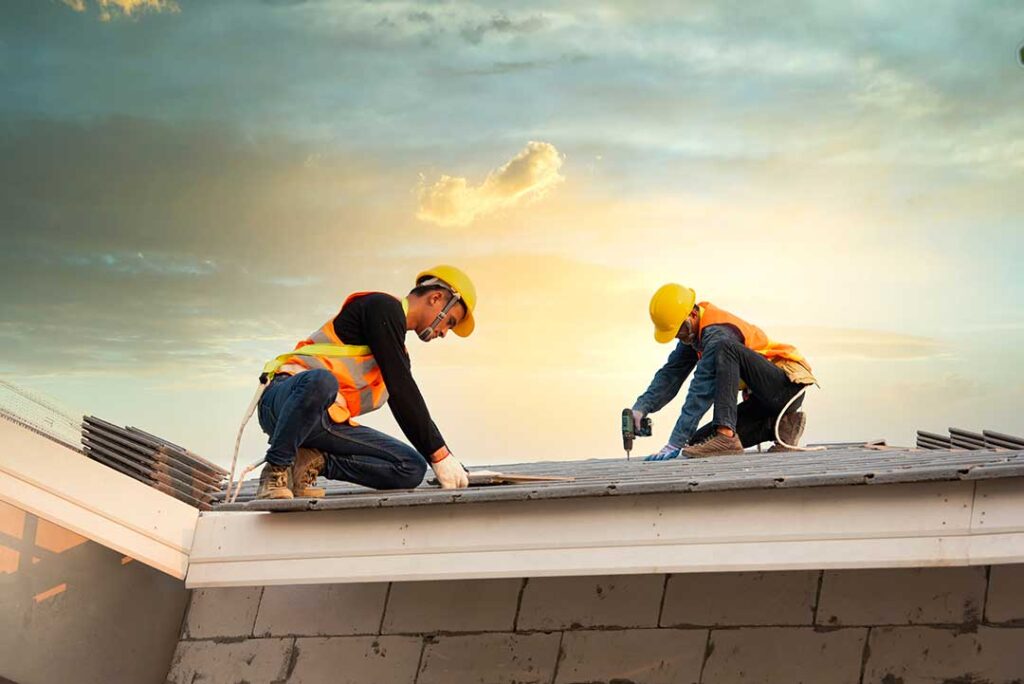
Sun exposure is a normal part of a roof’s job, but years of ultraviolet radiation, heat, and repeated temperature changes can slowly weaken roofing materials. In Ithaca, NY, the effects are shaped by seasonal conditions: bright summer sunlight, snow reflection, freeze-thaw cycles, and periods of shade from trees or nearby buildings.
A roof does not usually fail because of sunlight alone. More often, sun exposure accelerates aging that is also influenced by moisture, wind, ventilation, installation quality, and the type and color of the roofing material.
What does sunlight do to roofing materials?
Sunlight affects a roof in two main ways: ultraviolet radiation breaks down exposed surfaces, and solar heat causes materials to expand and contract.
Ultraviolet radiation can gradually alter the chemical structure of asphalt, synthetic membranes, sealants, and some coatings. Over time, this may lead to:
- Fading or discoloration
- Drying and loss of flexibility
- Surface cracking
- Brittle sealants
- Shrinking or curling materials
- Faster loss of protective granules on asphalt shingles
Heat adds another form of stress. Roofing materials warm during the day and cool after sunset. Repeated expansion and contraction can loosen fasteners, open small gaps around flashing, and place stress on seams and joints.
These changes usually develop slowly. A roof may appear serviceable while its protective margin is gradually decreasing.
Why are south- and west-facing roof areas often affected first?
Roof sections that receive the strongest afternoon sunlight often age faster than shaded sections. In the Northern Hemisphere, south-facing slopes generally receive substantial sunlight across the year, while west-facing slopes can experience intense afternoon heat during summer.
That does not mean every south- or west-facing roof needs replacement sooner. Trees, neighboring structures, roof pitch, snow cover, and the roof’s color all change how much solar energy reaches the surface.
Uneven aging is common. One slope may still have strong-looking granules while another shows fading, exposed underlayment, or dried sealant. This is one reason a roof should be viewed from several angles rather than judged from a single visible section.
How does sun exposure affect asphalt shingles?
Asphalt shingles are especially sensitive to long-term ultraviolet exposure because the asphalt layer and protective granules work together to resist weather.
The granules on the surface help shield the asphalt from sunlight and provide some resistance to impact and weathering. As shingles age, granules may loosen and collect in gutters or at downspout outlets. Some granule loss is normal, especially after installation, but widespread loss can leave the asphalt more exposed.
Signs of sun-related aging may include:
- Shingles that look unusually faded compared with nearby sections
- Small cracks or splits in the exposed shingle surface
- Curling edges or lifted corners
- Brittle tabs that break rather than flex slightly
- Dark or bare-looking areas where granules are missing
- Deteriorated sealant lines between shingle tabs
Sun damage can be difficult to separate from general weathering. Wind, ice, falling branches, and poor attic ventilation may produce similar symptoms.
Does a darker roof get hotter?
Yes. Darker roofing surfaces generally absorb more solar heat than lighter surfaces, although the actual temperature also depends on roof pitch, ventilation, material composition, cloud cover, and the amount of shade.
A hotter roof surface does not automatically mean a shorter service life. Roofing products are designed to tolerate normal solar heating. However, higher surface temperatures can increase heat movement into the attic and contribute to greater expansion and contraction.
Roof color can also affect indoor comfort. If attic insulation and ventilation are limited, solar heat entering through the roof may make upper rooms warmer during sunny weather. Improving insulation and air sealing often has a greater effect on comfort than focusing on roof color alone.
Can trees protect a roof from sun damage?
Trees can reduce direct sunlight and keep portions of a roof cooler, but shade introduces other concerns. Leaves, needles, twigs, and organic debris can hold moisture against roofing materials. Overhanging branches may scrape the surface or drop limbs during storms.
Persistent shade can also slow drying after rain or snowmelt. In a climate with humid summers and winter freeze-thaw conditions, damp materials may experience more biological growth and moisture-related deterioration.
The practical issue is balance. A roof does not need to be exposed to full sun to perform well, but it should have enough airflow and drainage to dry normally. Branches that touch the roof or deposit heavy debris deserve attention regardless of whether they provide shade.
What role does snow reflection play?
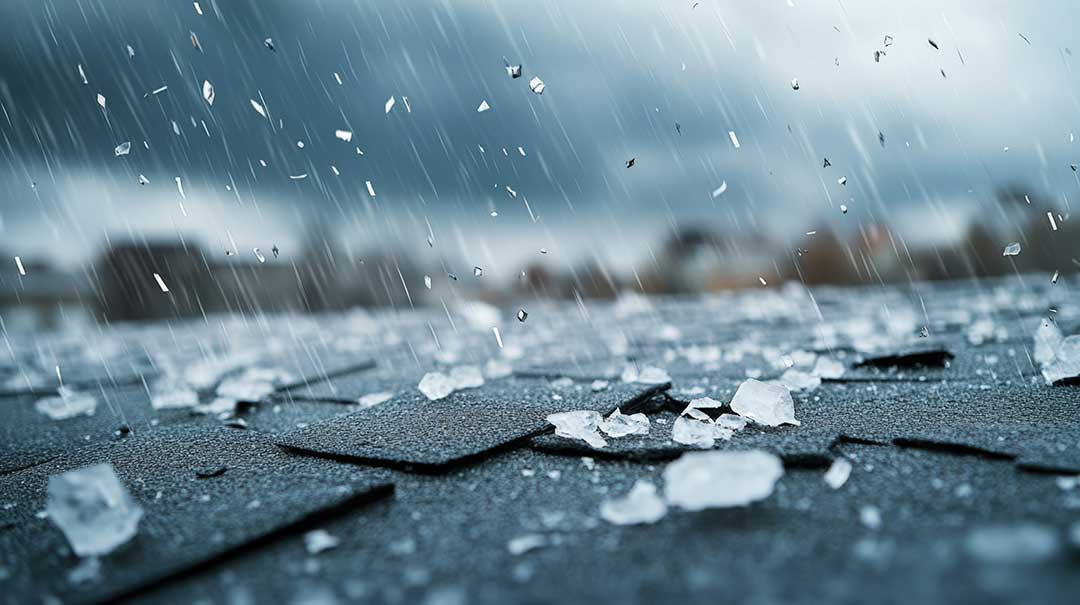
Snow can reflect sunlight back toward a roof, increasing the amount of ultraviolet exposure on bright winter days. This is usually not a primary cause of roof failure, but it contributes to the total amount of radiation a roof receives over its lifetime.
Winter conditions also add other stresses. Snow and ice can cover roof surfaces, enter small cracks during melting, and refreeze when temperatures drop. The combination of solar warming and cold air can create uneven melting, particularly on roofs with limited insulation or ventilation.
A sunny winter day may warm one section of a roof while shaded areas remain frozen. That uneven cycle can contribute to ice formation at colder roof edges and place additional strain on shingles, flashing, and gutters.
How can homeowners tell whether sun exposure is causing damage?
The most useful approach is to look for patterns rather than a single symptom. Compare roof sections with different sun exposure and check whether damage is concentrated on one slope.
Warning signs include:
- Noticeably different color or texture between roof planes
- Cracked, curled, or brittle shingles
- Exposed underlayment or roof decking
- Deteriorated flashing sealant around chimneys, vents, or wall intersections
- Granules accumulating in gutters beyond ordinary seasonal debris
- Interior staining near upper walls or ceilings
- Attic areas that are excessively hot, damp, or musty
A roof inspection from the ground can identify many visible concerns, but walking on an aging or steep roof can damage shingles and create a fall hazard. If the roof has fragile materials, visible structural sagging, active leaks, or difficult access, evaluation should be handled by someone equipped for roof safety.
Can roof ventilation reduce sun-related problems?
Proper attic ventilation can help release heat and moisture, but it does not prevent the roof surface from receiving sunlight. Its main function is to moderate attic conditions and support drying.
A balanced system typically allows air to enter through lower intake areas and leave through higher exhaust areas. Blocked soffit vents, insufficient insulation, or poorly placed exhaust vents can leave hot air trapped beneath the roof deck.
Ventilation is not a cure for damaged shingles. It also should not be added randomly, since poorly designed changes can allow snow, rain, or conditioned indoor air to move into places where it does not belong.
Does sun exposure mean a roof needs replacement?
No. Sun exposure is one factor in roof aging, not a replacement deadline by itself. A roof’s condition depends on its material, installation, age, ventilation, drainage, storm history, and maintenance.
A roof with moderate fading but intact shingles may continue performing normally. A roof with severe granule loss, brittle shingles, open seams, or recurring leaks may need more immediate attention even if it does not look dramatically faded.
For area households, the most reliable habit is periodic visual review after major weather changes and before winter. Look for uneven aging, keep gutters from becoming clogged, and document changes with dated photographs. That information can help distinguish gradual sun-related wear from sudden damage caused by wind, ice, or falling branches.
