
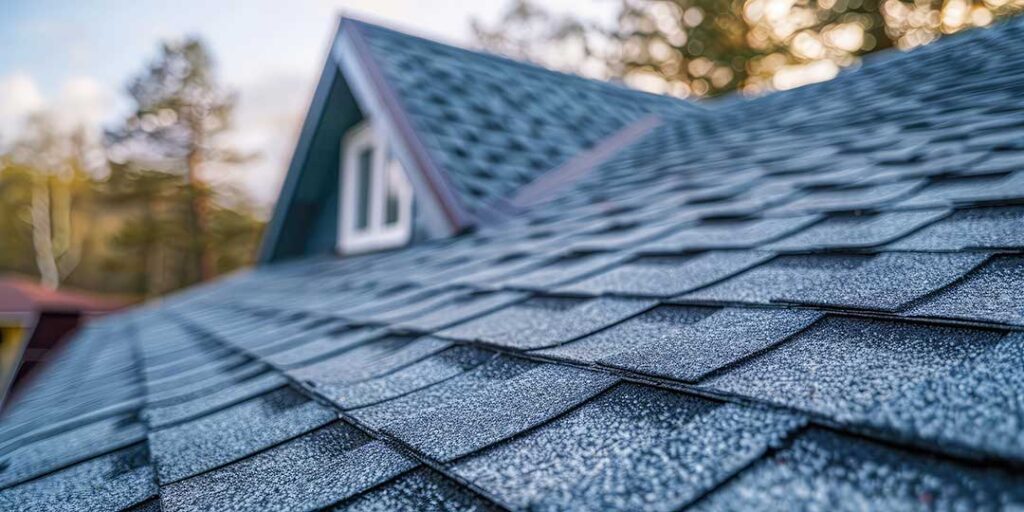
Walking on a roof is possible in limited situations, but it is never as safe as working from the ground. Roofs can be steep, fragile, wet, icy, or weakened by age. In Ithaca, NY, changing weather, freeze-thaw cycles, wind, and seasonal moisture can make a roof surface hazardous even when it appears dry and stable.
For many household tasks, such as checking a vent, retrieving an item, or looking at storm damage, the safest choice is to avoid stepping onto the roof. A ground-level inspection, attic inspection, or view from a properly positioned ladder may provide enough information without creating a fall hazard.
Is it safe for a homeowner to walk on a roof?
It may be reasonably safe only when the roof is low-sloped, dry, structurally sound, free of debris, and accessed with proper equipment. Even then, a fall from a residential roof can cause severe injury.
Do not walk on a roof if any of these conditions are present:
- Rain, frost, snow, ice, or visible dampness
- Strong wind or rapidly changing weather
- Moss, algae, leaves, pine needles, or loose granules
- A steep pitch or narrow roof section
- Damaged, sagging, cracked, or soft decking
- Skylights, roof hatches, solar equipment, or other openings
- Loose shingles, exposed fasteners, or unstable flashing
- Power lines near the ladder or roof edge
- Poor visibility, especially near dusk or during winter
A roof can be slippery even when it does not look wet. Shingles may hold moisture in shaded areas, and metal roofing can become slick from light condensation. Frost and thin ice are particularly difficult to see.
What should be checked before stepping onto a roof?
Begin from the ground. Look for sagging roof lines, missing shingles, lifted flashing, damaged gutters, and areas where the roof covering appears uneven. Check the attic, if accessible, for water stains, daylight through the roof deck, damp insulation, or signs of structural movement.
The roof should not be walked on if the structure appears compromised. A soft spot may indicate deteriorated decking beneath the roof covering. Stepping on that area can cause a person to fall through the roof rather than simply slide off it.
Also inspect the surrounding area. Remove children, pets, and unnecessary equipment from the work zone. Identify where tools will be placed so they do not roll toward an edge. Keep the area below clear because roofing materials and tools can fall unexpectedly.
A roof inspection should be postponed if weather conditions are uncertain. In the local climate, a sunny morning may still leave shaded roof planes icy after a cold night. After a storm, wind-damaged materials may be unstable even if rain has stopped.
How should a ladder be positioned?
A ladder is often the first major fall hazard, before a person reaches the roof. Place it on firm, level ground rather than loose soil, wet grass, uneven pavers, or snow. The ladder should not rest on gutters, plastic surfaces, or temporary objects used to increase its height.
For an extension ladder, use a setup that creates a stable climbing angle and allows the ladder to extend above the roof edge. The upper ends should rest on a solid surface, not on loose shingles or fragile trim. A ladder may need to be secured to reduce sliding or sideways movement.
Keep both hands available while climbing. Carrying tools in your hands can interfere with balance, so use a tool belt, hoist line, or another method that keeps climbing surfaces clear. Maintain three points of contact whenever possible: two hands and one foot, or two feet and one hand.
Do not move or reposition a ladder while standing on it. Never climb above the manufacturer’s highest safe standing level, and do not use a ladder near overhead electrical lines.
What footwear and clothing are safest?
Wear clean, slip-resistant footwear with flexible soles and good tread. Shoes should be free of mud, oil, wet leaves, and loose gravel before climbing. Soft-soled work shoes may provide better grip than stiff boots, but no footwear makes an unsafe roof safe.
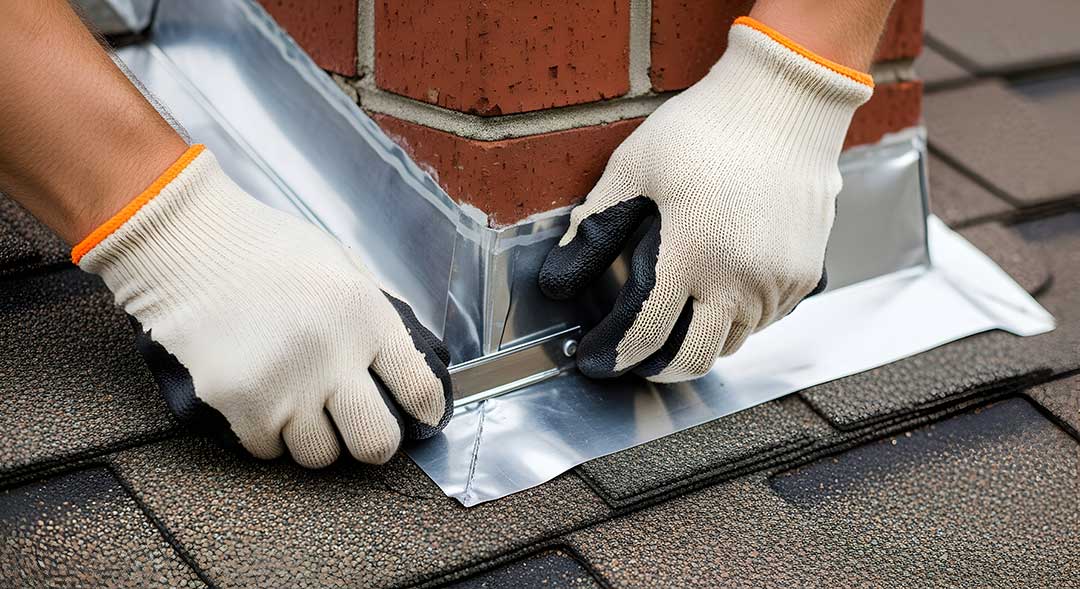
Avoid loose clothing, dangling cords, and anything that can catch on vents, flashing, branches, or ladder components. Gloves may protect hands from rough materials, but bulky gloves can reduce grip on a ladder. Eye protection can help when inspecting damaged shingles, clearing debris, or working around brittle materials.
Do not rely on sandals, smooth-soled shoes, or worn-out athletic shoes.
How should a person move across shingles?
Move slowly and deliberately. Face the roof surface while climbing and avoid turning sideways near an edge. Take short steps and keep your center of balance over your feet rather than reaching far to the side.
On asphalt shingles, step near the lower portion of the exposed shingle area where the roof deck is generally supported. Avoid stepping on raised tabs, curled edges, loose shingles, or areas with visible granule loss. Do not step directly on ridge caps, flashing, skylights, or plastic vent components unless the equipment is specifically designed to support foot traffic.
Spread your weight over the soles of your feet instead of concentrating it on a toe or heel. Avoid jumping, running, sliding, or carrying heavy objects while walking. If you lose balance, do not try to grab a gutter or vent; those components may pull loose or break.
A roof is not a normal walking surface. Even experienced workers can misjudge a slope, step on a weak section, or lose traction because of a small amount of moisture.
Can you walk on a metal, tile, or flat roof?
Roofing material changes the hazards, but no material removes them.
Metal roofs can be extremely slippery when wet, frosted, or dusty. They may also have concealed seams, exposed fasteners, and sharp edges. Tile and slate can crack under concentrated foot pressure, and broken pieces may create additional slip hazards.
Flat or low-sloped roofs are not automatically safe. They may contain hidden roof openings, brittle coverings, ponding water, loose gravel, or weak areas around drains and equipment. A low slope still has an edge, and a fall from a lower roof can cause serious injury.
Never assume that a roof is safe because it is nearly flat or because other people have walked on it before.
What fall protection is needed?
Anyone working several feet above a lower level needs a fall-protection plan appropriate to the roof and task. This may involve guardrails, a properly designed restraint system, a personal fall-arrest system, or other controls suited to the work.
A harness by itself does not prevent a fall. It must be connected to a suitable anchor with compatible equipment, correct clearance, and an arrangement that has been properly installed and inspected. Improvised anchors, plumbing vents, chimneys, gutters, and roof framing that has not been evaluated should not be treated as secure attachment points.
Fall-arrest equipment also creates a rescue concern. If someone falls and remains suspended, they may need prompt assistance. Working alone on a roof is therefore especially risky.
When should roof access be avoided completely?
Avoid roof access for routine household tasks when a ground-level alternative exists. Do not step onto a roof to clear snow, investigate a suspected leak during rain, remove ice, retrieve a ball, or inspect storm damage immediately after high winds.
If the roof is steep, damaged, icy, unfamiliar, or difficult to access, staying off it is the safest decision. Photographs taken from the ground, attic observations, and views from windows may provide useful information without exposing anyone to an unnecessary fall.
If a person falls, do not move them unless there is an immediate danger such as fire or electrical contact. Call emergency services, keep the area clear, and watch for signs of head, neck, back, or internal injury.
