
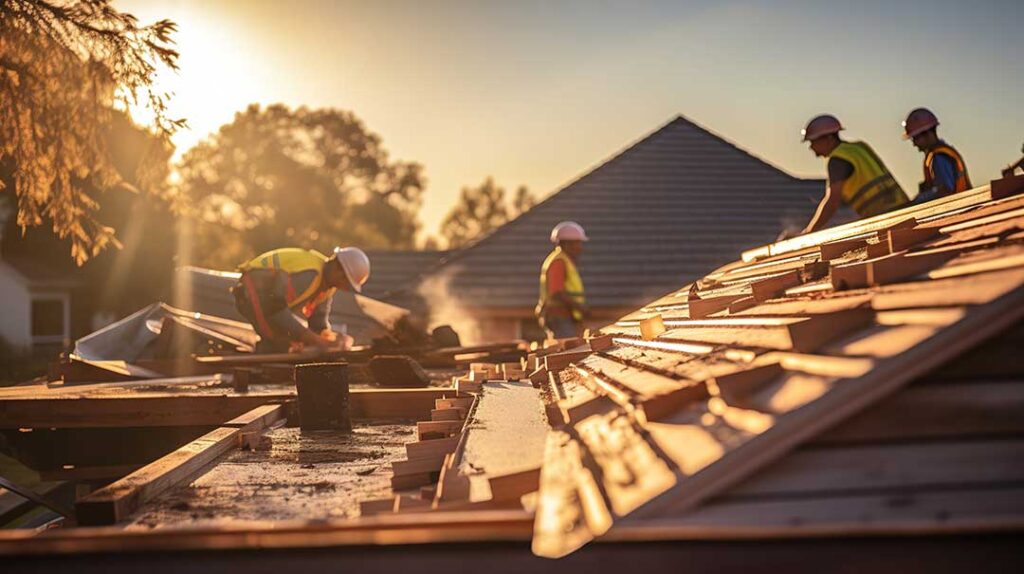
Replacing an old roof creates more than a pile of shingles. A typical tear-off may include asphalt shingles, roofing felt, metal flashing, nails, wood, plastic packaging, damaged sheathing, and sometimes older materials that require special handling.
In Ithaca, NY, some roofing materials can be recovered through construction and demolition debris facilities, while others must be handled separately. The most useful first step is to keep different materials separated instead of mixing everything into one load.
Which roofing materials can be recycled?
Asphalt shingles are the main roofing material considered for recycling. Clean, non-friable asphalt shingles and roofing paper may be accepted at registered construction and demolition debris facilities. Recovered shingles can be processed into material used in asphalt pavement or other construction applications, depending on the facility and available markets.
Other materials may have separate recycling or reuse routes:
- Metal flashing, gutters, drip edge, and aluminum components: These are commonly recyclable as scrap metal if they are reasonably free of roofing cement, insulation, and other debris.
- Clay, concrete, or slate roofing pieces: Unbroken pieces may have reuse value, while broken material may be accepted with masonry or aggregate at some facilities.
- Clean wood: Wood roof decking, blocking, or framing may be recyclable when it is untreated, unpainted, and free of nails or significant contamination. Acceptance varies.
- Cardboard and plastic packaging: These should be separated from construction debris and handled through the appropriate household or commercial recycling stream.
- Roofing felt and synthetic underlayment: Some facilities accept roofing paper with asphalt shingles, but synthetic products may not be accepted in the same load.
The word “recyclable” does not mean that every transfer station or recycling facility accepts the material. Facilities set their own rules based on permits, equipment, contamination limits, and current end markets.
How should old shingles be prepared?
Preparation affects whether shingles can be recovered. Before loading the material, remove as much contamination as practical and keep roofing debris in a dedicated pile.
Good preparation usually includes:
- Separating shingles from wood, plastic, insulation, and household garbage
- Removing large pieces of wood and loose sheathing
- Keeping metal flashing and gutters in a separate scrap-metal pile
- Removing excessive dirt, leaves, and mud
- Keeping shingles reasonably dry during storage and transport
- Checking for unusual materials before breaking or disturbing them
Small amounts of roofing nails generally remain with asphalt shingles because they can be removed during processing. Large quantities of loose metal, however, should be separated when possible.
Avoid placing shingles in curbside recycling bins. Curbside programs are designed for household containers, paper, and other approved recyclables—not bulky construction debris.
Can roofing materials go in the regular trash?
Some uncontaminated roofing debris may be accepted at a construction and demolition landfill or transfer facility, but regular household trash collection is generally not designed for a roof replacement. Shingles are heavy, awkward, and often subject to load-size or vehicle restrictions.
Before transporting material, confirm:
- Whether the facility accepts asphalt shingles
- Whether roofing felt or underlayment can be included
- Whether loads must be source-separated
- Whether there is a limit on the amount accepted
- Whether the facility accepts material from households or only commercial generators
- Whether a tarp, covered vehicle, or specific container is required
- Whether asbestos-containing or suspected asbestos-containing materials are prohibited
A facility that accepts concrete or ordinary household waste may not accept roofing shingles. Acceptance policies can also change seasonally or when storage capacity is limited.
What roofing materials require special caution?
The greatest concern is older roofing material that may contain asbestos. Asbestos was used in some roofing products, including certain shingles, felts, mastics, and cement-based materials. The risk is higher with older buildings and materials that appear unusual, brittle, layered, or heavily cemented.
Do not cut, grind, sand, break, or pressure-wash material that may contain asbestos. Friable asbestos waste is not handled as ordinary construction debris, and many recycling facilities will reject it. If the age or composition of a roofing product is uncertain, testing and regulated handling may be necessary before removal.
Other materials that should not be mixed with ordinary shingles include:
- Roofing debris contaminated with oils, solvents, or other chemicals
- Containers holding liquid or substantial residue
- Moldy or deteriorated materials that include household garbage
- Electrical components containing hazardous liquids
- Insulation or wall materials with possible hazardous contamination
A suspected hazardous material should remain isolated until the proper disposal requirements are known.
What happens to recycled asphalt shingles?
At an approved construction and demolition debris facility, asphalt shingles may be sorted, screened, and processed. Recovered asphalt and mineral aggregate can sometimes be incorporated into pavement-related products.
Recycling does not always mean that the old shingle becomes a new shingle. In many cases, its useful components are recovered for another construction purpose. The material must be clean enough and consistent enough for the facility’s processing system.
This is why sorting at the job site matters. A load containing excessive wood, garbage, insulation, or asbestos cannot be treated the same way as a source-separated load of uncontaminated asphalt shingles.
How can residents manage a small roofing project?
For a small repair, avoid creating a mixed pile that becomes difficult to classify. Place shingles in a sturdy container or covered area, keep metal separate, and protect the material from rain and runoff. Do not overload containers or leave loose shingles where wind can carry them into streets, storm drains, or neighboring properties.
During Ithaca’s wet seasons, covered storage is especially useful. Waterlogged shingles become heavier and harder to transport, while loose debris can spread during periods of wind or heavy rain. Snow and freeze-thaw conditions can also make temporary outdoor piles unstable.
For a do-it-yourself project, measure the amount of debris before choosing a disposal method. A few bundles from a repair may be manageable in a small container, while a full tear-off usually requires a larger construction-debris arrangement.
What should be done with reusable roofing materials?
Not every old roofing component is waste. Unbroken slate, clay tiles, architectural metal pieces, and sound dimensional lumber may be reusable if they are clean and safely removed. Reuse is most practical when materials are stacked carefully, protected from breakage, and kept separate from contaminated debris.
Reusable materials should not be offered for another project if their structural condition is uncertain or if they may contain asbestos, lead-based coatings, or other hazardous substances. Appearance alone is not enough to establish that an old product is safe.
What is the simplest recycling plan?
A practical plan for most roof tear-offs is:
1. Identify the roofing materials before removal.
2. Set aside anything that may contain asbestos or other hazardous substances.
3. Separate asphalt shingles and roofing paper from metal, wood, packaging, and garbage.
4. Keep reusable materials protected from damage.
5. Confirm acceptance rules with the intended facility before loading.
6. Transport the material in a covered, secure vehicle.
7. Keep receipts or facility records when the project involves a large load or regulated construction work.
The central rule is simple: source-separate roofing materials, verify the receiving facility’s requirements, and never treat suspected asbestos or contaminated debris as ordinary shingle waste.
