
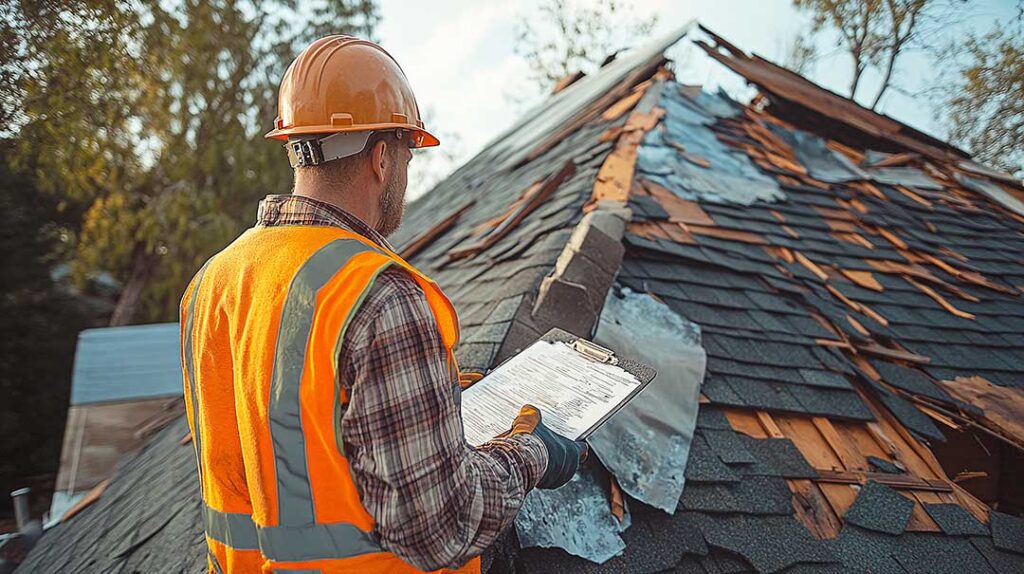
What should homeowners consider before choosing a roof color?
The right roof color should work with the home’s exterior, fit the surrounding neighborhood, and remain practical through changing weather. In Ithaca, NY, homeowners should also consider snow, rain, tree cover, seasonal light, and the appearance of older housing styles.
Roof color is a long-term design decision. Shingles or other roofing materials may remain visible for decades, so a color that looks appealing on a small sample may appear very different across an entire roof.
Before comparing shades, look at the following:
- Exterior siding, brick, stone, or stucco
- Trim, shutters, doors, and window frames
- The roof’s slope and visibility from the street
- Nearby homes and the character of the block
- Shade from mature trees
- The amount of sunlight the roof receives
- Any historic-district or neighborhood design requirements
The goal is not to find the most fashionable color. It is to choose a roof that looks intentional with the existing structure and remains comfortable to live with as the home’s exterior ages.
How do siding and exterior materials affect roof color?
The roof usually covers a large portion of the visible exterior, so its color should support the home’s main materials rather than compete with them.
Light-colored siding often works well with medium or dark roofs. A gray, charcoal, brown, or muted green roof can provide definition without making the home appear too stark. White or very pale roofing may create a softer contrast, but it can also make roof stains, moss, and debris more noticeable.
Homes with red or brown brick generally pair well with dark gray, brown, weathered wood, or blended earth-tone roofing. A roof with several related tones can connect the brick, mortar, trim, and landscaping more naturally than a completely solid color.
For blue, green, or gray siding, charcoal and cool gray roofing are common choices. Brown roofing can also work, particularly when the home has warm wood trim, stone features, or a natural setting.
The safest approach is to identify the dominant undertone of the exterior:
- Warm undertones include cream, tan, beige, brown, red, and yellow.
- Cool undertones include blue, blue-gray, crisp white, and some greens.
- Neutral undertones include balanced gray, soft white, and certain taupe shades.
A roof with a similar temperature usually creates a more unified appearance. Contrast can still be attractive, but it should be deliberate.
Does roof color affect indoor temperature?
Roof color can affect how much solar heat the roof surface absorbs, but attic insulation, ventilation, air sealing, roof orientation, and tree shade often have a greater effect on indoor comfort.
Dark roofing generally absorbs more sunlight than light roofing. This difference may matter most on sunny summer afternoons, especially on a roof with little shade. A lighter or more reflective roof can reduce surface heating under some conditions.
That does not mean a dark roof is automatically unsuitable for the local climate. In a region with snowy winters and moderate summers, the practical difference may be less significant than expected. A well-insulated attic can limit heat transfer regardless of shingle color.
Roof color also should not be selected as a substitute for ventilation or insulation improvements. If the attic becomes excessively hot in summer or loses heat in winter, the underlying cause may be an insulation, air-sealing, or ventilation problem rather than the roof’s color.
Which colors work well in a snowy, wooded setting?
Medium and darker roof colors are often practical in areas with frequent rain, snow, leaf fall, and tree cover because they tend to hide everyday debris better than very light surfaces.
In Ithaca, seasonal changes can make the roof look different throughout the year. A charcoal roof may appear nearly black under cloudy skies but lighter in bright summer sun. Brown roofing can blend with bare branches and fall foliage, while green or gray blends may suit wooded lots and older homes.
Avoid choosing a color based only on a sunny outdoor display. Ask to see a large sample in several conditions:
- Bright sunlight
- Overcast daylight
- Early morning or late afternoon
- Against wet siding or brick
- Beside existing trim and gutters
- With nearby trees visible in the background
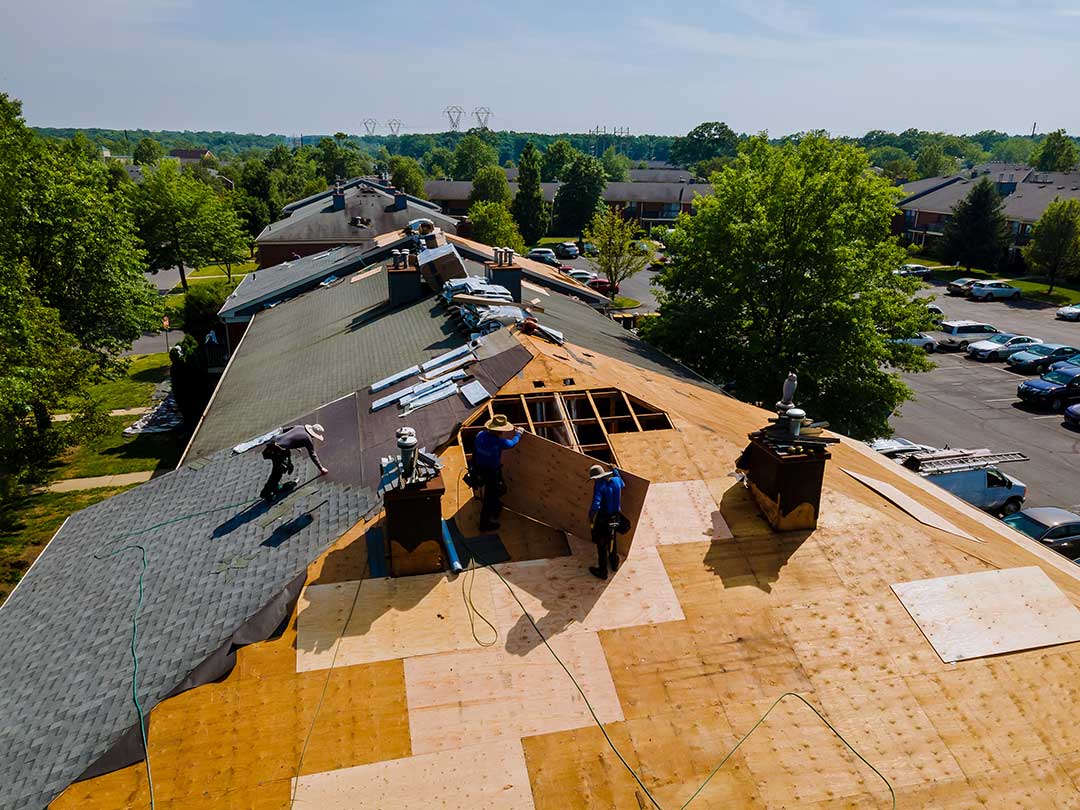
A sample can also be viewed from the street rather than only at close range. Roofs are usually seen from a distance and at an angle, which changes how color variation and texture are perceived.
Are blended shingles better than solid colors?
Blended roofing can make a large roof appear less flat and can disguise minor variations in the surface. Many architectural shingles use several related tones rather than one uniform shade.
Blends are useful when the home includes several exterior colors. For example, a roof combining gray, brown, and muted tan may connect stone, siding, and wood trim. However, a highly varied blend may look busy on a small or simple home.
Solid colors create a cleaner, more consistent appearance. They may be suitable when the siding, brick, or architectural details already provide plenty of visual texture.
The roof’s shape matters as well. A steep, highly visible roof shows more color and pattern than a low-slope roof partly hidden by the front elevation. Dormers, gables, valleys, and multiple roof sections can also make a complex blend appear more pronounced.
Should roof color match the gutters and other exterior details?
Roof color does not need to match gutters, downspouts, or trim exactly. It usually looks better when these elements coordinate without becoming identical.
For example, dark gray roofing can work with black or dark bronze gutters, while a brown roof may pair well with bronze, brown, or cream-colored trim. Matching roof penetrations, flashing details, or visible vents to the roof color can create a more finished appearance.
Gutters should also be considered against the siding. If they match the siding, they may visually recede. If they match the roof, they can create a stronger horizontal line along the roof edge.
The same principle applies to doors and shutters. A roof that is already visually strong may call for quieter accent colors, while a simple roof can support more contrast elsewhere.
Do local rules affect roof color?
Most roof color decisions are primarily aesthetic, but some properties may have additional requirements. Homes in locally designated historic districts or on individually designated historic properties may be subject to review when roofing color is part of the visible exterior material.
Permit and design requirements can also change over time. Before replacing roofing on a historically designated property, verify the applicable local requirements. This is especially relevant for older homes with architectural features that contribute to the character of the surrounding neighborhood.
Even where no formal review applies, preserving the proportions and visual character of an older home can help the new roof look appropriate. Traditional colors such as slate gray, weathered brown, muted green, and dark red may fit older architecture better than highly saturated or unusually bright shades.
What roof colors are easiest to live with over time?
Neutral colors usually provide the most flexibility. Gray, brown, charcoal, and weathered blends tend to work with a wider range of future exterior changes than highly distinctive colors.
A neutral roof can accommodate repainting, replacement doors, updated landscaping, or new siding without forcing every later decision to match one strong color. This can be useful for homeowners planning improvements in stages.
Very dark roofs can emphasize roof lines and create a crisp appearance, but they may also make a small home look heavier. Very light roofs can appear airy and reduce visual contrast, but dirt, algae, and leaf residue may stand out more clearly.
The most dependable choice is usually a color that supports the home’s existing materials, reflects the surrounding landscape, and still looks appropriate under both bright and cloudy conditions.
A simple way to make the final choice
Place large samples near the front elevation and view them from several distances. Keep them in place for at least a few days so the color can be seen in morning light, afternoon light, shade, and overcast weather.
Compare the samples with the siding, brick, stone, trim, gutters, and nearby trees. If two options seem equally suitable, choose the one with the less distracting pattern and the broader compatibility with future exterior updates.
Roof color cannot correct structural problems, poor drainage, inadequate attic ventilation, or failing materials. It is one part of a roofing decision, but it is also a highly visible one. Careful observation before installation can prevent a color choice from becoming an expensive source of regret.
