
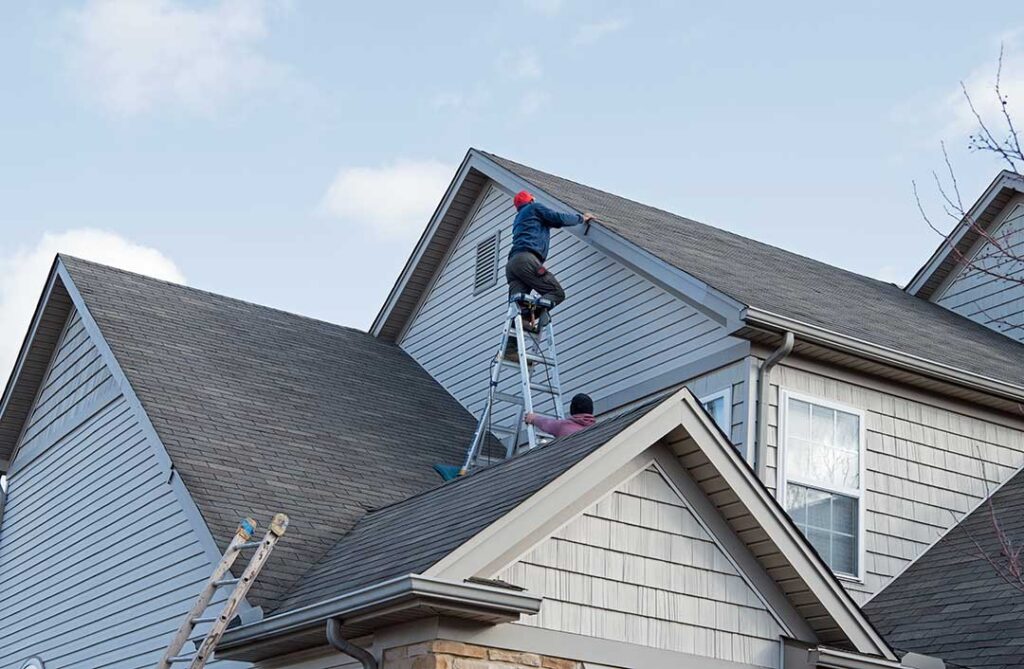
A baseball, soccer ball, football, or other hard object can damage roofing materials even when the impact seems minor from the ground. The most common problems are cracked shingles, loosened protective granules, dented metal, damaged flashing, and hidden moisture entry.
For households in Ithaca, NY, roof damage from sports equipment can be more than a cosmetic concern. Rain, freeze-thaw cycles, snow, and wind can gradually worsen a small impact defect.
What kinds of sports balls can damage a roof?
Hard, fast-moving balls create the greatest risk, especially when they strike a roof at a steep angle or land repeatedly in the same area.
Examples include:
- Baseballs and softballs, which can crack asphalt shingles or chip roof coatings
- Lacrosse balls, which are dense and can cause concentrated impact damage
- Field hockey balls, which may dent metal roofing or break brittle materials
- Soccer balls and footballs, which can loosen shingles when kicked or thrown forcefully
- Basketballs, which may damage low-slope porch roofs, garages, sheds, or nearby siding
- Golf balls, which can cause severe localized damage because of their small size and high speed
A typical inflated soccer ball may only leave a surface mark, while a baseball or lacrosse ball can fracture a shingle, dislodge granules, or damage a roof edge. The outcome depends on the ball’s hardness, speed, angle of impact, roofing material, temperature, and age of the roof.
How does impact damage an asphalt-shingle roof?
Sports balls most often affect asphalt shingles by disturbing the outer protective surface or breaking the shingle itself. A damaged shingle may not immediately leak, but its ability to shed water can be reduced.
Look for:
- A circular bruise, crack, split, or indentation
- Missing or unusually thin granules
- A shingle that appears lifted, curled, or shifted
- Exposed dark underlayment beneath the granules
- A torn tab or damaged seal strip
- Small pieces of roofing material on the ground or in a gutter
A bruise may be difficult to see because the shingle can remain mostly intact while the underlying mat is compressed. Pressing on a suspected area is not a reliable test, and walking on the roof can create additional damage.
Impact damage can also weaken the adhesive bond between shingles. Later wind may lift a shingle that initially appeared undisturbed, particularly on roof slopes with exposed edges or around ridges and hips.
Can a sports ball cause a roof leak?
Yes. A ball can cause a leak directly by cracking or puncturing a roofing material, or indirectly by loosening a shingle and allowing water to move underneath it.
Leaks may not appear directly below the impact point. Water can travel along roof decking, rafters, insulation, or interior framing before reaching a ceiling. As a result, a stain inside a room may be several feet away from the damaged area.
Warning signs include:
- Brown or yellow ceiling stains
- Damp attic insulation
- Moisture on roof decking or rafters
- Peeling paint near upper walls or ceilings
- Drips that appear during rain or snowmelt
- Musty odors in an attic or upper-floor room
A leak that appears only during heavy rain may still indicate a roofing defect. Delayed symptoms are common, especially when the damaged area is small.
What happens to metal, rubber, and flat roofing?
Different roofing materials respond differently to impact.
Metal roofing may dent, scratch, or develop a small puncture. A dent alone may be primarily cosmetic, but damage near a panel seam, fastener, flashing piece, or penetration can permit water entry. Scratches that expose underlying metal may also become vulnerable to corrosion over time.
Rubber and membrane roofs can be punctured by hard objects. This is especially relevant for low-slope sections over porches, additions, garages, and commercial-style residential structures. A small puncture may be hidden by surface dirt or water.
Roof coatings can chip or crack after impact. If the coating protects an older roof system from moisture or ultraviolet exposure, a damaged spot may need attention even if there is no immediate leak.
Wood shingles and shakes can split or break. Older wood roofing may already be dry, weathered, or brittle, making it more susceptible to impact than newer material.
Why can damage be worse during Ithaca winters?
Cold weather can make some roofing materials less flexible and more prone to cracking. Asphalt shingles may become stiff during freezing temperatures, so an impact that would leave a shallow mark in warm weather may create a deeper fracture in winter.
Moisture can then enter the damaged area and freeze. As water expands, it may widen cracks or separate roofing layers. Repeated freeze-thaw cycles can turn a minor defect into a more noticeable problem.
Snow can also hide damage for weeks. A roof may appear normal after an impact, but melting snow can expose weak points around broken shingles, flashing, vents, or roof edges.
What should residents check after a ball hits the roof?
Start with a ground-level inspection using binoculars if available. Check the roof slope facing the play area, nearby dormers, porch roofs, garage roofs, gutters, and exterior walls.
From inside the attic, look for:
- New daylight visible through the roof covering
- Damp wood or insulation
- Water trails or darkened framing
- Loose debris beneath the suspected impact area
Do not climb onto a steep, wet, icy, or snow-covered roof. Roof surfaces can be slippery even when they look dry, and a person investigating damage may fall or unintentionally worsen the defect.
If rain is expected and a damaged area is clearly visible from a safe location, temporary protection may reduce water entry. A tarp should not be placed on a roof by someone who lacks safe access or fall protection. Improvised fastening can tear shingles, puncture membranes, or create new openings.
Is every mark proof that the roof is damaged?
No. Scuff marks, small stains, and displaced granules can come from several sources, including branches, animals, maintenance activity, hail, wind, or normal aging.
A single impact mark does not always mean the roof needs extensive work. The key questions are whether the roofing material is cracked, punctured, lifted, or no longer sealed, and whether water has reached the layers below.
It is also easy to mistake hail damage for sports-ball damage. Hail usually creates multiple impact marks across exposed roof surfaces, while a sports ball more often produces a concentrated mark in an area aligned with a yard, driveway, play space, or nearby structure.
When does the damage require prompt attention?
Prompt attention is appropriate when a ball has:
- Created a visible hole or split
- Dislodged a shingle
- Damaged flashing around a chimney, vent, or skylight
- Struck a low-slope membrane roof
- Caused interior staining or active dripping
- Hit a roof edge, gutter, or soffit
- Landed repeatedly on the same location
A roof defect involving active water entry, exposed underlayment, or electrical fixtures in the affected ceiling area presents a higher safety concern. Keep people away from wet electrical components and avoid entering areas with sagging ceilings.
For minor, clearly localized damage, documentation can help. Take photographs from the ground, note the date of the impact, and record weather conditions afterward. This information can make it easier to distinguish a recent event from older roof wear.
How can future damage be reduced?
The most effective prevention is to separate ball play from roof surfaces. Position goals, batting areas, and throwing games away from the house, garage, shed, porch, and roof overhangs. Avoid aiming toward rooflines, even during casual play.
Netting, fencing, or a designated practice area can reduce errant shots. Balls should also be collected from gutters and roof valleys rather than left to roll or remain lodged there. A ball trapped against shingles can cause abrasion as wind moves it back and forth.
Regularly clearing branches and maintaining safe access around the home can also make post-impact inspections easier. In a climate with snow, ice, and seasonal storms, finding a small roof defect before the next freeze or heavy precipitation can prevent a much larger interior problem.
