
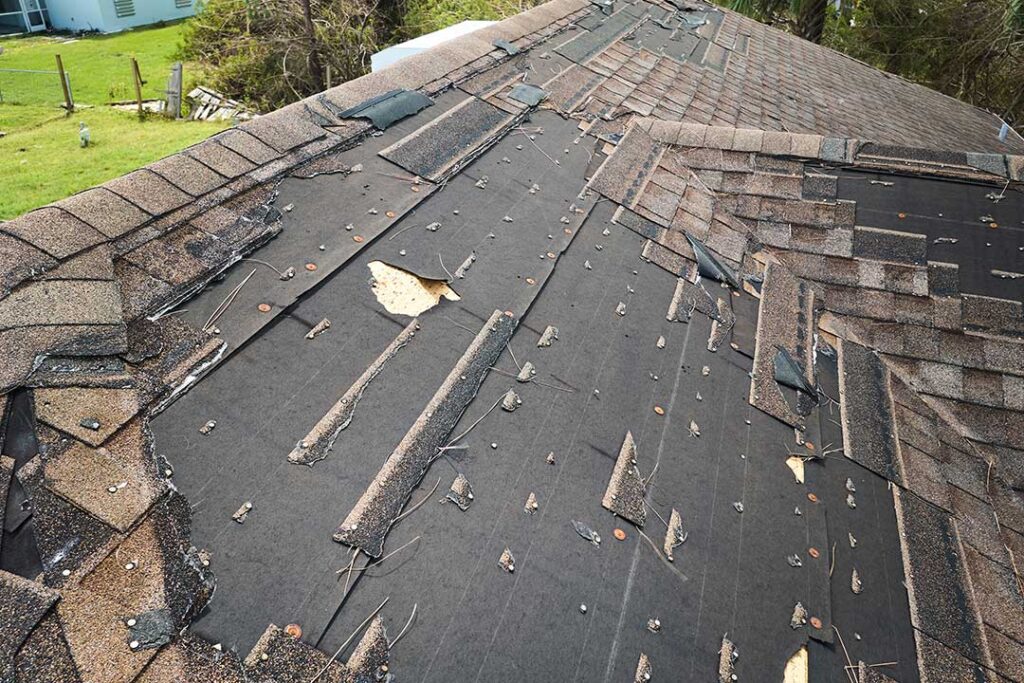
A roof lasts longer when moisture, ice, wind, heat, and small defects are addressed before they become larger problems. For homes in Ithaca, NY, regular observation and seasonal maintenance are especially useful because repeated freeze-thaw cycles, snow, shaded roof areas, and heavy summer rain can gradually weaken roofing materials.
What shortens a roof’s useful life?
The most common causes of early roof failure are water intrusion, poor ventilation, neglected maintenance, storm damage, and installation problems. Roofing materials rarely deteriorate from one event alone. More often, small stresses accumulate over several seasons.
Typical warning factors include:
- Missing, cracked, curled, or loose shingles
- Damaged flashing around chimneys, skylights, vents, and wall intersections
- Clogged gutters or downspouts
- Moss, algae, or persistent organic debris
- Attic moisture and inadequate air circulation
- Ice dams along roof edges
- Branches rubbing against the roof
- Repeated walking on shingles
- Unrepaired damage after wind or heavy snow
A roof can look acceptable from the ground while still having deteriorated flashing, exposed fasteners, or moisture in the attic. That is why maintenance should include both the exterior and the space directly beneath the roof.
How often should a roof be inspected?
Most homeowners should visually check the roof and drainage system twice a year, usually in spring and fall. Additional checks are sensible after strong wind, heavy wet snow, ice buildup, or a storm that causes nearby trees to shed branches.
A ground-level inspection can look for:
- Shingles on the ground or in gutters
- Uneven roof sections
- Dark patches that may indicate trapped moisture
- Sagging along the roofline
- Granules collecting in gutters or at downspout outlets
- Damaged metal edging or flashing
- Water stains on exterior walls or ceilings
Walking on a roof is not necessary for a basic homeowner inspection and can cause damage, particularly to aging asphalt shingles. Steep slopes, icy surfaces, and fragile roofing materials also create a serious fall hazard. Conditions that cannot be safely viewed from the ground or attic should be evaluated by a qualified roofing professional.
Why are gutters important to roof longevity?
Gutters protect the roof edge, fascia, siding, foundation, and nearby landscaping by directing water away from the building. A blocked gutter can allow water to back up beneath shingles or overflow repeatedly against the roof edge.
In Ithaca, spring debris, autumn leaves, and winter ice can all interfere with drainage. Gutters should be cleaned before the main leaf-fall period and checked again in spring. Downspouts should discharge water far enough away from the foundation to prevent pooling.
Look for these drainage problems:
- Water spilling over the front of the gutter during rain
- Sagging sections or separated joints
- Rust holes or cracks
- Downspouts that empty beside the foundation
- Ice forming in places where water repeatedly backs up
- Soil erosion below a downspout outlet
Gutter cleaning alone does not correct poor slope, loose attachments, or undersized drainage. If water continues to overflow after debris is removed, the system may need adjustment.
How can homeowners prevent ice dams?
Ice dams form when heat escapes into the attic and melts snow on the warmer upper sections of the roof. The water then refreezes near the colder eaves, where it can block drainage and force water beneath roofing materials.
The most effective prevention focuses on the attic rather than the roof surface. Proper insulation reduces heat transfer from the living space, while balanced ventilation helps remove warm, moist air. Air sealing around attic openings, light fixtures, ducts, and access panels can also reduce heat leakage.
Helpful winter practices include:
- Keep the attic access cover insulated and weather-sealed
- Make sure bathroom and kitchen exhaust vents discharge outdoors
- Avoid directing indoor exhaust into the attic
- Remove excessive snow only with safe methods
- Do not chip ice from shingles with sharp tools
- Do not use open-flame devices or improvised heating equipment near roofing materials
A recurring ice dam is usually a building-envelope problem, not simply a snow-removal problem. Treating the visible ice without correcting attic heat loss may allow the issue to return.
Does attic ventilation extend roof life?
Proper attic ventilation can help manage heat and moisture, but more ventilation is not automatically better. The system must work with adequate insulation and sealed air pathways.
Moist air entering the attic from the home can condense on roof sheathing, nails, and framing during cold weather. Over time, this may contribute to mold growth, wood deterioration, rusted fasteners, and weakened insulation. Summer heat can also raise attic temperatures, increasing stress on some roofing materials.
Signs of attic moisture or ventilation problems include:
- Frost on the underside of roof sheathing
- Damp insulation
- Musty odors
- Rust around roofing nails
- Mold-like discoloration
- Peeling paint or moisture stains near the upper floors
- Roof sheathing that appears dark or warped

Ventilation openings should not be blocked by insulation. At the same time, simply adding a vent without providing a balanced intake and exhaust path may produce little benefit. The condition of the attic should be assessed as a complete system.
How should moss and organic growth be handled?
Moss grows where roofing materials stay damp and shaded. Trees, north-facing slopes, nearby structures, and limited sunlight can create favorable conditions. Moss can lift shingle edges, retain moisture, and interfere with drainage.
Small amounts of surface growth should not be scraped aggressively. Scrubbing or pulling moss from shingles can remove protective granules and loosen the roofing material. Pressure washing is also unsuitable for most asphalt-shingle roofs because the force can damage the surface.
Preventive measures may include trimming branches that shade the roof, clearing leaves and twigs, and improving airflow around the roof where practical. Any cleaning method should be compatible with the specific roofing material and should avoid sending debris into gutters or surrounding planting areas.
What maintenance should be done after a storm?
After severe weather, inspect the roof from the ground and check the attic for signs of water entry. Wind damage may not always appear as a dramatic missing section; shingles can also be lifted, creased, or partially detached.
After a storm, look for:
- Shingles that appear raised or out of alignment
- Exposed underlayment or roof decking
- Bent flashing
- Damaged vents or chimney caps
- Fallen branches
- New ceiling or wall stains
- Granules gathered around downspouts
- Daylight visible through the attic roof deck
Water stains may appear hours or days after the weather event. If active leaking, structural sagging, exposed wiring, or unsafe access is present, avoid entering the affected area and seek qualified assistance because the condition may involve more than a surface repair.
Which roof repairs should not be delayed?
Small defects are generally easier and less disruptive to correct than widespread moisture damage. Missing shingles, open flashing joints, damaged pipe collars, and clogged drainage should not be ignored simply because water is not yet visible indoors.
A leak may travel along roof decking, rafters, insulation, or wall cavities before appearing inside the home. By the time a ceiling stain becomes noticeable, the original entry point may be several feet away.
Prompt attention is especially appropriate when there is:
- Active dripping
- A sagging ceiling or roof section
- Wet insulation
- Widespread shingle loss
- Repeated leakage in the same location
- Rotting wood around the eaves
- Damage after a fallen branch
- Roofing materials near the end of their expected service life
Keeping records of inspections, repairs, leaks, and storm events can help identify recurring problems and support better maintenance decisions.
Can cleaning and maintenance extend every roof indefinitely?
No. Maintenance can slow deterioration, but it cannot reverse age, poor installation, long-term moisture exposure, or material failure. The expected service life of a roof depends on its material, slope, ventilation, workmanship, weather exposure, and maintenance history.
The practical goal is not to preserve an aging roof forever. It is to keep water moving where it belongs, reduce avoidable stress, find defects early, and recognize when repairs are no longer a dependable solution. For local households, a seasonal routine that includes the roof surface, gutters, attic, and nearby trees provides a more complete approach than checking shingles alone.
