
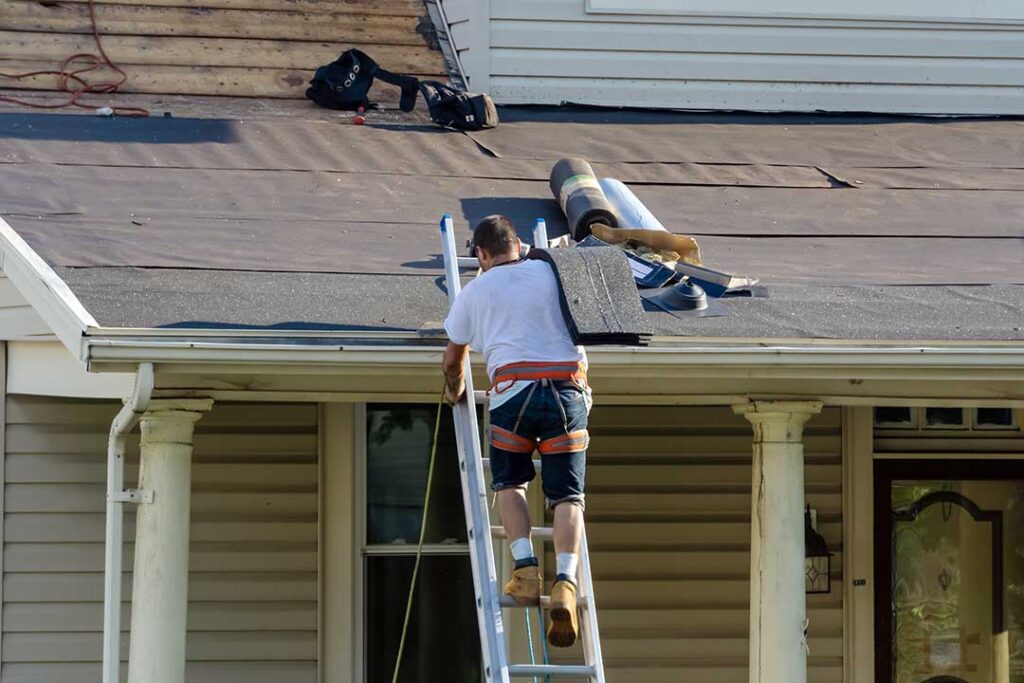
How long should a roof last?
A typical asphalt-shingle roof often lasts about 15 to 30 years, but the actual service life depends on installation quality, ventilation, roof slope, material type, maintenance, and exposure to weather. Age alone does not prove that replacement is necessary, but it becomes an important warning sign as a roof approaches the later part of its expected life.
In Ithaca, seasonal changes can be especially hard on roofing materials. Repeated freezing and thawing, snow, ice, wind, summer heat, and moisture can gradually weaken shingles, flashing, sealants, and the roof deck beneath the covering. A roof that appears acceptable from the ground may still have aging components that are no longer providing dependable protection.
Metal, slate, tile, and other roofing systems can last considerably longer than asphalt shingles, but they are not maintenance-free. Their fasteners, seams, flashing, underlayment, and supporting structure may still need attention before the visible roofing material reaches the end of its life.
What are the clearest signs that a roof needs replacement?
The strongest indication is not one isolated defect but a pattern of widespread deterioration. Replacement becomes more likely when several of these conditions appear together:
- Shingles are curling, buckling, blistering, cracked, or missing.
- Large areas have lost their protective granules.
- Shingle edges or tabs are lifting after wind.
- The roof surface looks uneven or sagging.
- Flashing around chimneys, vents, skylights, or roof-wall intersections is failing.
- Repairs are becoming frequent or are scattered across many sections.
- Water stains, damp insulation, or visible daylight appear in the attic.
- The roof deck feels soft or shows signs of rot.
- Moss, algae, or plant growth is widespread and associated with deteriorated roofing.
A few missing shingles after a storm may be repairable. Widespread brittleness, repeated leaks, or deterioration across multiple roof planes usually indicates that patching will provide only temporary relief.
Do roof leaks always mean the roof must be replaced?
No. A small, isolated leak does not automatically require a new roof. Water may enter through damaged flashing, a failed pipe boot, a loose vent, or a localized area of wind damage. If the roofing system is otherwise in good condition, a targeted repair may be reasonable.
The challenge is that water does not always appear directly below the entry point. It can travel along roof decking, rafters, insulation, or wall cavities before becoming visible inside the home. A ceiling stain may therefore point to a problem several feet away—or to an older leak that has already stopped.
Replacement deserves serious consideration when leaks are recurring, appear in different areas, or have caused widespread damage to the decking or interior structure. Persistent moisture can also contribute to mold growth, weakened wood, damaged insulation, and poor indoor air quality.
What should homeowners look for inside the attic?
The attic can reveal problems that are difficult to see from the yard. On a dry day, look for:
- Dark water marks on the underside of the roof deck
- Damp or compressed insulation
- Rusted nails or roof fasteners
- Soft, stained, or deteriorated wood
- Mold-like growth or persistent musty odors
- Frost or condensation during cold weather
- Daylight showing through areas that should be sealed
Not every stain means the roof is currently leaking. Older marks may remain after a repaired problem. However, active dampness, softened wood, or repeated condensation requires attention because the cause may involve both the roof covering and attic ventilation.
Bathroom and kitchen exhaust should vent outdoors rather than into the attic. Warm, moist air entering a cold attic can create condensation that resembles a roof leak and can damage wood over time.
How do snow, ice, and freeze-thaw cycles affect roofing in Ithaca?
Cold-weather conditions can shorten the practical life of a roof even when there has been no dramatic storm. Water enters small cracks or gaps, freezes, expands, and then contracts as temperatures change. Repeated cycles can loosen flashing, split sealants, lift shingle edges, and enlarge small defects.
Snow itself is not automatically a reason to replace a roof. The more important concerns are the roof’s overall condition, its ability to shed water, the weight of accumulated snow, and whether ice dams or blocked drainage are causing water to back up beneath the roofing.
Ice dams can develop when heat escapes into the attic and melts snow on the warmer portions of the roof. The water may refreeze near colder eaves and then move under shingles. Improving air sealing, insulation, and attic ventilation can reduce the risk, but those measures will not restore shingles that are already brittle or extensively damaged.
Is a roof replacement needed if shingles still look acceptable?
Sometimes. The visible shingles are only one part of a roof system. Underlayment, flashing, ventilation, roof decking, and edge details all affect performance. A roof can look reasonably uniform while having deteriorated flashing or hidden moisture damage.
Conversely, cosmetic issues do not always justify replacement. Minor discoloration, limited moss, or a small number of damaged shingles may be manageable if the underlying system remains sound. A roof should be evaluated by its condition and function, not appearance alone.
Previous repairs also matter. A roof with several layers of patching, mismatched materials, or repeated leak locations may be approaching the point where continued repairs cost more in time and disruption than addressing the system as a whole.
When is repair a better choice than replacement?
Repair is usually more practical when the damage is limited, the roof is relatively young, and most shingles and flashing remain flexible and intact. Examples include a few wind-damaged shingles, a localized flashing failure, or a single damaged vent boot.
Replacement is more appropriate when the roof is near the end of its expected life, damage is widespread, the decking is deteriorated, or leaks continue after multiple repairs. A repair that does not address the underlying cause can create a false sense of security while moisture continues to spread.
Safety also changes the decision. Roof surfaces become hazardous when they are steep, icy, wet, fragile, or structurally weakened. Walking on an aging roof can damage shingles and create fall risks, so ground-level and attic observations are safer for routine homeowner checks.
What should be documented before making a decision?
Keep records of the roof’s approximate installation date, prior repairs, storm damage, leaks, and interior staining. Photographs taken from the ground and inside the attic can help track whether a problem is spreading.
It is also useful to note where water appears during rain, whether stains are dry or damp, and whether problems occur after wind, heavy snow, or ice formation. These details can help distinguish a localized defect from broader roof-system failure.
A roof does not need to look perfect to remain serviceable, and a roof that looks acceptable does not guarantee that it is sound. The most reliable decision considers age, material condition, moisture evidence, structural damage, repair history, attic performance, and the demands of the local seasonal climate.
