
Rain on a roof can sound relaxing to some households and disruptive to others. The difference usually depends on the roofing material, the roof assembly, attic insulation, ceiling construction, and how directly the sound reaches occupied rooms.
In Ithaca, NY, repeated rain events, changing temperatures, wet snow, and older housing construction can make roof noise more noticeable during much of the year. Fortunately, several improvements can reduce the sound without replacing an otherwise serviceable roof.
Why does rain sound loud on some roofs?
Rain noise is created when water droplets strike a relatively hard surface and cause it to vibrate. Those vibrations can travel through the roof deck, rafters, attic space, ceiling, and interior walls.
The loudness inside a home depends on several factors:
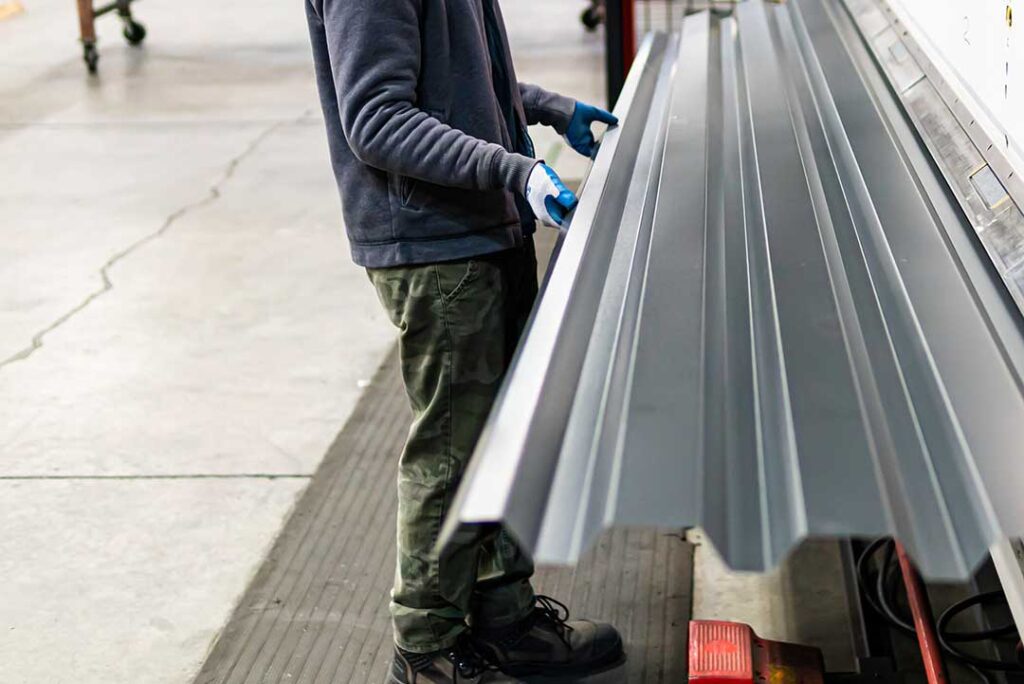
- Roofing material: Thin metal panels can transmit sharp tapping sounds, while asphalt shingles often soften individual impacts.
- Roof pitch: Steeper roofs may allow water to move faster, which can increase the sound of runoff in some areas.
- Roof deck construction: Thin or flexible decking can vibrate more than a heavier, well-supported deck.
- Attic insulation: An empty or lightly insulated attic provides less resistance to sound.
- Ceiling type: Cathedral ceilings and rooms directly under the roof often receive more noise than rooms separated by a full attic.
- Rain intensity: Heavy downpours naturally create more sound than light rain.
- Roof details: Gutters, flashing, skylights, vents, and valleys may produce distinct drumming or splashing noises.
A roof that suddenly becomes louder may also have a maintenance issue. Loose metal, a damaged vent cap, separated flashing, or a gutter section that is vibrating against the fascia can create noise that was not present before.
Can attic insulation reduce rain noise?
Yes. Adding or improving attic insulation is often one of the most practical ways to reduce sound from rain, especially in homes with a ventilated attic above a flat or gently sloped ceiling.
Insulation absorbs and interrupts some of the sound energy traveling through the roof assembly. It does not make a roof silent, but it can make rainfall less sharp and less intrusive in bedrooms, offices, and upper-floor living areas.
For insulation to help effectively, it should be installed correctly:
- It should fill the intended cavities without being tightly compressed.
- Airflow paths from soffit vents to the ridge or other exhaust vents should remain open.
- Recessed lights, chimneys, flues, and other heat-producing fixtures require appropriate clearances.
- Gaps around attic hatches, plumbing penetrations, and ductwork should be addressed where practical.
- Moisture problems should be corrected before adding insulation.
In the local climate, attic ventilation and moisture control matter as much as sound reduction. Blocking ventilation channels or covering damp materials can contribute to condensation, mold growth, or roof-deck deterioration.
Does a ceiling treatment help?
A ceiling can be modified to reduce the amount of sound entering a room. Adding mass and separating layers generally improves sound control.
Options may include:
- Installing an additional layer of properly fastened gypsum board on the ceiling.
- Using resilient channels or similar separation methods during a larger ceiling renovation.
- Sealing small gaps around light fixtures, trim, and ceiling penetrations with appropriate materials.
- Replacing a lightweight ceiling finish with a more substantial assembly.
These measures are most useful when the ceiling is directly below the roof or when the existing ceiling is thin. They may be less noticeable in a room that already has a well-insulated attic above it.
Ceiling work can affect fire safety, electrical access, and moisture management. Fixtures and penetrations should not be covered in a way that violates required clearances or prevents safe maintenance.
Which roof materials are quieter?
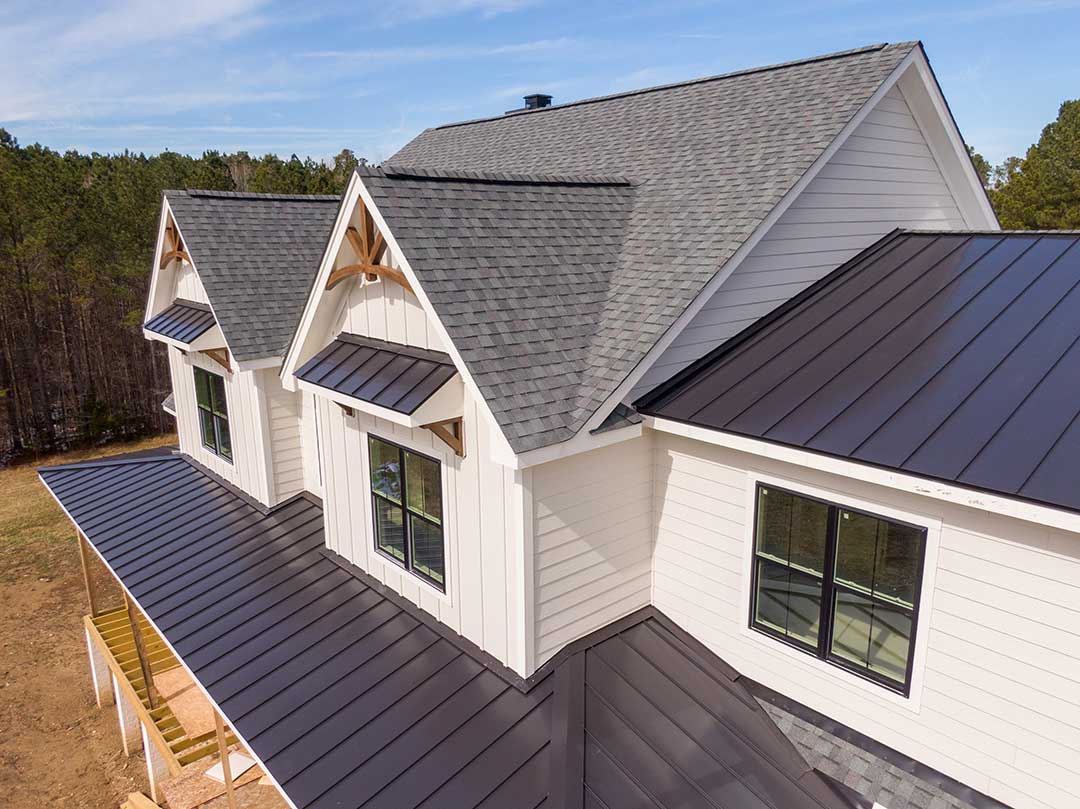
Asphalt shingles are commonly quieter than exposed metal because their layered, granular surface helps break up the impact of raindrops. Wood shakes and other textured materials may also scatter sound, although their maintenance needs and installation requirements differ.
Metal roofing is not automatically unreasonably loud. A metal roof installed over solid decking, underlayment, insulation, and a finished ceiling can be much quieter than a bare metal surface over an open porch or uninsulated structure. The roof assembly matters more than the visible material alone.
If a roof is already near the end of its useful life, sound reduction can be considered during replacement planning. Quieter performance may come from the combined use of solid decking, suitable underlayment, insulation, and a ceiling assembly with adequate mass—not simply from choosing a different surface material.
Replacing a functioning roof only because of rain noise is usually a major step. Interior improvements may provide a better balance when the roof has no leakage, structural concerns, or significant deterioration.
How can gutters and roof fixtures be quieted?
Some roof noise actually comes from water movement rather than raindrops hitting the roof.
Common sources include:
- Water striking the inside of a metal gutter.
- A downspout vibrating against the wall.
- A loose gutter section moving during heavy runoff.
- Water dropping from an upper roof onto a lower roof.
- A vent cap or flashing piece rattling in the wind.
- A skylight frame or cover transmitting drumming sounds.
Gutters should be securely fastened, properly sloped, and free of debris. Downspouts should not be loose or pressed tightly against siding in a way that transfers vibration indoors. Where water falls from one roof level to another, redirecting the flow or using a suitable transition can reduce concentrated splashing.
Any attempt to add material inside a gutter must avoid blocking drainage. Improvised inserts, loose padding, or objects that collect leaves can create overflow and ice problems during colder weather.
Are rain chains quieter than downspouts?
Rain chains can change the character of runoff, but they are not always quieter. In a light rain, water moving along a chain may produce a gentle sound. During heavy rain or snowmelt, the chain can become a source of splashing, especially over a hard surface.
A rain chain should discharge onto a stable, well-drained area or a proper collection basin. Near a foundation, uncontrolled runoff can contribute to dampness, erosion, or basement moisture. Noise reduction should never come at the expense of directing water safely away from the structure.
What inexpensive steps can reduce the noise?
Before changing the roof or ceiling, residents can identify the exact source during a moderate rain. Listen from several rooms and compare the sound near windows, attic hatches, skylights, gutters, and upper-floor ceilings.
Useful low-impact steps include:
- Tightening or securing visibly loose gutter and downspout components.
- Removing leaves and debris that cause irregular water flow.
- Checking whether an attic hatch fits tightly.
- Adding weatherstripping or a gasket around the attic hatch where appropriate.
- Moving beds, desks, or seating away from the loudest ceiling area.
- Using curtains, rugs, upholstered furniture, or acoustic panels to reduce reflected sound inside a room.
- Inspecting the attic after rainfall for wet insulation, staining, or active leaks.
Soft furnishings do not stop sound at the roof, but they can reduce echo and make rainfall less distracting.
When is roof noise a warning sign?
Rain noise deserves closer attention when it is accompanied by water stains, damp insulation, musty odors, sagging ceiling materials, visible daylight through the roof deck, or a new rattling sound.
A sudden change may indicate a loose component, damaged flashing, a displaced vent cover, or deterioration around a skylight. Roof access can be hazardous because of steep slopes, wet surfaces, hidden damage, and unstable snow or ice. Observations from the attic or ground are safer than walking on the roof.
Persistent moisture, structural movement, electrical hazards, or suspected damage after a severe storm require qualified assessment. Soundproofing materials should not be used to conceal an unresolved leak or ventilation problem.
IMAGE_ALT:
Rain falls on a shingled roof above an insulated attic, with gutters carrying water into a downspout.
