
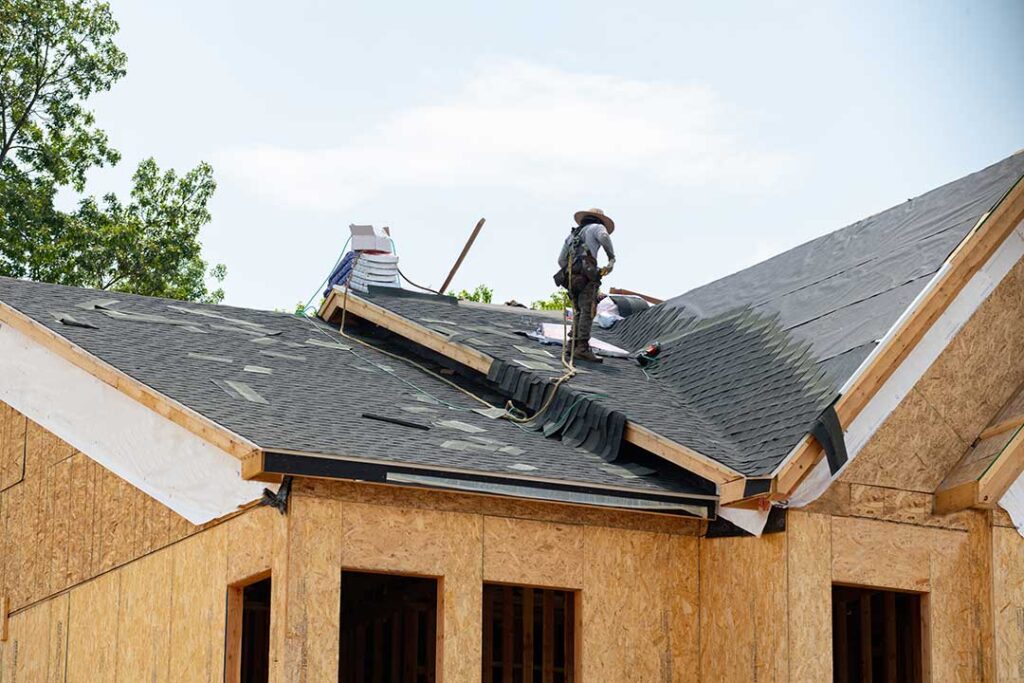
What should you do first if water is coming through the ceiling?
If a roof leak is active, protect people and belongings first, then limit the water’s spread. Do not climb onto the roof during rain, snow, ice, or strong wind.
Place a bucket or other stable container under the drip, and move furniture, electronics, rugs, and other valuables away from the area. If water is near a light fixture, outlet, appliance, or electrical panel, avoid touching the wet area and shut off power to the affected circuit only if it can be done safely from a dry location.
A ceiling that is bulging or sagging may contain a significant amount of water. Keep people away from it. Do not puncture the ceiling unless there is an immediate risk of collapse and the action can be performed safely; water may spread unexpectedly or contact wiring.
How can you tell whether the water is coming from the roof?
Water stains do not always appear directly below the roof defect. Water can travel along rafters, roof decking, insulation, plumbing lines, or ceiling framing before entering the room.
Common clues include:
- Brown, yellow, or gray ceiling stains
- Fresh dripping during rain or thawing snow
- Damp attic insulation
- Wet rafters or roof sheathing
- Peeling paint, bubbling drywall, or soft ceiling material
- Water appearing near a chimney, vent, skylight, or roof edge
- Musty odors that become stronger after wet weather
In Ithaca, roof leaks can become noticeable during heavy rain, freeze-thaw cycles, and periods of melting snow. A roof may remain dry during a light shower but leak when wind pushes water beneath shingles, flashing, or other roof coverings.
Plumbing leaks, condensation, ice dams, and problems around exterior walls can resemble roof leaks. If the ceiling remains wet during dry weather, the source may not be the roof.
Is it safe to inspect the attic?
A brief attic inspection can help identify the general area of a leak, but it should be done only when conditions are safe. Wear shoes with good traction, gloves, eye protection, and a respirator or suitable mask if insulation or mold-like growth is present.
Use a flashlight rather than relying on exposed wiring or unstable surfaces for lighting. Step only on solid framing or designated walk boards, never on the ceiling material between joists. Avoid entering an attic if it is excessively hot, cold, wet, cramped, contaminated, or difficult to exit.
Look for:
- Darkened or wet roof sheathing
- Damp insulation
- Water trails on rafters
- Rust around fasteners
- Daylight visible through the roof
- Wet areas near penetrations or roof edges
The wettest interior spot may not be directly above the ceiling stain. Water often moves downhill before it becomes visible.
What temporary repairs can reduce additional damage?
Temporary measures may reduce water entry, but they are not a substitute for finding and correcting the underlying defect. From the ground, look for missing or displaced shingles, damaged flashing, blocked drainage paths, or debris collecting near roof penetrations.
Do not place a tarp on a steep, wet, icy, or snow-covered roof. Installing temporary covering requires secure footing and proper anchoring; an improvised tarp can tear, trap moisture, damage roofing materials, or create a serious fall hazard.
Inside the building, continue collecting water and increase ventilation when outdoor conditions are dry. Remove wet items that can be safely moved. If carpeting, insulation, drywall, or wood remains damp, drying should begin promptly to reduce odor, staining, and microbial growth.
Do not seal the interior ceiling with paint or caulk before the area is dry. Covering a stain may hide evidence while moisture remains above it.
Should you remove wet insulation or drywall?
Only materials that can be handled safely and without disturbing electrical components should be removed by a homeowner. Wet fiberglass insulation may lose its effectiveness and can be irritating to the skin, eyes, and lungs. Saturated cellulose insulation can hold moisture for a long time.
Drywall that is soft, swollen, crumbling, or visibly contaminated may need removal, but cutting into a ceiling can release trapped water and may expose wiring or plumbing. If the affected material is extensive, the ceiling is sagging, or the cause is uncertain, restrict access to the area until it can be evaluated safely.
Photograph the damage before removing materials or making temporary changes. Record when the leak began, what weather was occurring, and whether the water appeared suddenly or gradually. This information can help distinguish storm-related entry from plumbing, condensation, or long-term moisture problems.
What roof areas commonly leak?
Most roof leaks occur at transitions, penetrations, edges, or damaged sections rather than in the middle of an intact roof surface.
Frequently involved areas include:
- Flashing around chimneys, vents, skylights, and roof-wall intersections
- Valleys where two roof slopes meet
- Eaves and rake edges
- Gutters and downspouts that overflow or pull away from the roofline
- Missing, cracked, lifted, or aging shingles
- Nail pops and exposed fasteners
- Seams in membrane roofing
- Areas affected by fallen branches or wind
- Snow and ice buildup along lower roof edges
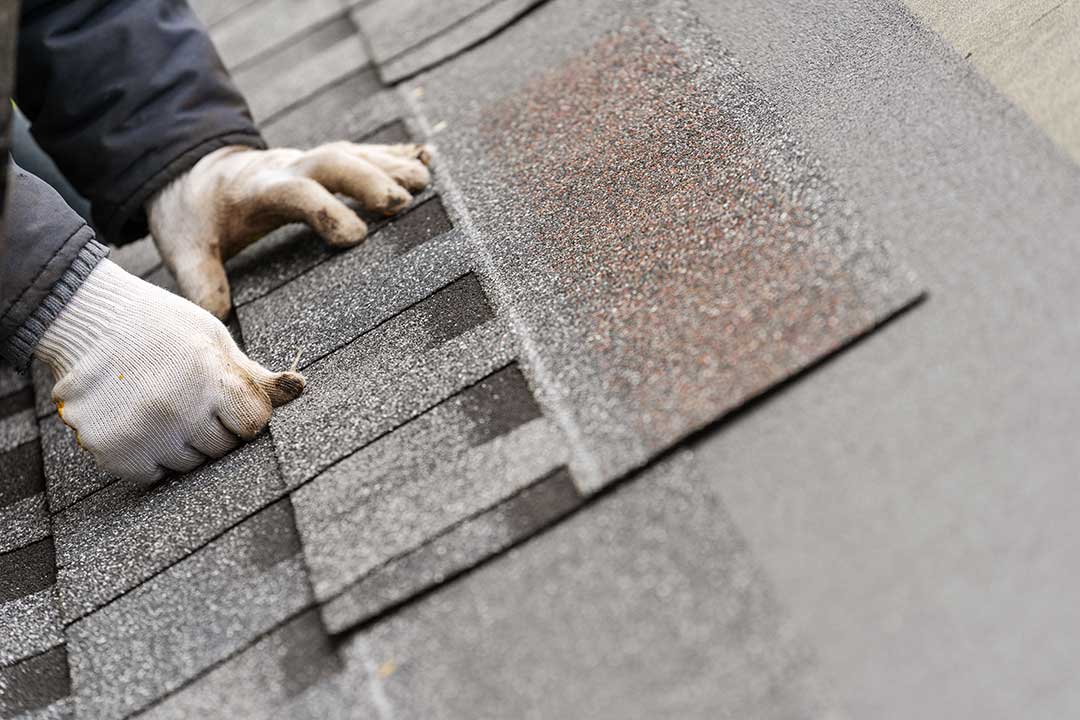
Roof drainage deserves special attention in a cold-climate community. Leaves, twigs, and ice can restrict runoff, while repeated freezing and thawing can widen small gaps. A roof that appears intact from the ground may still have failed flashing or concealed damage.
Can a roof leak cause mold?
A short, promptly dried leak does not automatically result in mold, but persistent dampness increases the risk. Mold-like growth can develop on drywall, insulation, wood, carpeting, and stored belongings when moisture remains present.
The priority is moisture control: stop or limit the source, remove standing water, and dry affected materials. Fans and dehumidifiers can help when used safely, but they should not be operated near standing water or damaged electrical equipment.
Strong musty odors, extensive visible growth, recurring dampness, or symptoms that worsen inside the building justify limiting exposure and seeking appropriate environmental or medical guidance. People with asthma, allergies, weakened immune systems, or other respiratory concerns may be more sensitive to damp conditions.
When is a roof leak an emergency?
Immediate attention is warranted when water is near electrical equipment, the ceiling is sagging, the leak is rapidly spreading, or the building has sustained storm or tree damage. Leave the area if there are signs of structural instability, falling material, or a strong electrical odor.
A leak that is small but recurring still should not be ignored. Repeated staining can indicate a defect that is allowing moisture into the roof assembly, attic, insulation, or wall framing. Delayed action may turn a localized repair into a larger moisture-damage problem.
Roof access should be avoided during icy conditions, active snowfall, high winds, or after a major storm when branches and power lines may be unstable. Ground-level observation and interior documentation are safer first steps.
What should you check after the leak appears to stop?
A roof can continue leaking after rainfall ends because insulation, wood, and roof cavities may retain water. Check the ceiling, attic, nearby walls, and insulation again over the next several days, especially after another period of rain or melting snow.
Watch for:
- New or enlarging stains
- Soft or damp drywall
- Peeling paint
- Musty smells
- Rusted fasteners
- Damp insulation
- Repeated dripping during temperature changes
Do not assume the roof is fixed simply because the ceiling feels dry. The visible stain may have formed from an earlier event, while the original entry point remains active. Proper resolution requires identifying where water entered, correcting the defect, and confirming that the affected interior materials have dried.
