
Why fall is an important time to inspect a roof
Fall maintenance helps identify small roof problems before colder weather, wind, ice, and snow make them harder to manage. In Ithaca, NY, roofs commonly face wet autumn conditions, falling leaves, freeze-thaw cycles, and heavier snow later in the season.
A roof does not need to look severely damaged to have a problem. Missing shingle granules, lifted flashing, clogged drainage, or damp attic insulation can allow moisture to enter gradually. A seasonal inspection gives homeowners an opportunity to address these conditions while the roof surface, gutters, and attic are still accessible.
The most useful fall maintenance usually includes:
- Looking for visible roof damage
- Clearing leaves and debris from drainage areas
- Checking gutters and downspouts
- Inspecting attic ventilation and insulation
- Trimming branches that could scrape or fall onto the roof
- Preparing for ice, snow, and winter moisture
What should homeowners look for on the roof?
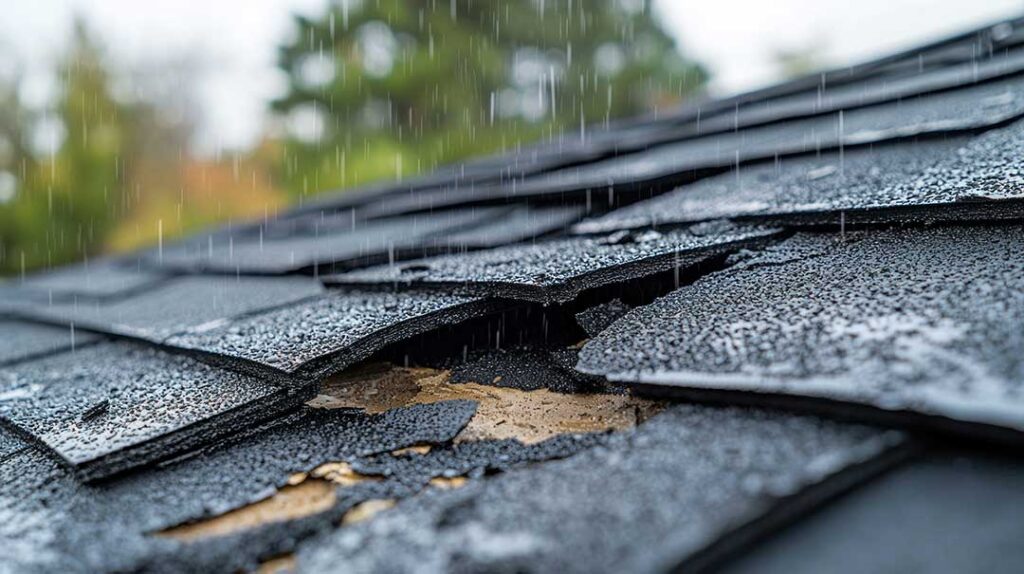
A ground-level inspection can reveal many warning signs without requiring anyone to climb onto the roof. Use binoculars to look for shingles that are cracked, curled, buckled, loose, or missing. Dark streaks may be surface staining, while isolated dark spots or areas that remain wet can suggest trapped moisture or damaged materials.
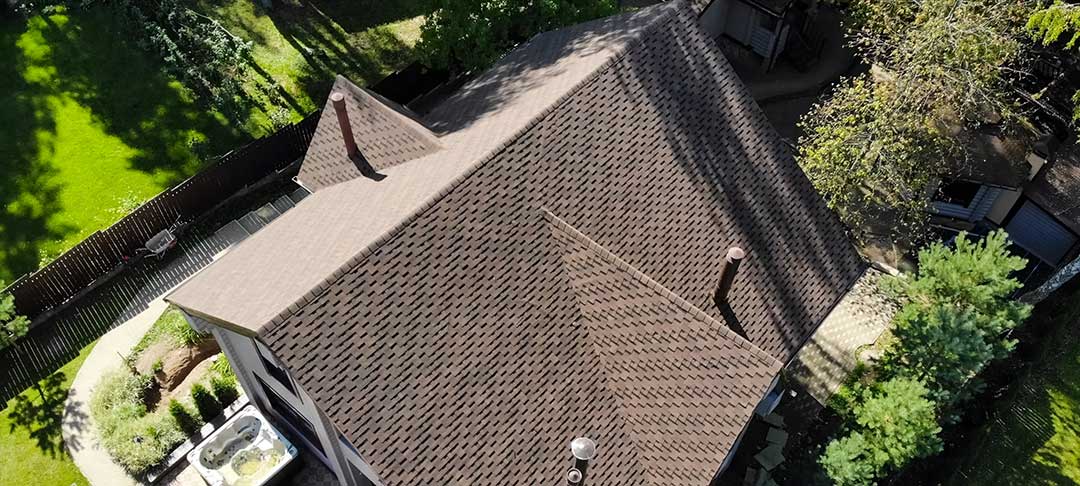
Pay close attention to roof edges, valleys, and areas around penetrations. Valleys carry concentrated water flow, so leaves and debris can create wet areas or cause water to back up beneath roofing materials. Flashing around chimneys, vents, skylights, and roof-to-wall connections should appear securely attached and free of obvious gaps.
Granules in gutters are another clue. A small amount may be normal on an older roof, especially after heavy rain, but an unusual buildup can indicate that shingles are losing their protective surface.
Homeowners should avoid walking on steep, wet, frosty, or moss-covered roofing. Slips can occur even when the roof appears stable, and damaged shingles are easy to worsen underfoot.
How should leaves and debris be removed?
Leaves should be removed from roof valleys, behind chimneys, around skylights, and anywhere they collect against a wall or roof edge. Damp organic debris holds moisture against roofing materials and can block the path water needs to reach the gutters.
Do not use a pressure washer, stiff wire brush, or aggressive scraping technique on shingles. These methods can remove granules and shorten the useful life of the roofing surface. From the ground, a soft roof rake designed for the material may help with limited debris removal, but steep or difficult areas should not be treated as a do-it-yourself task.
Trees are a frequent source of roof debris in the area. Branches that touch the roof can scrape shingles during wind, while overhanging limbs can drop leaves continuously into gutters. Trimming should be done from a stable position and never from the roof itself. Branches near utility lines require additional caution and may present hazards beyond ordinary yard work.
How can gutters and downspouts be prepared for winter?
Gutters should be cleared after most leaves have fallen and checked again if nearby trees continue shedding. A gutter filled with leaves can overflow against fascia boards, siding, windows, and foundations. During freezing weather, trapped water can also contribute to ice buildup and added weight along the roof edge.
After cleaning, check whether water can move freely through each downspout. Downspout outlets should direct water away from the foundation rather than allowing it to pool beside the house. Extensions should remain connected and positioned so discharge does not flow toward walkways, basement walls, or neighboring structures.
Look for gutters that sag, pull away from the fascia, or separate at seams. These conditions may become more noticeable after heavy rain or snow. Sealant alone may not correct a gutter that lacks proper support or slope.
Some homes have internal drains, built-in gutters, or complicated roof drainage systems. These should be inspected carefully because a blockage may not be visible from the ground.
Does attic ventilation matter in the fall?
Yes. Proper attic ventilation helps control moisture and temperature, but it does not replace air sealing or insulation. Warm indoor air that escapes into a cold attic can condense on roof framing, nails, and insulation. Over time, this can contribute to mold growth, wood deterioration, and reduced insulation performance.
Check the attic for:
- Damp insulation or water stains
- Frost on nails or roof sheathing
- Musty odors
- Mold-like discoloration
- Compressed or displaced insulation
- Blocked soffit vents
- Daylight visible through areas that should be sealed
A small stain does not always identify the exact source of a leak. Water can travel along rafters before appearing inside. Plumbing vents, chimneys, skylights, and roof penetrations may be involved even when the visible stain is several feet away from the roof defect.
Bathroom and kitchen exhaust fans should vent outdoors, not into the attic. Moisture from showers, cooking, and laundry can create winter condensation problems if it is discharged into an enclosed roof space.
What problems should be addressed before snow and ice?
Visible leaks, missing shingles, loose flashing, and damaged gutters deserve attention before winter precipitation arrives. Temporary interior measures, such as placing a container beneath a drip, may protect flooring or furniture, but they do not stop water from entering the building.
Ice dams are more likely when warm areas of the roof cause snow to melt unevenly and the water refreezes near colder roof edges. Good attic insulation, adequate ventilation, and effective air sealing can reduce the conditions that contribute to ice dams. Clearing snow from a roof is not always necessary and can be dangerous if done improperly.
Do not chip ice with a shovel, axe, or similar tool. Forceful removal can damage shingles, flashing, gutters, and the underlying water barrier. Roof de-icing equipment also requires careful use because some methods can damage roofing materials or create electrical and fire hazards.
If a roof leak appears during cold weather, avoid climbing onto an icy surface. A qualified roofing or building professional may be necessary when the problem involves steep access, structural damage, electrical hazards, active leaks, or materials that cannot be safely inspected from the ground.
How often should a fall roof inspection be done?
For many homes, a visual inspection in early fall and another check after the main leaf drop are practical. An additional look after a major windstorm can identify fallen branches, exposed underlayment, or shifted materials.
Older roofs, roofs beneath mature trees, and homes with a history of leaks may need closer observation. The same applies to properties with complicated roof designs, low-slope sections, enclosed porches, or additions where drainage patterns differ from the main house.
Keep brief records of roof observations, repairs, stains, and recurring drainage issues. Photos taken from the same ground-level locations each year can make gradual changes easier to recognize. Fall maintenance is most effective when it focuses on water flow, moisture control, safe access, and early detection rather than cosmetic appearance alone.
