
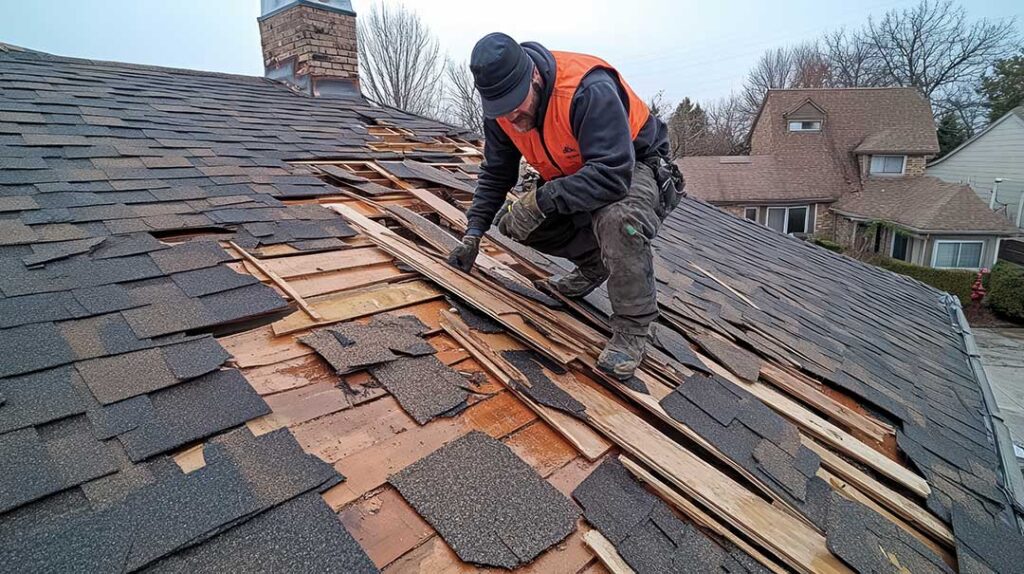
Green roofing can be worth the investment, but the answer depends on the roof type, building structure, drainage conditions, maintenance expectations, and how long the property is likely to be occupied. For many households, reflective roofing, solar panels, and planted roof systems offer different environmental benefits rather than one single “green roof” solution.
In Ithaca, NY, roofing decisions also need to account for snow, freeze-thaw cycles, heavy rainfall, shade from mature trees, and the age of local housing stock. A system that performs well in a mild climate may require different planning in a region with winter snow and ice.
What does “green roofing” mean?
Green roofing is a broad term for roofing choices that reduce energy use, manage stormwater, support renewable energy, or lower the environmental impact of a roof over its service life.
The term may refer to:
- Vegetated or “living” roofs covered with engineered growing media and plants
- Cool roofs that reflect more sunlight and absorb less heat
- Solar panels installed over a compatible roof
- Durable roofing materials with long service lives
- Recycled-content or recyclable roofing products
- Roof designs that collect or slow rainwater
These options have different costs, structural requirements, and maintenance needs. A planted roof is not automatically the most environmentally responsible choice, especially if a building requires major structural upgrades to support it.
Are living roofs practical in Ithaca?
Living roofs can work in the region, but they are specialized systems rather than simple gardens placed on top of a house. A proper installation includes waterproofing, root protection, drainage layers, growing media, and plants selected for rooftop conditions.
The main challenge is that a living roof adds weight. Saturated growing media can be substantially heavier than dry material, and snow adds another seasonal load. Many existing homes were not designed for this extra weight, so structural evaluation is necessary before considering an extensive or intensive planted system.
A living roof may be more practical on:
- A low-slope addition, garage, porch, or accessory structure
- A newer building designed with the roof load in mind
- A roof with good sun exposure and reliable drainage
- A property where regular inspection and plant maintenance are realistic
Steeply pitched residential roofs are generally less suitable. Wind exposure, erosion, access, and fall hazards can make a planted system difficult to manage.
What are the benefits of a planted roof?
A planted roof can slow and absorb some rainfall, reduce the amount of water reaching roof drains at one time, and help protect the waterproofing membrane from direct sunlight and temperature swings. Vegetation can also provide habitat for insects and improve the appearance of a building.
These benefits are strongest when the system is correctly designed and maintained. A small residential roof will not solve neighborhood-wide drainage problems, and a planted roof does not eliminate the need for gutters, downspouts, overflow paths, or foundation drainage.
In a community that experiences intense rain as well as winter snow, drainage design matters as much as the plants. Blocked drains, frozen water, or poorly detailed edges can create serious moisture problems.
Are cool roofs useful in a cold, snowy climate?
Cool roofs reflect solar energy and can reduce heat gain during sunny weather. Their value is usually greatest on buildings with air-conditioning loads, low-slope roofs, or large roof areas exposed to direct summer sun.
For many homes in this climate, summer heat reduction may be a smaller benefit than winter performance. A highly reflective roof does not necessarily reduce heating costs, because winter heat loss is primarily controlled by insulation, air sealing, ventilation, and moisture management.
A cool roof may still be a sensible choice when replacing a low-slope roof or selecting a light-colored roofing surface. However, color should not be treated as a substitute for adequate insulation. An energy-efficient roof assembly depends on the entire system, not just the visible outer layer.
Can solar panels be added to an existing roof?
Solar panels can be an effective green roofing option when the roof is structurally sound, receives sufficient sunlight, and is expected to remain in service for many years. Installing panels on a roof that needs replacement soon can create avoidable complications, since the panels may need to be removed and reinstalled during future roofing work.
Before solar installation, property owners should consider:
- Roof age and remaining service life
- Structural capacity and attachment details
- Snow accumulation and access for maintenance
- Shade from trees, nearby buildings, or roof features
- Electrical equipment location and emergency access
- Local permitting and utility requirements
Solar panels do not make a roof waterproof. The roof beneath them still needs sound flashing, reliable drainage, and appropriate penetrations. In snowy areas, panel placement and mounting details should account for sliding snow and ice rather than assuming the panels will always remain clear.
Which roofing materials have the lowest environmental impact?
There is no universal answer because environmental impact includes manufacturing, transportation, installation, maintenance, replacement frequency, and disposal.
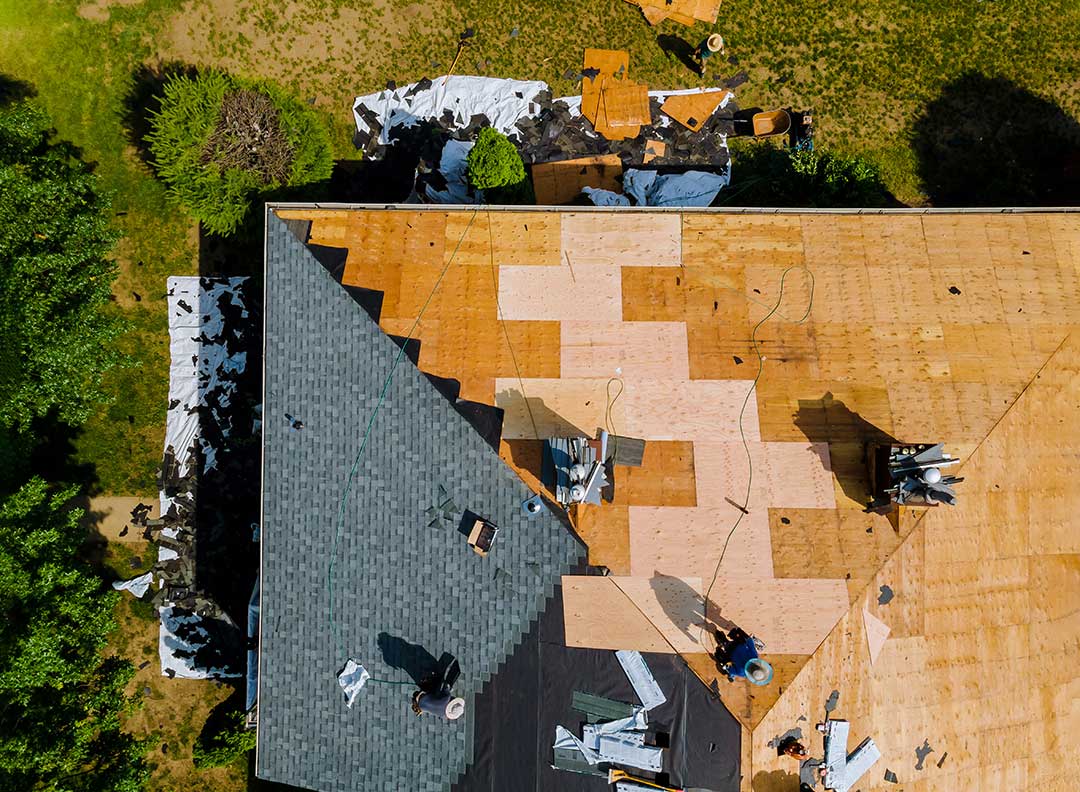
A less expensive material that must be replaced several times may create more waste over decades than a more durable product with a longer service life. On the other hand, a heavy or energy-intensive material may have a larger manufacturing footprint even if it lasts a long time.
Useful questions include:
- How long is the material expected to last under local weather conditions?
- Can damaged sections be repaired rather than replacing the entire roof?
- Is the material available with recycled content?
- Can it be recycled or reused at the end of its service life?
- Does the roof require specialized maintenance or cleaning?
- Will the material perform well under snow, ice, wind, and freeze-thaw conditions?
The most environmentally responsible roof is often the one that remains dry, repairable, and serviceable for many years. Preventing premature replacement can matter as much as choosing a particular product category.
Does a green roof reduce energy bills?
It can, but savings vary widely. Solar panels may reduce electricity purchased from the grid when the system produces power, while reflective roofing can reduce summer cooling demand. Vegetated roofs may moderate roof temperatures and improve the durability of the waterproofing layer.
Energy savings are limited if the building has poor insulation, air leakage, inefficient windows, or an aging heating system. Roof upgrades should therefore be considered as part of the building envelope rather than as a stand-alone energy solution.
For older homes, improving attic insulation and air sealing may provide a more predictable energy benefit than installing a complex roof system. Those improvements can also help reduce ice-dam formation by keeping roof temperatures more consistent.
What maintenance do green roofing systems require?
Green roofing does not mean maintenance-free roofing. Each option has different needs.
A planted roof may require seasonal inspection, weed removal, drain clearing, plant replacement, and monitoring of edge conditions. Solar panels require periodic visual inspection and attention to wiring or mounting issues. Reflective surfaces still need routine gutter and flashing checks.
In an area with falling leaves, wet snow, and ice, drainage paths should be kept clear. Moss or algae growth may also appear on shaded roof surfaces, but aggressive cleaning can damage roofing materials. Maintenance methods should match the roof manufacturer’s requirements and the system’s design.
When is a green roofing upgrade worth considering?
A green roofing option is more likely to make sense when:
- The existing roof is already due for replacement
- The building has suitable structure and drainage
- The environmental benefit matches a real household goal
- The expected service life justifies the installation effort
- Maintenance requirements are understood in advance
- The roof will be kept long enough to benefit from the investment
It may not be worthwhile when the system is being added mainly for appearance, the roof has unresolved moisture problems, or the required structural and drainage work costs more than the expected benefit.
For many area households, the most practical path is a durable roof assembly with strong insulation, careful air sealing, reliable flashing, and well-designed drainage. Solar, reflective materials, or a planted section can then be considered where the building and budget genuinely support them.
