
What should be checked before leaving a home vacant?
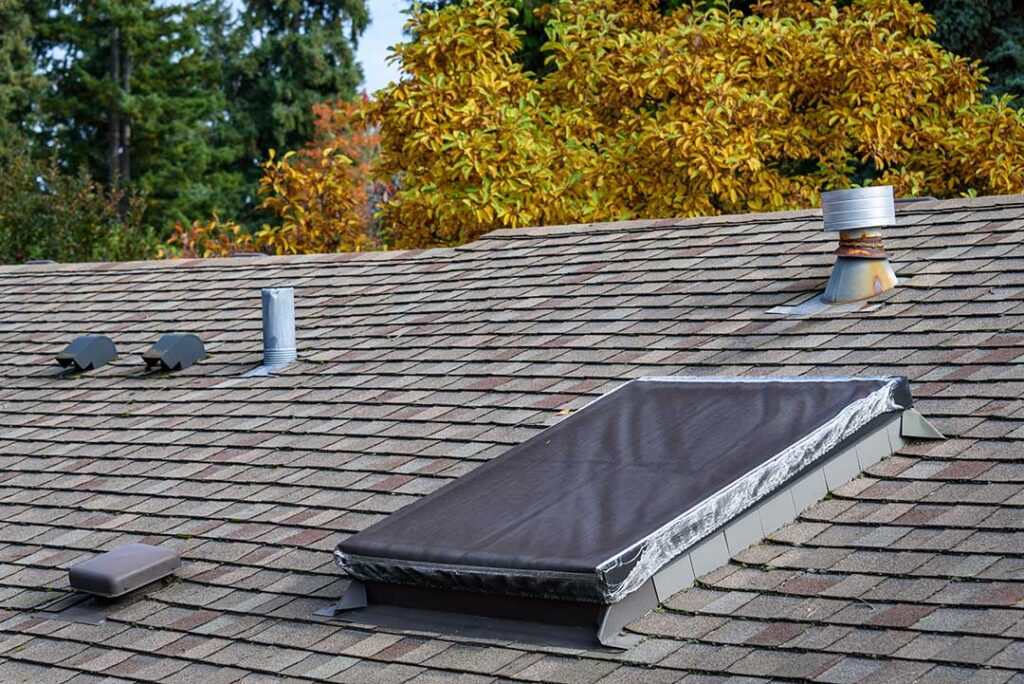
Before leaving for vacation, inspect the roof, gutters, attic, and areas around the home that could reveal a leak. Small problems are easier to manage before departure than after several days of rain, wind, or temperature changes.
Walk around the property from the ground and look for:
- Missing, lifted, cracked, or visibly damaged shingles
- Loose flashing around chimneys, vents, skylights, and roof edges
- Sagging sections of the roofline
- Gutters pulling away from the fascia
- Downspouts that discharge against the foundation
- Dark stains, moss, or exposed roof surfaces
- Tree limbs touching or hanging over the roof
- Stains on ceilings or upper walls inside the home
Do not climb onto a wet, icy, or steep roof before a trip. A ground-level inspection can identify many warning signs, while roof access creates a fall risk that is especially serious during changing weather.
How does Ithaca weather affect a roof while homeowners are away?
Ithaca experiences a mix of rain, wind, summer humidity, thunderstorms, freezing temperatures, and substantial winter snowfall. A roof may face several different types of stress during even a short vacation, particularly during spring and fall when conditions can change quickly.
In warmer months, heavy rain can expose clogged gutters, weak flashing, or small openings around roof penetrations. Wind from thunderstorms may lift shingles or break nearby branches. In winter, snow accumulation, freeze-thaw cycles, and ice dams can contribute to leaks or place additional weight on the roof system.
The season should guide the inspection:
- Spring: Check for winter damage, displaced shingles, blocked drainage, and leaks that may appear during heavy rain.
- Summer: Look for storm damage, deteriorated sealants, algae or moss growth, and branches near the roof.
- Fall: Clear leaves from gutters and confirm that downspouts can carry water away from the foundation.
- Winter: Watch for heavy snow, large ice buildup, icicles, and signs of heat escaping into the attic.
A forecast showing mild weather does not eliminate risk. Conditions may change after departure, and a roof problem can worsen when no one is present to notice it.
Should gutters and downspouts be cleaned before vacation?
Yes. Clear gutters and downspouts before leaving, especially during the fall and early winter. Water that cannot drain properly may overflow onto siding, windows, trim, and foundation areas.
After removing leaves and debris, check that:
- Gutters are firmly attached and do not sag
- Downspouts are open and connected
- Extensions direct water away from the foundation
- End caps and seams are not leaking
- Water is not draining toward a walkway or entry where it could freeze
Do not rely on gutters to prevent every roof leak. They manage runoff at the roof edge, but they cannot correct damaged shingles, failed flashing, or inadequate attic ventilation.
What should be done about roof damage found before departure?
Minor-looking roof damage deserves attention before leaving the property unattended. A single lifted shingle can allow wind-driven rain underneath the roofing material, while a small flashing gap may lead to staining or insulation damage during a storm.
If damage is visible, document it with clear photographs from the ground. Note the location, approximate size, and whether there are interior signs such as dampness, discoloration, peeling paint, or a musty odor.
Urgent conditions include:
- Active interior dripping
- A visibly sagging roof section
- Large areas of missing roofing
- Exposed underlayment or wood
- Fallen branches resting on the roof
- Damaged electrical equipment near a leak
- Heavy snow or ice creating a clear structural concern
These conditions may require a qualified roofing or building professional before the home is left empty. Roof work should not be attempted during high winds, lightning, icy conditions, or when safe access is uncertain.
How can ice dams be reduced before a winter trip?
The most effective ice-dam prevention takes place in the attic and roof design, not just at the gutter edge. Heat escaping into the attic can warm the underside of the roof, melt snow unevenly, and allow water to refreeze near the colder eaves.
Before a winter vacation:
- Check the attic for wet insulation, frost, or water stains.
- Confirm that insulation is not blocking soffit ventilation.
- Make sure bathroom and kitchen exhaust fans vent outdoors rather than into the attic.
- Remove leaves and debris from gutters before freezing weather.
- Avoid placing salt or corrosive chemicals on roofing or gutters.
- Never chip at ice dams with a shovel, hammer, or other sharp tool.
Large icicles are not automatically proof of a dangerous problem, but repeated ice buildup, interior staining, or water entering near the roof edge should be treated seriously. Snow removal from a roof can also be hazardous and may damage shingles if done improperly.
Is it necessary to shut off the water before leaving?
Shutting off the home’s main water supply can reduce the chance of an indoor plumbing failure damaging ceilings, walls, insulation, and roofing components. This is not a roof repair, but it can prevent a plumbing leak from being mistaken for a roof leak after a vacation.
If the water is left on, consider having someone check the home during the trip. A reliable visitor can look for new ceiling stains, active leaks, fallen branches, unusual sounds, or water around mechanical equipment.
During cold weather, do not shut off heat without considering frozen-pipe risk. Keep the home at a safe temperature and make sure the heating system is maintained. A vacant home still needs protection from freezing conditions.
What attic checks are worth making?
The attic can reveal roof problems before they become obvious inside the living space. Use a flashlight and look from the access area rather than walking across insulation or ceiling surfaces.
Signs that deserve attention include:
- Damp or compressed insulation
- Dark wood around roof penetrations
- Daylight visible through the roof deck
- Frost on nails or roof framing
- Mold-like staining or persistent musty odors
- Wet exhaust ducts or disconnected vent pipes
- Rodent damage near insulation or wiring
Check the attic only if it can be done safely. Avoid stepping between ceiling joists, touching exposed wiring, or entering areas with poor ventilation or suspected mold.
What should a house sitter know about the roof?
A house sitter does not need to perform roof maintenance, but clear instructions can help identify problems early. Provide the location of the main water shutoff, electrical panel, heating controls, and attic access if those areas are safe to inspect.
Ask the person checking the home to look for:
- New ceiling or wall stains
- Water on floors or near windows
- Fallen limbs
- Loose exterior materials
- Gutter overflow during rain
- Unusual dripping, cracking, or running-water sounds
They should not climb onto the roof or attempt to remove snow and ice. Photographs and prompt communication are safer than improvised repairs.
What should be checked when returning home?
After a vacation, inspect the attic, upper ceilings, gutters, and roof edges before assuming everything remained undamaged. Look for new staining, damp insulation, displaced shingles, fallen branches, and water that collected near the foundation.
If a leak is active, place a container under the drip if safe, move belongings away from the area, and avoid electrical fixtures or outlets that may be wet. Do not enter a visibly sagging area or climb onto the roof to investigate. The safest response is to limit interior damage and arrange an appropriate inspection when hazardous conditions are present.
