
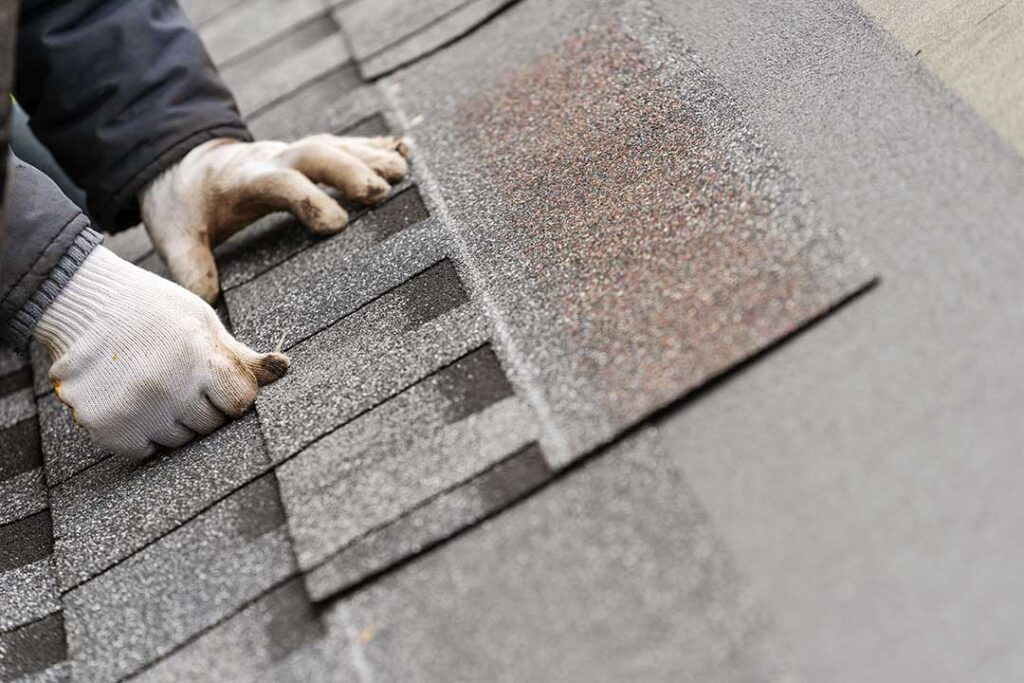
Roof work is safe to do yourself only when the task, weather, roof design, equipment, and your experience all stay within reasonable limits. Minor ground-level maintenance may be manageable for a careful homeowner. Climbing onto a steep, high, wet, icy, or damaged roof is a different matter and can quickly become hazardous.
For residents in Ithaca, NY, seasonal conditions make timing especially important. Snow, ice, rain, wind, shaded roof surfaces, and rapid temperature changes can turn an otherwise simple repair into a fall or weather-exposure risk.
What roof work can a homeowner usually do safely?
Low-risk work is generally limited to tasks that can be completed from the ground or from a properly positioned ladder without walking on the roof.
Examples may include:
- Cleaning leaves and small amounts of debris from gutters while standing on stable ground or a properly secured ladder
- Checking visible flashing, gutters, downspouts, and roof edges from the ground
- Removing small branches that have fallen onto a low roof, if they can be reached safely without climbing onto the surface
- Replacing a damaged gutter section when the work area is low, stable, and clear of overhead hazards
- Sealing a small, clearly identified gap around a vent or flashing detail from a safe access point
- Photographing suspected damage for inspection without attempting to reach the damaged area
Even these tasks should be postponed if the ladder footing is soft, icy, muddy, sloped, or obstructed. A second person should be present whenever a ladder is used for exterior work.
When is it generally unsafe to work on a roof?
Roof work should not proceed when the surface or surroundings create a meaningful risk of slipping, falling, electrocution, or structural failure.
Unsafe conditions include:
- Snow, frost, ice, or visible moisture on the roof
- Rain, strong wind, or a forecast that may change during the work
- Temperatures low enough to make shingles brittle or sealants ineffective
- A steep roof pitch or a roof with limited walking space
- Roofs more than one story above ground without proper fall protection
- Soft, sagging, rotten, or visibly weakened decking
- Damaged rafters, trusses, roof edges, chimneys, or skylights
- Overhead electrical wires near the ladder or work area
- Moss or algae that makes the surface slippery
- Poor visibility, darkness, or fatigue
- Loose shingles or debris that may slide from the roof
A roof can look dry while remaining slippery in shaded areas. In a community with snowy winters and frequent freeze-thaw cycles, moisture may also collect beneath surface debris or around flashing and refreeze after temperatures drop.
How high is too high for DIY roof work?
There is no single height that makes every project unsafe, but fall consequences become serious even on relatively low roofs. A fall from a one-story roof can cause broken bones, head injuries, spinal injuries, or worse, particularly when the landing area contains steps, rocks, fencing, pavement, or frozen ground.
For workplace roofing, federal safety rules generally require fall protection when workers are six feet or more above a lower level. A homeowner working alone may not be covered in exactly the same way as an employee, but the six-foot threshold is a useful warning rather than a target. It does not mean a six-foot roof is safe without protection.
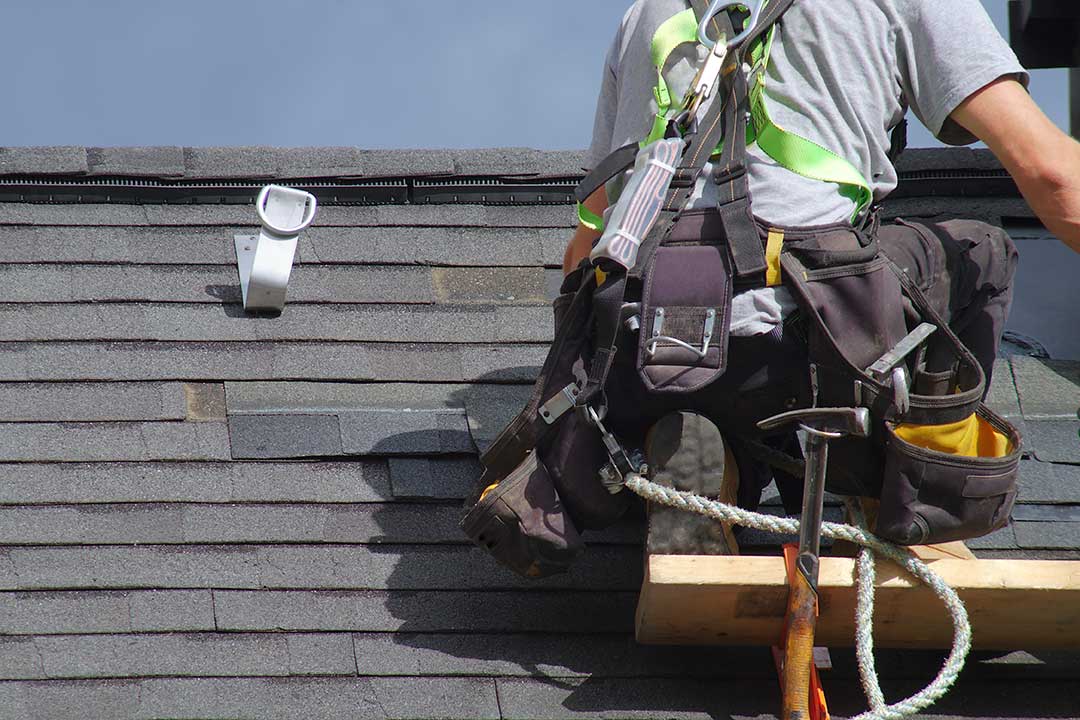
If a project requires walking near an unprotected edge, using a roof ladder, carrying bundles of materials, or moving across a steep slope, it is beyond ordinary low-risk maintenance. Fall-arrest equipment also requires proper anchors, fit, inspection, and training. A harness attached incorrectly can create a false sense of security.
What weather is best for roof repairs?
The safest conditions are dry, calm, and mild, with enough time to complete the work and secure the roof before evening.
For asphalt shingles, moderate temperatures are usually preferable. Very cold shingles may crack when lifted or bent, while excessive heat can make the surface soft and uncomfortable to work on. Seal strips may also need time and warmth to bond properly.
Avoid starting work if:
- Rain is expected before exposed areas can be covered
- Wind could lift materials or destabilize a ladder
- Overnight temperatures may freeze wet surfaces
- Snow or ice remains in valleys, along eaves, or around roof penetrations
- The roof is damp from morning condensation or shade
A short weather window is not necessarily enough for a repair. The roof must remain protected if the work takes longer than expected, and all tools and materials must be removed or secured before wind increases.
Which repairs are usually beyond DIY limits?
Some roof problems involve hidden damage or building-system risks that cannot be judged safely from the surface.
Extra caution is needed for:
- Leaks that have continued for more than a short period
- Sagging roof sections
- Water stains near electrical wiring, ceiling fixtures, or attic equipment
- Damage around chimneys, skylights, plumbing vents, or roof-to-wall intersections
- Missing sections of roof covering after a storm
- Rot in roof decking, fascia, or structural framing
- Multiple layers of old roofing
- Ice-dam damage
- Roofs made of slate, wood shakes, metal panels, or other specialty materials
- Any repair requiring structural changes or removal of damaged framing
Replacing a few accessible shingles is not the same as repairing the cause of a leak. Water can travel beneath roofing materials and appear indoors several feet away from the original entry point. Covering the visible stain without finding the pathway may delay the problem while allowing hidden deterioration to continue.
Are permits required for roof work in Ithaca?
Roofing work in the City of Ithaca generally requires a building permit because it must comply with New York’s building and energy codes. Additional requirements may apply to properties in designated historic areas, landmark properties, or flood-prone locations.
Permit rules can depend on the scope of work. A minor maintenance task may be treated differently from reroofing, structural repair, replacement of roof sheathing, or work that changes insulation, ventilation, or roof design. Before beginning a project, verify the current requirements with the local building division.
A permit does not make unsafe work safe. It addresses code compliance and inspection; it does not replace fall protection, weather judgment, or adequate training.
How should a homeowner inspect a roof without climbing onto it?
A ground-based inspection can reveal useful information without creating unnecessary risk.
Use binoculars or a camera with a zoom lens to look for:
- Missing, curled, cracked, or displaced shingles
- Exposed underlayment or dark areas
- Sagging along the roof plane or ridge
- Damaged gutters, downspouts, or fascia
- Loose flashing around visible roof openings
- Granules collecting below downspouts
- Ice buildup along eaves during winter
- Tree limbs rubbing against the roof
- Interior signs such as water stains, damp insulation, peeling paint, or musty odors
Check the attic only if it can be reached safely from inside the home. Do not step on insulation or ceiling drywall. Use solid framing members as walking surfaces, keep clear of exposed wiring, and avoid entering an attic that is excessively hot, damp, contaminated, or structurally questionable.
A practical decision rule
DIY roof work may be reasonable when the task is small, the roof is low and gently sloped, the surface is dry, the weather is stable, the area is free of electrical and structural hazards, and the work can be completed without approaching an unprotected edge.
It is not a suitable DIY project when the job requires significant time on the roof, specialized fall-protection equipment, structural judgment, emergency tarping in bad weather, or work near damaged electrical components. In those circumstances, avoiding a fall or preventing further damage is more important than completing the repair immediately.
