
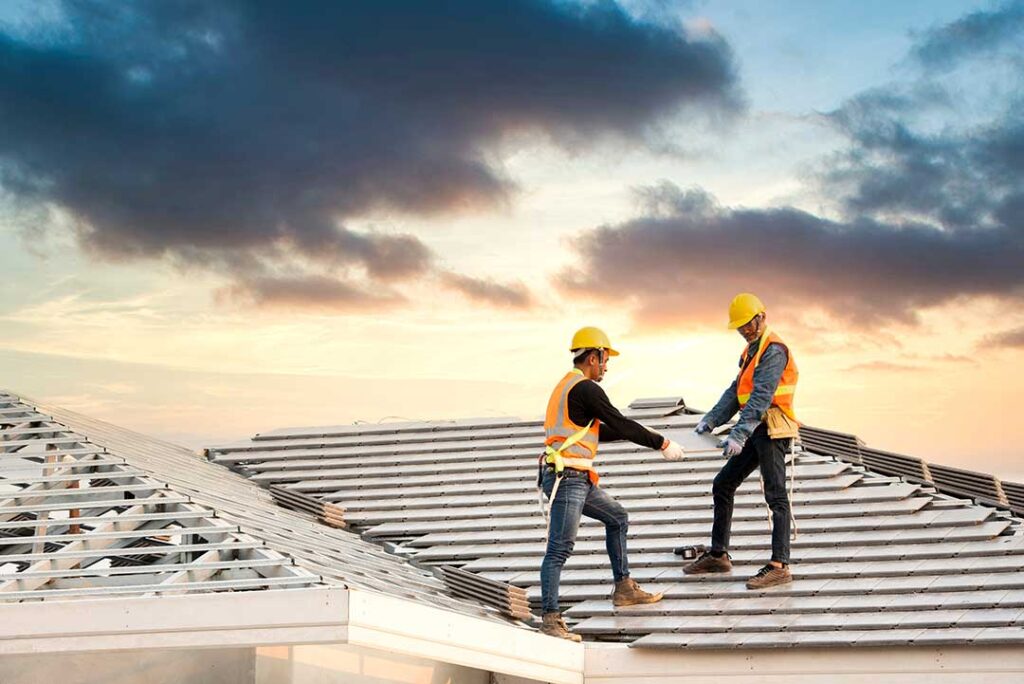
Roof work can look simple from the ground, but climbing onto a roof introduces serious fall, electrical, weather, and structural hazards. For households in Ithaca, NY, seasonal snow, ice, wet leaves, freeze-thaw cycles, and aging housing materials can make roof access especially risky.
The safest approach is to inspect from the ground whenever possible and avoid climbing onto the roof unless the conditions, equipment, and task are clearly within your ability.
Is it safe for a homeowner to climb onto the roof?
A homeowner should avoid roof access when the surface is wet, icy, snow-covered, steep, damaged, or unfamiliar. A roof may also be unsafe if shingles are loose, decking feels soft, moss is present, or tree limbs obstruct the walking path.
Ground-level inspection is often enough to identify problems such as:
- Missing or visibly lifted shingles
- Sagging roof lines
- Damaged flashing around chimneys, vents, or skylights
- Large amounts of granules in gutters
- Water stains on exterior walls or ceilings
- Ice buildup along roof edges
- Debris or branches resting on the roof
A pair of binoculars can help provide a closer view without creating a fall hazard. Photos taken from the ground may also help track changes over time.
When should roof work be postponed?
Roof access should be postponed after rain, during snow or freezing conditions, and whenever wind makes ladder handling difficult. Morning dew, shaded areas, and melting snow can leave sections slick even when the roof appears dry elsewhere.
Seasonal conditions create different risks:
- Winter: Ice, snow loads, frozen ladders, and hidden roof edges can make access dangerous.
- Spring: Freeze-thaw movement may loosen shingles, while wet surfaces and unstable ground affect ladder placement.
- Summer: Hot roofing materials can soften and become slippery. Heat can also contribute to fatigue and poor judgment.
- Autumn: Wet leaves, moss, and early frost can reduce traction, especially on north-facing roof sections.
A roof should never be treated as safe simply because the weather is clear at the moment. Conditions can change quickly, particularly on shaded slopes.
How can a ladder be placed safely?
Most homeowner roof accidents begin during ladder setup or while stepping between the ladder and roof. Use a ladder that is long enough, rated for the user and equipment, and free of cracks, bent rails, damaged feet, or loose hardware.
Place the ladder on firm, level ground. Mud, loose gravel, snow, ice, and uneven landscaping can allow the base to slide. Extension ladders should be positioned at approximately a 75-degree angle, commonly described as placing the base about one foot away from the wall for every four feet of ladder height.
Before climbing:
- Keep the top and bottom of the ladder clear of doors, walkways, and vehicle traffic.
- Secure the ladder at the top when practical.
- Have another adult stabilize the ladder if it cannot be securely tied.
- Keep the ladder away from overhead electrical lines.
- Face the ladder while climbing.
- Maintain three points of contact—two hands and one foot, or two feet and one hand.
- Carry tools in a belt or raise them separately rather than holding them while climbing.
Do not place a ladder on top of a deck, scaffold, roof, box, or other surface to gain extra height. Do not stand on the top step of a stepladder.
What should homeowners know about roof edges and skylights?
Roof edges are not always easy to see, especially when snow, leaves, or dark shingles blend together. Never walk backward, step near an edge while carrying materials, or assume a gutter will support body weight.
Skylights are another overlooked hazard. Some older skylights can appear solid but may not support a person. Treat every skylight as a potential opening unless it is specifically protected and designed for safe access.
Roof valleys, areas around chimneys, and sections near dormers may also be more fragile because water damage can weaken the underlying decking. If a surface flexes, feels soft, or produces unusual movement, stop immediately and leave the roof using the safest available route.
Is a harness enough to make roof work safe?
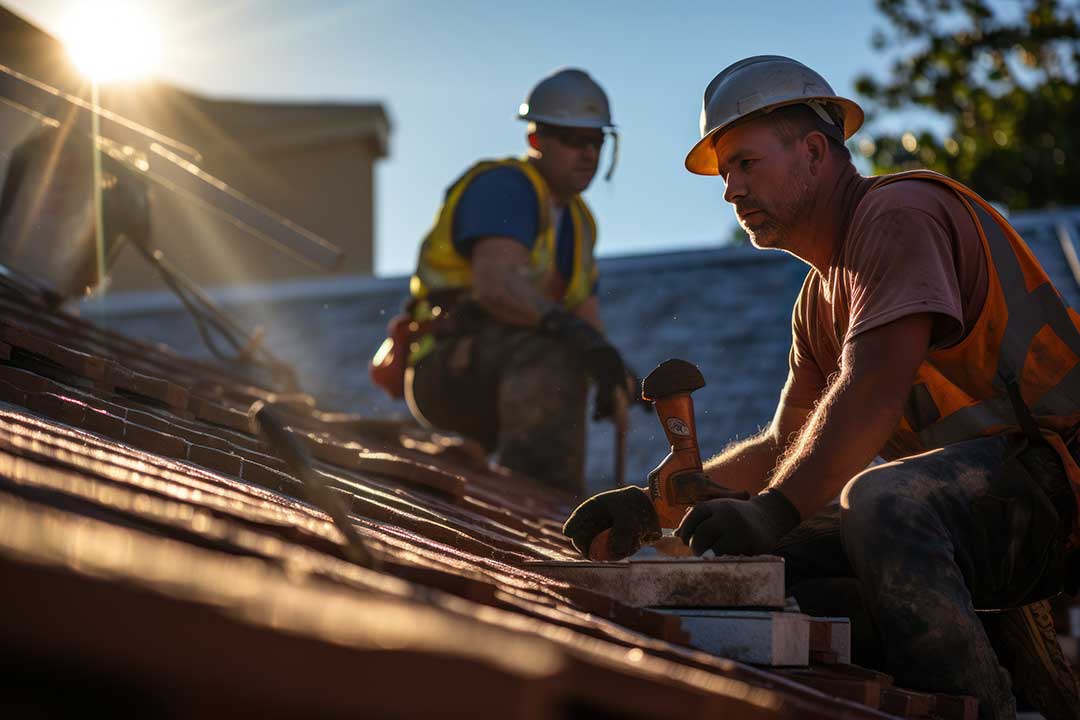
A harness by itself does not prevent a fall. Safe fall protection requires compatible equipment, a suitable anchor, correct installation, and enough training to use the system properly. An improperly placed anchor can fail or allow a person to swing into a wall or roof edge.
Homeowners should not improvise with ropes tied to plumbing vents, chimneys, gutters, attic framing, or other components that were not designed for fall protection. Ordinary extension cords, garden hoses, and makeshift tie-off points are not substitutes for a properly designed system.
For steep roofs, fragile surfaces, work near an unprotected edge, or tasks requiring both hands, the risk may exceed what a typical homeowner can manage safely. In those situations, staying off the roof is the appropriate choice.
How can roof tools and materials be handled safely?
Tools can turn a minor slip into a serious fall. Limit the number of items carried onto a ladder or roof, and keep tools organized so they cannot roll or slide toward an edge.
Avoid using power tools on a roof unless the work area is stable, dry, and properly controlled. Cords can create trip hazards and may become dangerous near wet surfaces or electrical lines. Never leave loose tools, roofing nails, shingles, or scrap materials where they can fall onto people, pets, vehicles, or walkways below.
Use a ground-level exclusion area during any overhead work. Children, pets, visitors, and anyone unaware of the activity should stay away from the drop zone.
What should be checked before inspecting an attic?
Roof safety also includes the space below the roof. Attics may contain exposed nails, weak ceiling materials, electrical wiring, inadequate flooring, fiberglass insulation, and poor ventilation. Step only on designed walkways or securely supported framing, never on the ceiling surface between joists.
Wear sturdy footwear, gloves, eye protection, and clothing that covers the skin. Be cautious around older wiring, animal nests, mold, and signs of water damage. A flashlight is safer than relying on a small handheld device that requires constant attention.
If a ceiling is sagging, water is actively entering, or structural materials appear compromised, avoid placing weight in the affected area.
What are the warning signs to stop immediately?
Stop roof work and return to a safe location if:
- Wind increases or gusts begin moving materials
- Rain, sleet, frost, or snow starts
- Footing becomes uncertain
- A ladder shifts, bends, or loses contact
- You feel tired, dizzy, overheated, or distracted
- A tool or material must be retrieved from an unsafe position
- The roof surface appears soft or damaged
- You cannot maintain three points of contact
- A second person is needed but unavailable
A roof inspection does not need to be completed in one attempt. For many homes, the safest plan is to document visible conditions from the ground, check accessible interior areas, and leave elevated work to people equipped and trained for fall hazards.
