
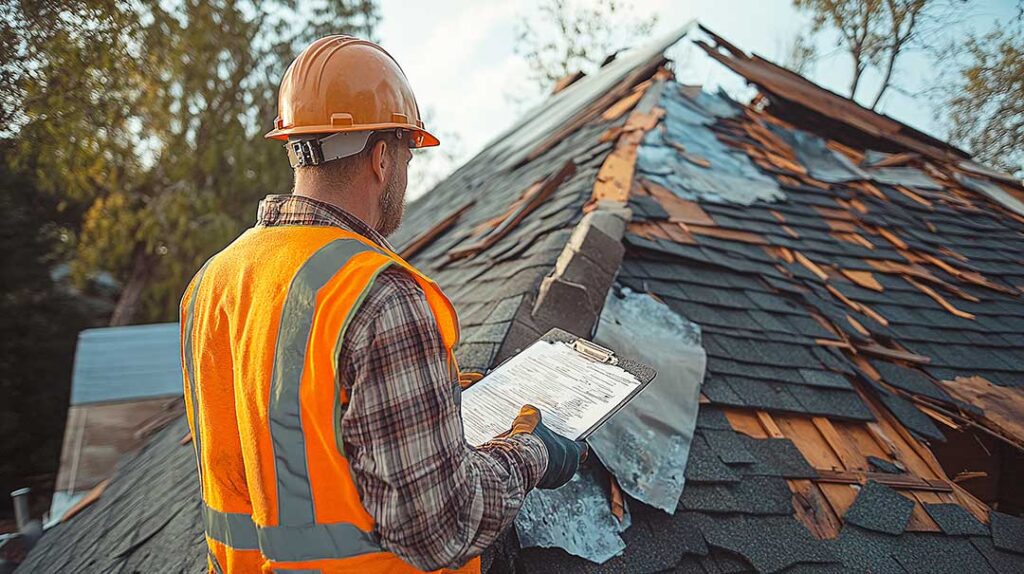
Solar panels can be a practical way to produce electricity, but the roof beneath them deserves careful attention before installation. In Ithaca, NY, homeowners should consider roof age, snow loads, ice, drainage, roof design, access, and future repairs as part of the same planning decision.
A solar array is expected to remain in place for decades. Installing it on a roof that may need replacement soon can create avoidable cost and disruption.
Is your roof ready for solar panels?
A roof should be structurally sound, reasonably durable, and free of unresolved leaks before solar equipment is attached. Solar panels do not repair roofing problems, and they can make future roof work more involved.
Begin by checking:
- The approximate age of the roof
- The condition of shingles, metal panels, membranes, flashing, and roof edges
- Signs of leaks, staining, soft decking, or damaged sheathing
- Sagging rafters or roof areas that appear uneven
- Previous repairs or multiple layers of roofing
- Whether the roof has enough remaining service life to justify a long-term installation
Many residential solar panels are designed to produce electricity for roughly 20 to 25 years, although output gradually declines over time. If a roof is already near the end of its expected life, replacing the roof before installing panels may be more practical than removing and reinstalling the array later.
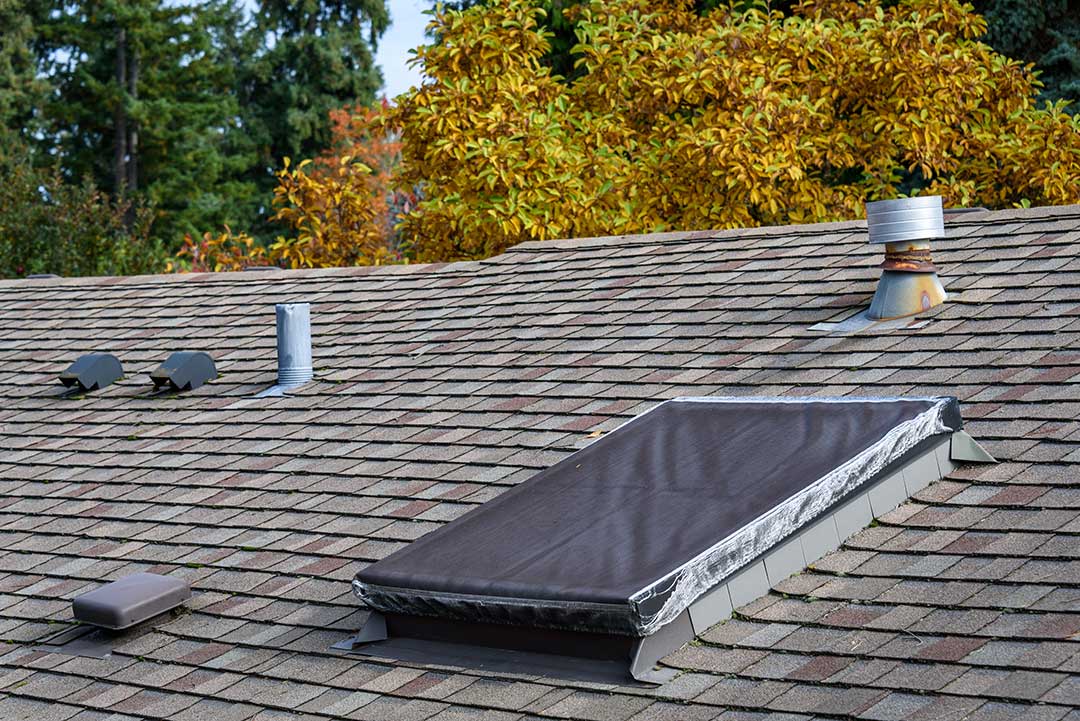
A roof that looks acceptable from the ground may still have hidden issues around chimneys, plumbing vents, valleys, skylights, or wall intersections. Those areas deserve particular attention because solar mounting work and future weather exposure can make weak flashing more difficult to manage.
How does Ithaca’s winter weather affect rooftop solar?
Snow and ice do not automatically rule out solar panels, but the roof and mounting system must be designed for local winter conditions. Heavy snow can collect unevenly, especially near the lower edge of tilted panels, and drifting snow may place extra stress on both the array and the roof structure.
Proper planning should account for:
- Roof snow loads required by applicable building codes
- Wind uplift and the way panels are attached to the roof framing
- Snow sliding from panels onto walkways, entries, decks, vehicles, or lower roofs
- Ice dams and drainage paths
- Safe access for inspection after severe weather
- The location of gutters, downspouts, and roof valleys
Solar panels often shed snow as sunlight warms the surface or as the snow slides on a sloped array. That does not mean every storm will clear the panels quickly. Snow may remain longer during cloudy, cold weather, and sudden shedding can create a falling-snow hazard.
Avoid treating panels like a normal roof surface. Walking on them, scraping them with a shovel, or using hard tools to remove snow can damage glass, frames, wiring, or the roof attachments. If substantial accumulation appears to create a structural or safety concern, the system should be evaluated using methods appropriate for solar equipment.
Will solar panels damage the roof?
Properly designed and installed solar panels should not damage a sound roof. The main risk comes from poor attachment methods, inadequate flashing, misplaced penetrations, or installation over deteriorated roofing.
Most rooftop systems use mounting hardware attached to structural framing below the roof covering. Each penetration must be sealed and integrated with the roofing system so water is directed away from the opening. Flashing details matter more than the appearance of the panels.
Problems may develop when:
- Mounts are attached only to roof sheathing instead of suitable framing
- Fasteners are too short, incorrectly placed, or poorly sealed
- Flashing is installed over damaged or brittle roofing
- Roof penetrations interfere with valleys, chimneys, or drainage routes
- Wiring is left loose, exposed, or vulnerable to ice and animals
- The array blocks access needed to inspect important roof components
A solar layout should leave appropriate pathways and clearances for fire safety, ventilation, roof drainage, and maintenance. The most productive layout is not always the best layout if it creates difficult access or concentrates equipment around vulnerable roof areas.
Does the roof need structural reinforcement?
Sometimes. The added weight of panels and racking is usually modest when distributed correctly, but the system must also withstand wind, snow, and changing loads. Older homes, additions, garages, and roofs with long spans may require closer structural review.
Structural questions include:
- Are the rafters or trusses in good condition?
- Can the framing support the system under snow and wind conditions?
- Are attachments aligned with structural members?
- Does the roof have unusual framing, previous damage, or alterations?
- Will panels create areas where snow accumulates more heavily?
New York’s solar permitting process includes structural and electrical requirements. Some projects can use an expedited permit pathway only when specific conditions are met, including limits related to roof covering, system weight, and attachment loads. A project that falls outside those conditions may require additional documentation or a more detailed review.
Which roof surfaces work best?
Roof orientation, slope, shade, and usable area all affect solar production. A south-facing roof often receives strong sunlight, but east- and west-facing surfaces can also be useful. A north-facing plane may produce less energy, depending on its slope and surrounding obstructions.
In the local landscape, tree shade deserves careful attention. Mature trees can reduce production, especially during morning and afternoon hours, while nearby branches may drop debris onto panels, gutters, and roof surfaces. Removing or heavily pruning trees solely for solar production can also affect drainage, wind exposure, and neighborhood character.
Roof shape matters as well. Dormers, intersecting rooflines, chimneys, plumbing vents, and skylights may reduce the number of panels that fit efficiently. A smaller array on a clear roof plane may be easier to maintain than a larger array spread across several complicated sections.
What happens when the roof needs repairs later?
Roof work usually requires solar panels and mounting equipment to be removed from the affected area. That can add labor, scheduling complications, and possible electrical-system work to an otherwise ordinary roof replacement.
Before installation, keep clear records of:
- Roof installation date and roofing materials
- Roofing warranties and maintenance history
- Panel and inverter specifications
- Mounting locations and attachment details
- Electrical diagrams and shutdown procedures
- Permit and inspection records
These records can help future owners or repair crews understand what is beneath the array. They are also useful if the system is transferred during a home sale.
A roof replacement may be an appropriate time to reassess the array’s location, wiring, flashing, and equipment age. Panels may still be serviceable even when an inverter or other component needs replacement.
Are permits and inspections required?
Solar installations generally involve building, electrical, structural, and fire-safety considerations. In Ithaca, permit and inspection requirements apply to relevant construction and electrical work, and the applicable process can depend on the property, system design, and local jurisdiction.
Permits are not merely paperwork. They help verify that the installation addresses roof access, ventilation, structural capacity, electrical connections, emergency shutdown features, and other safety concerns. Requirements can change as New York updates its building and energy codes, so current local rules should be checked before work begins.
What should homeowners ask before approving a roof-mounted system?
Useful questions include:
- How much remaining life does the roof have?
- Where exactly will the attachment points and penetrations be located?
- How will flashing be integrated with the existing roofing?
- What snow and wind loads were used for the design?
- How will snow shedding affect doors, walkways, gutters, and lower roofs?
- Will all plumbing vents, valleys, skylights, and roof edges remain accessible?
- What happens if a leak develops beneath the array?
- Who is responsible for panel removal if the roof later needs replacement?
- Which permits, inspections, drawings, and records will be provided?
Solar panels can work well on homes in the area, but the best result comes from treating the roof and the electrical system as one coordinated project. A durable roof, sound attachments, safe access, and realistic planning for snow and future repairs matter just as much as the number of panels installed.
