

How do pests get into a roof?
Pests usually enter through small openings where roofing materials, vents, siding, and trim meet. A gap that seems too narrow for an animal can still allow insects, mice, bats, squirrels, or birds to reach an attic or wall cavity.
In Ithaca, NY, seasonal weather can make these openings more significant. Snow, freeze-thaw cycles, wind, falling branches, and moisture can loosen materials or enlarge existing gaps. Older homes may also have several roof additions, dormers, chimneys, or enclosed attic spaces that create more possible entry points.
Common roof access points include:
- Damaged or missing shingles
- Gaps around plumbing vents and exhaust pipes
- Openings at roof edges and eaves
- Loose fascia, soffits, or rake boards
- Unscreened ridge vents, gable vents, and attic fans
- Cracked chimney mortar or missing chimney caps
- Gaps where dormers or roof sections meet walls
- Damaged flashing around chimneys, skylights, and valleys
- Holes created by rot, insects, or fallen branches
- Unsealed openings around cables, pipes, and other penetrations
Pests do not always enter directly through the top surface of the roof. They may first get into the soffit, fascia, wall, or chimney and then move into the attic.
Which pests commonly enter roofs and attics?
Different pests use roof openings for different reasons. Some seek warmth and shelter, while others are looking for nesting areas, food storage space, or a protected place to raise young.
Squirrels
Squirrels can enlarge small holes by chewing roofing edges, fascia, wood trim, and vent materials. They often enter near roof intersections, eaves, or damaged soffits. Once inside, they may tear insulation, chew electrical wiring, and build nests that block airflow.
Gray squirrels are active during the day, so scratching, chewing, or running sounds heard in daylight may point to squirrel activity. A damaged opening may become larger quickly because squirrels maintain and reopen their access routes.
Mice and other rodents
Mice can fit through very small gaps, especially near roof-wall intersections, attic vents, and utility penetrations. They may enter from the exterior wall and move upward rather than coming through a visible roof defect.
Rodents commonly leave droppings, nesting material, gnaw marks, and musky odors. They can also contaminate insulation and create fire hazards by chewing electrical coverings.
Bats
Bats may use gaps behind fascia, ridge caps, chimney areas, or roof flashing. A small opening can be enough for access, especially if it leads into a warm attic cavity.
Bats are protected wildlife in many areas, and removing them during the wrong season can trap young bats inside. Sealing an opening without understanding whether bats are present may create a larger problem. A suspected bat entry issue should be handled carefully and in accordance with applicable wildlife rules.
Birds
Birds may enter through open vents, broken screens, chimney openings, or missing pieces of soffit. They often bring nesting material into attic spaces, where it can obstruct ventilation or create moisture and fire concerns.
Bird activity may be obvious during the day, but some nests are hidden behind insulation or inside vent structures. Chimney openings deserve special attention because birds can fall into the flue or block the passage of smoke and combustion gases.
Insects
Wasps, bees, ants, termites, and other insects can use roof gaps or damaged wood. Carpenter ants are attracted to damp or deteriorating wood, while some wasps build nests under eaves or near attic vents.
Insects can also indicate a moisture problem. Soft wood, peeling paint, staining, and decayed trim may provide both an entry point and a nesting location.
What roof areas should residents inspect first?
The most useful inspection begins at transition points rather than across the middle of the roof. Pests usually take advantage of edges, joints, penetrations, and places where one material meets another.
From the ground, look for:
- Missing, curled, or lifted shingles
- Dark openings beneath roof edges
- Loose or sagging soffits
- Chewed wood or plastic near the eaves
- Damaged vent screens
- Gaps around chimney caps and flashing
- Staining below roof penetrations
- Nesting material near vents or gutters
- Holes where roof sections meet exterior walls
Inside the attic, look for daylight, droppings, disturbed insulation, tracks, gnawed wood, feathers, nesting material, and unusual odors. Daylight entering through a roof opening is not always a pest problem, but it shows that exterior air, moisture, and animals may have a path inside.
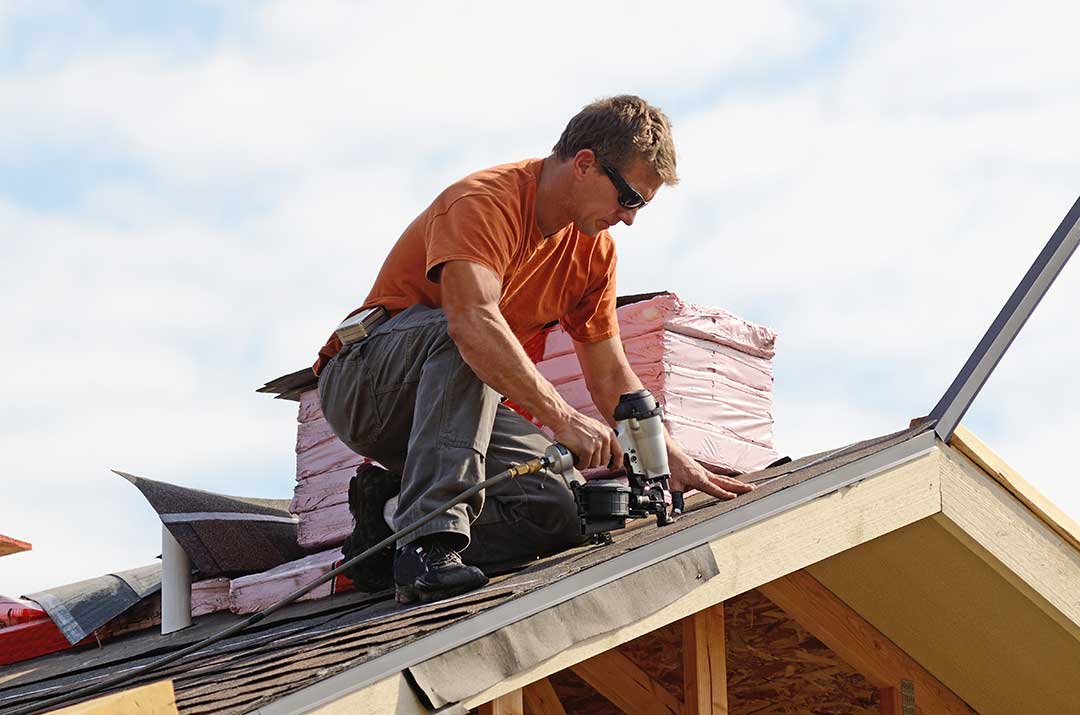
A roof inspection should not be attempted during icy, wet, or windy conditions. Walking on a roof can cause falls and may damage shingles, especially when the surface is cold or brittle.
How does weather contribute to pest entry?
Weather does not create every opening, but it often exposes weaknesses that pests later use. Freeze-thaw cycles can widen cracks in masonry and loosen flashing. Heavy snow and ice can stress roof edges, while wind can lift shingles or pull apart poorly secured trim.
Water also plays a major role. Repeated moisture can soften wood around eaves, dormers, chimneys, and roof-wall joints. Once wood begins to decay, insects and rodents can enter more easily.
Tree branches are another local concern. Branches that rub against roofing or fall during storms can damage shingles, vents, and flashing. Leaves and small twigs may also collect in roof valleys and gutters, keeping nearby materials damp for longer periods.
Can pests get in through roof vents?
Yes. Roof vents are designed to move air, not to block every animal unless they include intact screening or protective covers. A damaged vent hood, missing screen, or poorly fitted cap can allow birds, rodents, bats, or insects to enter.
Ventilation should not be blocked with improvised materials. Covering a vent with plastic, cloth, or other non-ventilating material may trap moisture in the attic and contribute to mold or wood decay.
The protective screen should allow normal airflow while preventing animal entry. It also needs to be securely fastened because persistent pests may push against loose screening or chew through weak materials.
What should happen if an animal is already inside?
Do not seal an opening immediately if an animal may still be inside. Sealing the entrance can trap the animal in the attic or wall, causing odor, damage, and possible attempts to escape into the living space.
First, identify the type of pest and determine whether young animals, eggs, or an active nest are present. Avoid handling wildlife directly. Droppings and nesting materials may carry pathogens, and disturbed animals can bite or scratch.
If there is a suspected bat, bird nest, large animal, electrical damage, contaminated insulation, or a difficult-to-reach roof opening, specialized assistance may be necessary for safety and legal reasons. After the animal has left through an appropriate process, the entry point can be repaired and reinforced.
How can homeowners reduce future roof entry?
Prevention focuses on maintaining the roof envelope and keeping attic spaces dry and protected.
Useful measures include:
- Repairing damaged shingles, flashing, soffits, and fascia
- Replacing broken vent screens with durable, properly fitted screening
- Keeping chimney caps and flue covers in good condition
- Trimming branches away from roof surfaces
- Checking roof-wall intersections after major storms
- Keeping gutters clear so water does not back up into roof edges
- Repairing leaks before wood becomes soft or decayed
- Inspecting attic areas at least seasonally
- Sealing utility penetrations without blocking required ventilation
- Removing accessible food sources and securing household waste
The goal is not to make a roof airtight in the sense of eliminating ventilation. A properly maintained roof needs controlled airflow, but every vent, seam, and penetration should be designed to admit air without providing an easy route for animals.
When is a roof pest problem urgent?
Prompt attention is warranted when there are signs of electrical chewing, a blocked chimney, active water entry, a large animal in the attic, a strong odor, visible contamination, or damage near a roof edge. These conditions can affect fire safety, indoor air quality, structural materials, and the roof’s ability to shed water.
A small exterior gap may look minor, but pests can enlarge it, introduce moisture, damage insulation, or create additional openings. Early identification is usually simpler than waiting until noises, stains, odors, or interior damage become obvious.
