
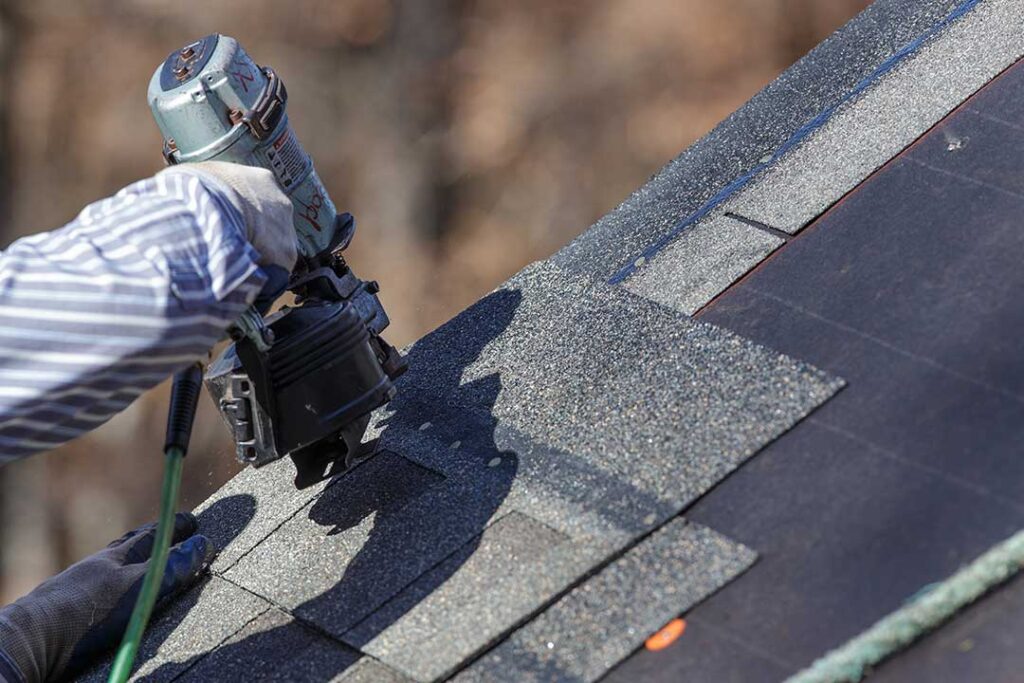
What should you look for first?
The right roofing contractor should be easy to verify, clear about the work, and willing to explain decisions in plain language. A reasonable choice is based on more than price: licensing requirements, insurance, experience with similar roofs, written documentation, communication, and a realistic plan for weather-related delays.
Roofing work affects the structure, moisture protection, ventilation, and long-term maintenance of a home. Choosing carefully can reduce the risk of leaks, incomplete repairs, surprise charges, and disputes over responsibility.
Is the contractor properly established and insured?
Before discussing materials or scheduling, verify that the contractor operates as a legitimate business and carries appropriate insurance. Ask for documentation rather than relying only on a verbal assurance.
A roofing contractor should be able to explain:
- Whether the business is registered to operate where the work will occur
- What liability insurance covers
- Whether workers’ compensation coverage applies to employees
- Who is responsible if a subcontractor is injured or causes property damage
- Whether the company uses employees, subcontractors, or both
Insurance details matter because roofing involves ladders, steep surfaces, falling materials, and potential damage to landscaping or siding. A homeowner should not assume that a contractor’s policy automatically covers every person working on the property.
How much local roofing experience matters
Experience in Ithaca is useful when it reflects familiarity with regional conditions rather than simply the number of years a company has existed. Roofs in the area may face heavy snow, freeze-thaw cycles, wind, ice buildup, rain, shaded moisture, and debris from surrounding trees.
Ask whether the contractor has worked on homes with similar:
- Roof pitch and shape
- Age and construction style
- Roofing material
- Attic ventilation arrangement
- Snow and ice exposure
- Flashing details around chimneys, skylights, dormers, and roof-to-wall intersections
A contractor who understands these conditions should be able to discuss how water moves across the roof, where ice dams might form, and whether ventilation or insulation problems could contribute to premature failure.
Local familiarity does not guarantee quality, however. It should be treated as one factor alongside documentation, workmanship, and communication.
What should a written roofing proposal include?
A written proposal should describe the work specifically enough that two people can understand what is being purchased. A vague statement such as “replace roof” leaves too many questions unanswered.
The document should identify:
- Areas included and excluded from the work
- Removal and disposal of existing roofing
- Whether damaged decking will be replaced and how that cost will be handled
- Underlayment, flashing, ventilation, and ice-barrier details
- Roofing material type, appearance, and installation method
- Protection for siding, windows, landscaping, driveways, and exterior fixtures
- Cleanup and disposal procedures
- Payment schedule
- Expected start conditions and weather-related delays
- Workmanship and material warranty terms
- Procedures for changes or unforeseen repairs
Decking is a common source of disagreement. A roof may appear sound from the outside while hidden wood beneath the shingles has rot or water damage. The proposal should explain whether replacement is included, priced separately, or subject to homeowner approval before additional work begins.
Should the lowest bid be chosen?
The lowest price is not necessarily the lowest cost. A bid may be lower because it excludes flashing replacement, ventilation work, disposal, permits where applicable, or repairs to deteriorated decking.
Compare proposals by looking at scope rather than only the final number. A higher bid may reflect more complete preparation, better site protection, or necessary work that another contractor did not include.
Be cautious if a contractor:
- Gives a firm price without inspecting the roof
- Pressures the homeowner to sign immediately
- Requests a large cash payment before work begins
- Offers a price far below other detailed proposals
- Refuses to provide insurance information
- Changes the scope verbally but will not update the contract
- Promises that weather will not affect the schedule
- Discourages questions about materials or installation
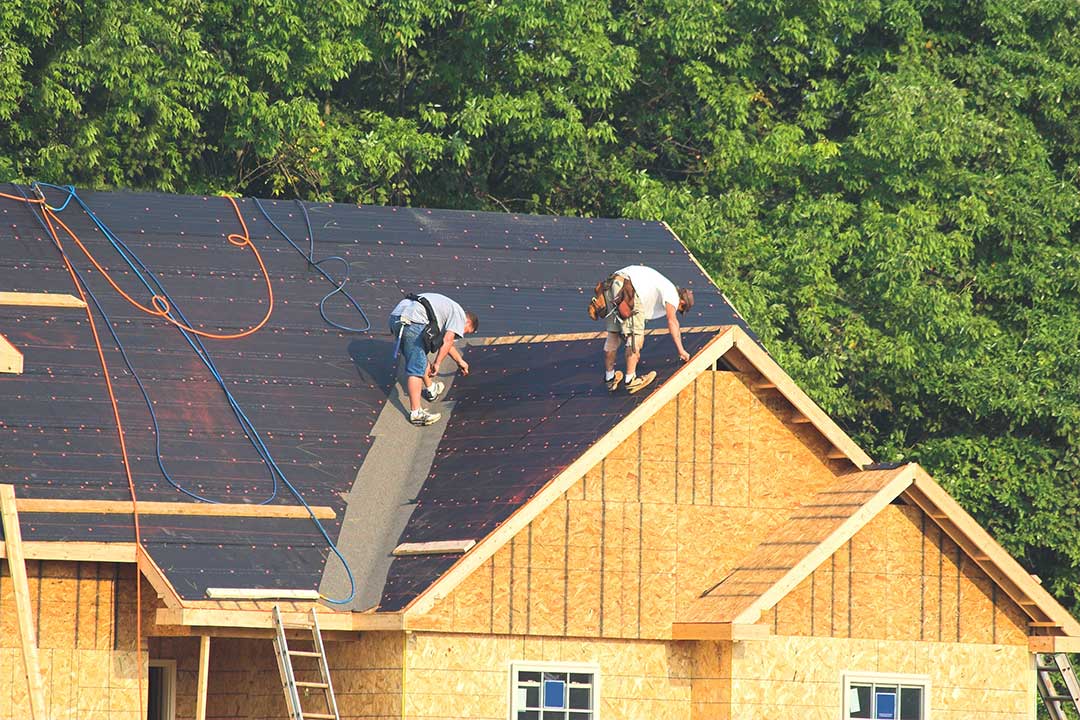
A legitimate contractor should be able to explain why the price differs from another proposal without criticizing competitors or using pressure tactics.
What references and reviews are actually useful?
References are most helpful when they involve recent projects similar to the proposed work. Ask previous customers whether the contractor arrived as promised, protected the property, communicated changes, completed cleanup, and responded to concerns after payment.
Online reviews can reveal patterns, but they require judgment. A single complaint may not establish a trend, while repeated comments about missed deadlines, poor cleanup, unexplained charges, or difficulty reaching the company deserve attention.
Look for evidence of consistent performance across several types of projects. A contractor who mainly installs new roofs may not have the same experience diagnosing leaks, repairing flashing, or working on older homes.
Who should inspect a roof problem?
Some roofing concerns require more than a surface-level quote. A leak may originate several feet away from the visible interior stain. Water can travel along decking, rafters, insulation, or wall cavities before appearing indoors.
A careful inspection should consider:
- Shingles, panels, or other roof coverings
- Valleys and roof edges
- Pipe penetrations and vents
- Chimney, skylight, and dormer flashing
- Gutters and downspouts
- Attic moisture, insulation, and ventilation
- Signs of rot, mold-like growth, staining, or daylight through the roof deck
Homeowners should not climb onto a roof to investigate damage, especially after snow, rain, or high winds. Ground-level observations and attic observations from a safe location can be useful, but steep, fragile, or damaged roofing creates a fall hazard.
How should weather affect the project schedule?
Roofing work in the Finger Lakes region can be disrupted by rain, snow, ice, high winds, and cold temperatures. A responsible contractor should explain how weather affects material installation, worker safety, and protection of the exposed roof.
Ask what happens if bad weather interrupts the project:
- How will the roof be covered overnight?
- Who monitors temporary protection?
- What conditions require work to stop?
- How are materials stored during wet or freezing weather?
- How will the revised schedule be communicated?
A realistic schedule is more trustworthy than a promise that ignores seasonal conditions. Homeowners should also plan for noise, driveway access, falling debris, and temporary restrictions around the work area.
What should happen before signing?
Before signing, read the contract slowly and make sure all verbal promises appear in writing. Confirm the property address, work description, materials, price, payment schedule, warranty terms, cleanup responsibilities, and process for changes.
If multiple homeowners are involved, everyone who must approve the work should review the same document. Keep copies of the proposal, contract, insurance information, payment records, photos, and written communications.
For older homes or projects involving structural changes, local building requirements may apply. The contractor should explain which approvals or inspections are needed and who is responsible for arranging them. Homeowners should not assume that a contractor’s statement about permits is accurate without asking for details.
What is the clearest sign of a dependable contractor?
Dependable contractors make the work understandable before it begins. They inspect carefully, distinguish visible facts from possible hidden problems, provide a detailed written scope, discuss uncertainty honestly, and communicate changes before performing extra work.
A homeowner does not need to know every roofing term to make a sound decision. The key is whether the contractor answers questions directly, documents the agreement, respects safety concerns, and provides enough information to compare options fairly.
