
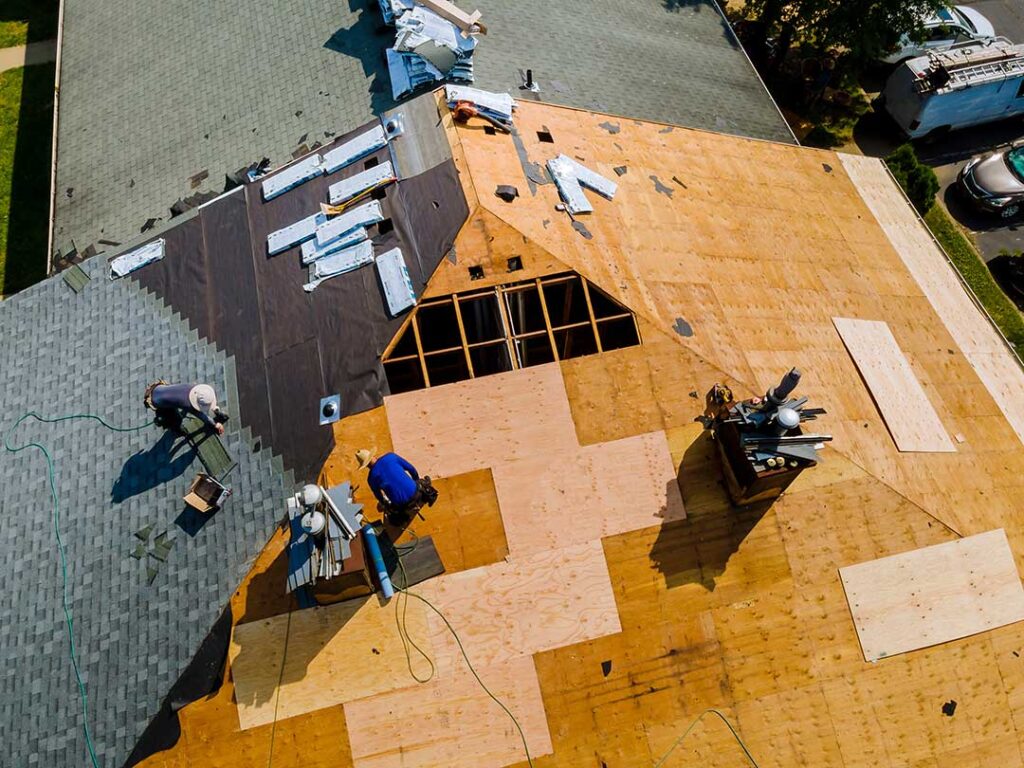
Seasonal roof maintenance is less about making frequent repairs and more about noticing small problems before rain, snow, ice, and wind make them worse. In Ithaca, NY, roofs must manage wet springs, leafy autumns, repeated freeze-thaw cycles, and winter snow loads. A simple inspection routine can help protect the roof structure, attic, ceilings, insulation, gutters, and exterior walls.
What should be checked in every season?
A basic roof check should look for changes in water flow, roof materials, drainage, and interior moisture. Many problems are easier to spot from the ground or inside the attic than by walking on the roof.
Look for:
- Missing, cracked, curled, or visibly damaged shingles
- Exposed fasteners, loose flashing, or gaps around chimneys, vents, and skylights
- Sagging roof sections or uneven roof lines
- Gutters pulling away from the fascia
- Downspouts that are blocked, disconnected, or draining too close to the foundation
- Dark stains, peeling paint, or damp areas on ceilings and upper walls
- Daylight visible through the attic roof deck
- Damp insulation, musty odors, or signs of mold in the attic
A roof does not need to leak continuously to cause damage. A small opening may only admit water during wind-driven rain, melting snow, or a particular combination of wind direction and temperature.
Spring: inspect winter damage and restore drainage
Spring is the best time to look for damage caused by snow, ice, wind, and expanding water. The roof should be checked after the last major snow and ice have cleared, but before heavy spring rain arrives.
From the ground, examine the roof edges for lifted shingles, bent metal, damaged drip edges, and areas where snow or ice may have pulled on gutters. Pay close attention to roof sections beneath large branches and to valleys where water and debris collect.
Clean leaves, twigs, and sediment from gutters and downspouts. Confirm that water flows freely and that downspouts direct water away from the foundation. A clogged gutter can force water behind the fascia or beneath roof edges, creating rot that may not be visible from the yard.
Inside the attic, inspect for:
- Water stains or rusty nails
- Wet or compressed insulation
- Condensation on the underside of the roof deck
- Damaged soffit or ridge ventilation
- Signs that snow or ice entered near the eaves
Spring is also a useful time to check whether tree branches are rubbing against the roof. Movement from wind can wear away protective granules and damage shingles over time. Branches that touch the roof or block gutters should be addressed safely from the ground or by someone equipped to work at height.
Summer: check ventilation, flashing, and storm damage
Summer maintenance should focus on heat, thunderstorms, and long periods of sun exposure. A roof can appear sound after winter but still have flashing defects or wind damage that become obvious during heavy rain.
After a severe storm, inspect the yard for roof debris and check whether any shingles, ridge caps, or metal pieces appear out of place. Do not assume that a few loose granules in a gutter indicate a serious problem; however, large quantities of granules, exposed dark shingle surfaces, or repeated debris after storms deserve closer attention.
Attic ventilation matters throughout the year. Excessive heat and moisture can shorten the life of roofing materials and contribute to condensation, wood deterioration, and poor indoor comfort. Vents should not be blocked by insulation, nests, or debris. Bathroom and kitchen exhaust should discharge outdoors rather than into the attic.
Inspect flashing around chimneys, plumbing vents, wall intersections, and skylights. These transitions often move slightly as materials expand and contract. Small cracks in sealant are not always the root cause of a leak, so simply adding more caulk may provide only a temporary result.
Autumn: prepare for leaves, rain, and winter weather
Fall maintenance should be completed before repeated freezing temperatures. In a tree-covered neighborhood, leaves can quickly fill gutters and roof valleys, especially after windy rain.
Remove accumulated leaves and needles from gutters, valleys, and roof-to-wall areas. Avoid using sharp tools that can tear roofing materials or puncture gutter surfaces. Gutters should be securely attached and should not hold standing water after a normal rain.
Check the condition of attic insulation and ventilation before winter. Warm air leaking into a cold attic can contribute to frost, condensation, and ice dams. Air sealing around ceiling fixtures, attic hatches, plumbing penetrations, and ductwork can reduce this movement when done correctly.
Before the first major snowfall, make sure:
- Gutters and downspouts are clear
- Roof drains and drainage paths are unobstructed
- Snow-removal equipment is available if the home requires it
- No tree limbs are hanging over the roof
- Attic access panels close tightly
- Exterior vents are not blocked by leaves or nests

A common misconception is that gutters cause ice dams. Ice dams generally result from uneven roof temperatures, heat loss, snow, and freezing conditions. Blocked gutters can make drainage worse, but cleaning the gutters alone does not correct attic heat loss or inadequate ventilation.
Winter: watch for ice dams, heavy snow, and active leaks
Winter roof maintenance is mainly observation and safe response. Snow and ice can add substantial weight, particularly where snow drifts against higher roof sections, dormers, valleys, or nearby structures.
From the ground, watch for sagging roof lines, unusually large snow buildup, cracking sounds, or doors and windows that suddenly become difficult to operate. These may indicate structural movement and should not be ignored.
Ice dams form when snow melts on a warmer part of the roof and refreezes near colder eaves. The resulting ice can obstruct drainage and allow water to move beneath roofing materials. Warning signs include thick ice along the eaves, icicles accompanied by interior dampness, water stains near exterior walls, or leaks that appear during a thaw.
Avoid chopping ice with a hammer, axe, or other sharp tool. This can damage shingles, metal flashing, gutters, and the roof deck. Avoid climbing onto an icy roof or using a ladder on snow-covered ground. If snow removal is necessary, it should be approached with equipment and methods designed for roof safety.
During a winter thaw, check attic spaces and upper ceilings for new moisture. A temporary container may limit interior damage from an active drip, but it does not correct the source. Electrical fixtures near water should be treated as a safety concern.
Which roof problems require immediate attention?
Some conditions should not wait for the next seasonal inspection:
- A roof section is sagging
- Water is entering during rain or snowmelt
- Large areas of shingles are missing
- Flashing has pulled away around a chimney or wall
- A tree or large branch has struck the roof
- The ceiling is bulging from trapped water
- Ice or snow appears to be stressing the structure
- A strong wind has exposed underlayment or roof decking
Roof access is hazardous during snow, ice, rain, high winds, and extreme heat. Ground-level inspection, attic observation, and photographs taken from a safe location are usually more useful than taking unnecessary risks.
How often should seasonal maintenance be done?
A practical schedule is to inspect the roof and drainage system in spring and fall, then check again after major wind, hail, heavy snow, or ice events. Gutters may need attention more often in autumn if trees shed leaves over the roof.
Record dates, observations, photographs, and any areas that need monitoring. Tracking changes from season to season can help distinguish an isolated storm issue from a recurring drainage, ventilation, or flashing problem. For homes with older roofing, complex roof lines, attached additions, or a history of leaks, more frequent observation is sensible.
