
Hurricane impacts are uncommon in Ithaca, NY, but tropical systems can still bring strong wind, heavy rain, falling branches, power outages, and flooding far inland. A roof that appears sound during ordinary weather may develop leaks or lose loose materials when exposed to repeated gusts and wind-driven rain.
Preparing before a storm is easier and safer than trying to make repairs while rain is approaching. The most useful work includes inspecting the roof, clearing drainage paths, securing nearby objects, and understanding which warning signs require skilled or hazardous repair work.
What should be checked before hurricane season?
A basic roof inspection should look for anything that could allow wind or water to enter. Walk around the property from the ground and, only if it can be done safely, inspect accessible attic areas. Do not climb onto a wet, steep, damaged, or icy roof.
Look for:
- Missing, cracked, curling, or loose shingles
- Exposed fasteners or lifted flashing
- Damaged rubber seals around plumbing vents
- Loose metal edging, chimney flashing, or vent covers
- Sagging areas on the roof surface or ceiling
- Water stains, damp insulation, or musty odors in the attic
- Daylight visible through roof sheathing
- Debris or moss that may conceal roof damage
A few damaged shingles do not necessarily mean the entire roof will fail, but loose materials can become entry points for wind-driven rain. Small defects are generally easier to address before a storm than after a section of roofing has been exposed.
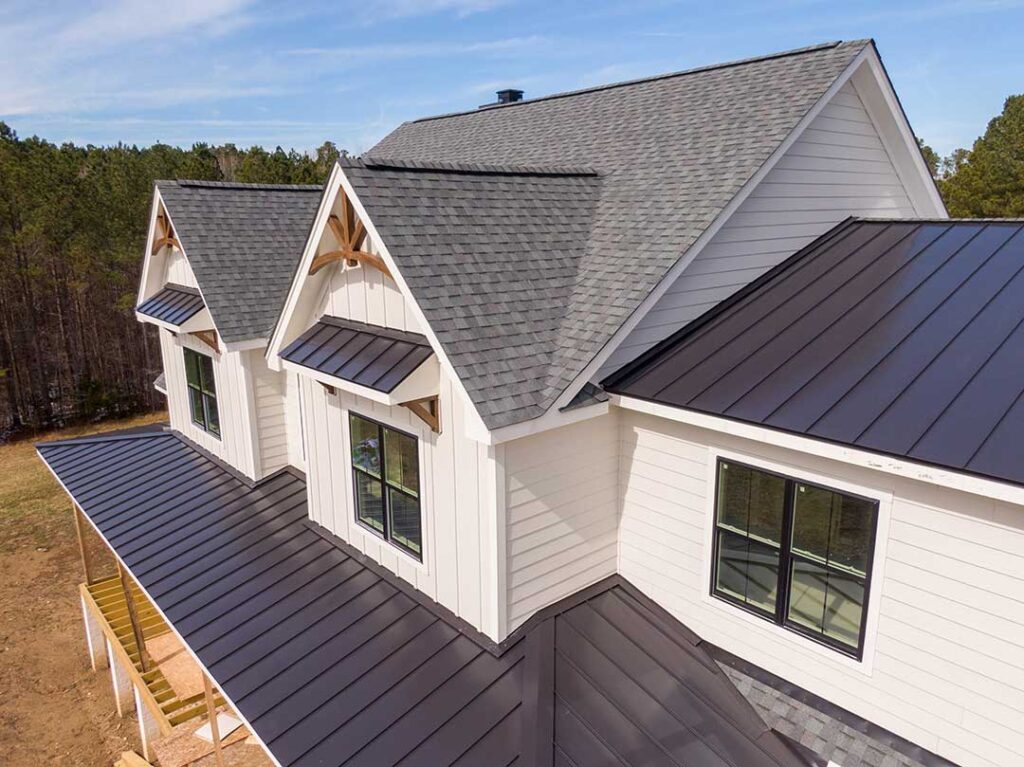
Older homes in Ithaca may have several roof layers, additions, dormers, or enclosed porches. These transitions can create more flashing joints and drainage points to inspect. Roofs over porches, garages, and additions should not be overlooked.
Why do gutters and downspouts matter during a hurricane?
Gutters and downspouts help move intense rainfall away from the roof, siding, foundation, and entryways. If they are clogged or disconnected, water can back up under roof edges or collect beside the foundation.
Before storm season:
- Remove leaves, twigs, and sediment from gutters.
- Check that gutters are firmly attached to the fascia.
- Confirm that downspouts are connected and discharge away from the foundation.
- Clear roof valleys and drainage areas of accumulated debris.
- Make sure splash blocks or extensions have not shifted.
- Look for water marks on siding or soil erosion below the downspouts.
Heavy rain can overwhelm even a clean drainage system. Cleaning does not guarantee that water will stay out of a basement, especially on sloped lots or properties near streams and low-lying drainage areas. It does reduce the chance that a preventable blockage will add to the problem.
Never enter standing water to clear a blocked drain if electrical equipment, downed wires, or unstable structures may be present.
Can tree branches damage a roof during a storm?
Yes. Trees often cause more roof damage than wind alone, particularly when branches are dead, weak, or growing close to the roof. A branch that repeatedly rubs against shingles can wear away the protective surface before a major storm arrives.
Inspect trees near the home for:
- Dead limbs
- Cracked or split branches
- Branches touching the roof or utility lines
- Leaning trunks
- Decay near the base
- Large limbs hanging over bedrooms, porches, or vehicles
Do not attempt to cut large limbs near power lines or climb trees with a chainsaw. Those conditions create serious fall and electrocution hazards. Tree work may require specialized equipment and should be treated as a safety issue, not a routine roof-maintenance task.
Keep firewood, lawn furniture, grills, planters, ladders, and loose construction materials away from areas where wind could send them into the roof, windows, or siding. Store or secure these items before storm warnings become urgent.
Should attic ventilation be checked?
Attic ventilation should be inspected, but vents should not be sealed simply because a hurricane is approaching. Properly installed ridge, soffit, gable, or roof vents help manage moisture and heat throughout the year.
Check that:
- Soffit vents are not blocked by insulation.
- Vent covers are secure and not cracked.
- Bathroom and kitchen exhaust fans discharge outdoors rather than into the attic.
- No visible water is entering around attic vents.
- Insulation is dry and not compressed against ventilation openings.
Wind-driven rain can enter through damaged or poorly protected vents. However, covering vents with plastic or tape can trap moisture, interfere with normal airflow, or create a new problem. Any temporary protection should be based on the design of the roof and the expected weather, not improvised during the storm.
How can homeowners reduce wind damage?
Wind damage often begins at weak connections or loose components. Roof coverings, flashing, sheathing, rafters, trusses, walls, and foundations work as a system. If one connection is weak, wind pressure can place additional stress on nearby materials.
Homeowners can safely review visible conditions from the ground and attic, including:
- Loose fascia or soffit panels
- Unsecured chimney caps
- Deteriorated siding near roof edges
- Gaps around vents and skylights
- Movement or separation at roof-to-wall areas visible from the attic
- Loose attic insulation suggesting air or water movement
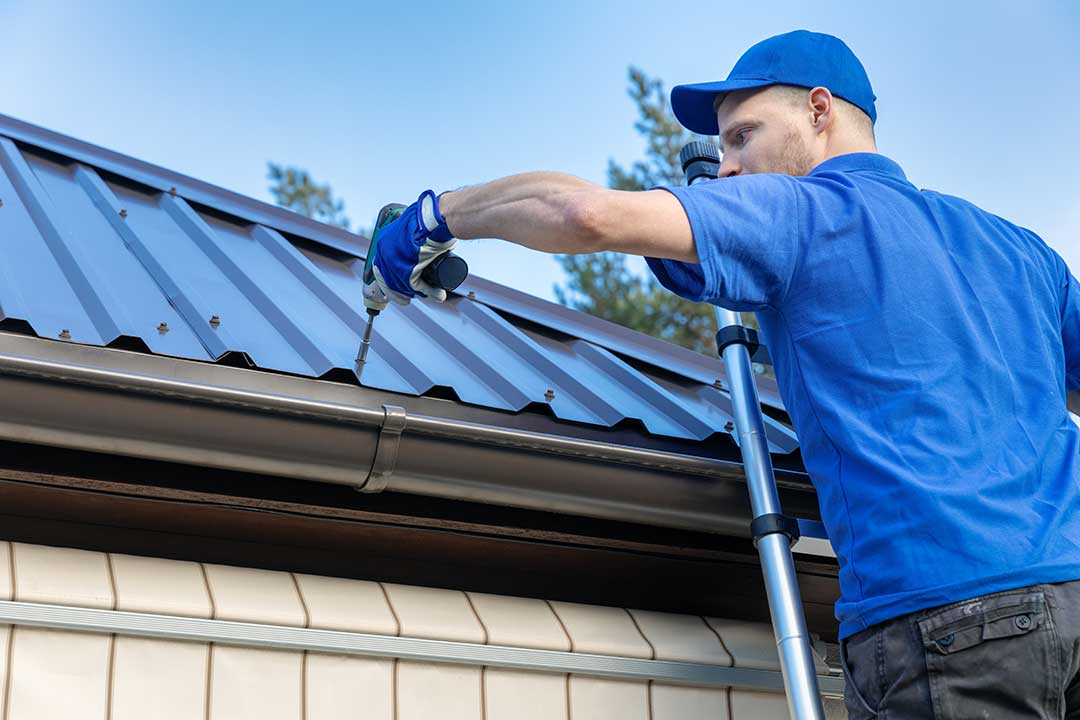
Structural reinforcement, roof-deck fastening, and roof-to-wall connections are not good do-it-yourself projects for most households. They may involve confined attic spaces, electrical hazards, difficult access, or changes that must comply with applicable building requirements. If the roof structure appears to have shifted, sagged, or separated, stay out of the area until it is considered safe.
What should be done when a storm is approaching?
Avoid roof work once strong wind, lightning, or heavy rain is expected. Even a minor repair can become dangerous when surfaces are wet or materials are moving.
Before conditions worsen:
- Photograph the roof and interior ceilings for household records.
- Move valuables away from rooms below known leaks.
- Place containers under active drips, but do not climb into unsafe areas.
- Close attic access panels if water is entering from above.
- Bring outdoor items indoors or anchor them securely.
- Keep flashlights, batteries, and basic water-containment supplies accessible.
- Monitor official weather alerts and local emergency instructions.
Do not use a ladder during high winds. Do not walk on a roof after a storm if shingles, branches, or structural materials are loose. A roof can look intact from the ground while the decking beneath it has weakened.
What if the roof is damaged after the storm?
After the weather clears, inspect from the ground first. Look for missing sections, hanging materials, fallen branches, damaged flashing, and water entering the attic or living areas.
If there is substantial damage:
- Keep people away from sagging ceilings and unstable roof areas.
- Avoid downed wires and metal objects that may be energized.
- Use tarps only from the ground or from a safely accessible location; never climb onto a damaged roof to install one.
- Photograph damage before moving materials, when safe.
- Check ceilings and attic spaces for spreading water.
- If water is near electrical fixtures, shut off power only if the electrical panel can be reached safely and without entering water.
A roof does not need to be struck directly by a hurricane to suffer damage. Inland systems can produce damaging gusts, intense rainfall, and falling-tree hazards. Seasonal preparation is therefore useful even when the primary storm threat is coastal: keep the roof maintained, keep drainage clear, reduce nearby hazards, and avoid roof work once dangerous weather begins.
