
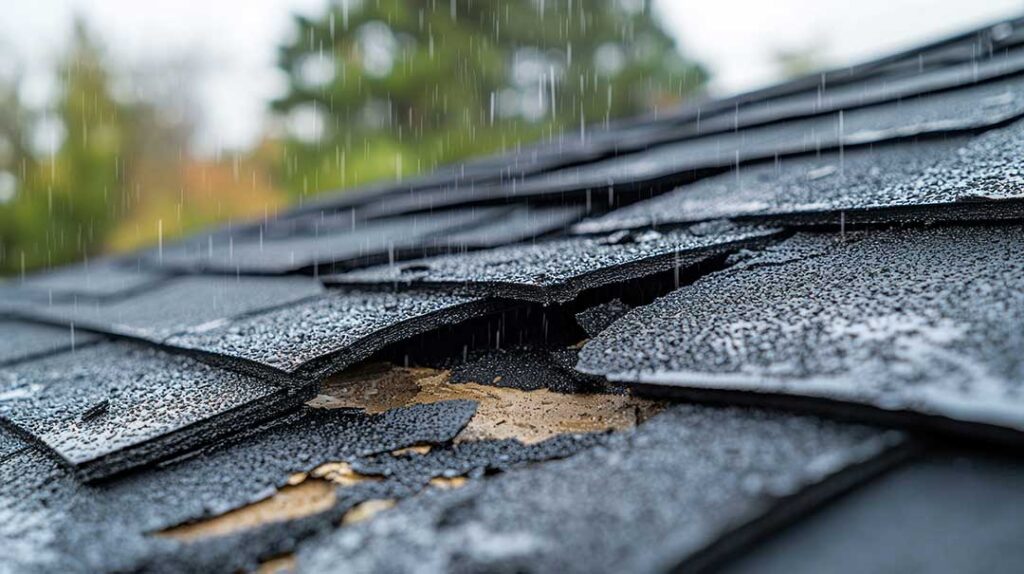
What should you do first after roof damage?
After a roof leak, fallen branch, wind event, or heavy snow problem, the first priorities are protecting people, limiting interior damage, and documenting what happened. Do not climb onto the roof during rain, snow, ice, strong wind, or poor visibility.
In Ithaca, NY, emergency roof problems often follow freeze-thaw cycles, wet snow, high winds, falling limbs, and ice buildup along roof edges. A small opening can allow significant water into attics, ceilings, and wall cavities, especially when melting snow or steady rain continues.
Begin with a quick safety check:
- Keep people away from sagging ceilings, wet electrical fixtures, broken skylights, and areas where roofing materials have fallen.
- If water is near outlets, light fixtures, appliances, or electrical panels, avoid touching the area and shut off power only if the panel can be reached safely.
- Leave the building if there is a strong gas odor, major structural movement, fire damage, or a ceiling that appears ready to collapse.
- Place buckets or containers under active drips, but do not stand beneath a visibly bulging ceiling.
How can you reduce interior water damage?
Move furniture, electronics, rugs, and other belongings away from the affected area if doing so does not require walking through standing water. Use plastic sheeting or waterproof covers to protect items, but avoid placing heavy objects against a sagging ceiling.
If a ceiling is holding water and visibly bulging, do not puncture it unless there is no safer option and the area can be approached without exposure to electrical hazards or falling material. A bulge may contain more water than expected, and releasing it can spread damage quickly.
For a leak that is not immediately dangerous, place a container beneath the drip and use towels to control splashing. Mark the location of stains, drips, and damp walls. Water can travel along rafters, wiring, insulation, and framing, so the visible stain may not be directly below the roof opening.
Ventilate the affected room when weather permits. This can help reduce lingering moisture, but fans should not be used near wet electrical equipment or outlets.
Is a temporary roof covering safe to use?
A temporary covering can reduce additional water entry, but it should generally be installed from the ground or by someone trained to work safely at roof height. A wet, icy, steep, or snow-covered roof is especially dangerous.
A properly secured tarp may help cover a small exposed section until permanent work is possible. It should extend beyond the damaged area and be fastened in a way that does not create new holes or allow wind to lift it. Loose plastic, blankets, or unsecured sheets can become airborne and cause additional damage.
Do not walk on damaged shingles, cracked roof decking, or areas softened by water. Avoid using a ladder against gutters, unstable roof edges, or surfaces covered with ice. New York safety guidance treats ladders and roof work as fall hazards, and winter conditions increase that risk considerably.
If a branch, power line, or other object is resting on the roof, do not remove it yourself. The weight may be supporting unstable material, and contact with electrical equipment can be fatal.
What emergency repairs can be handled from inside?
Some short-term steps are reasonable from inside the home, provided the area is dry and stable. These include catching water, moving belongings, placing a temporary container, and recording the location of damage.
A small amount of exposed roofing underlayment or sheathing may sometimes be covered from a safe, accessible location, but interior patching is not a substitute for stopping the outside source. Painting over a ceiling stain, stuffing insulation into a wet cavity, or applying household sealant to drywall can hide the problem without correcting it.
Do not use roofing cement, caulk, expanding foam, or adhesive as a general solution for a roof opening that has not been inspected. These materials may trap moisture, interfere with later repairs, or fail during the next period of rain, snow, or wind.
How should you document the damage?
Take clear photographs and brief notes as soon as it is safe. Photograph the affected rooms, ceilings, walls, flooring, furnishings, attic areas, and visible exterior damage. Include wide views that show the location and close views that show details.
Record:
- The date and approximate time the damage was discovered
- Recent weather conditions, such as wind, heavy rain, freezing rain, or snow
- When leaking started and whether it is continuing
- Any temporary steps taken
- Damaged belongings and visible structural concerns
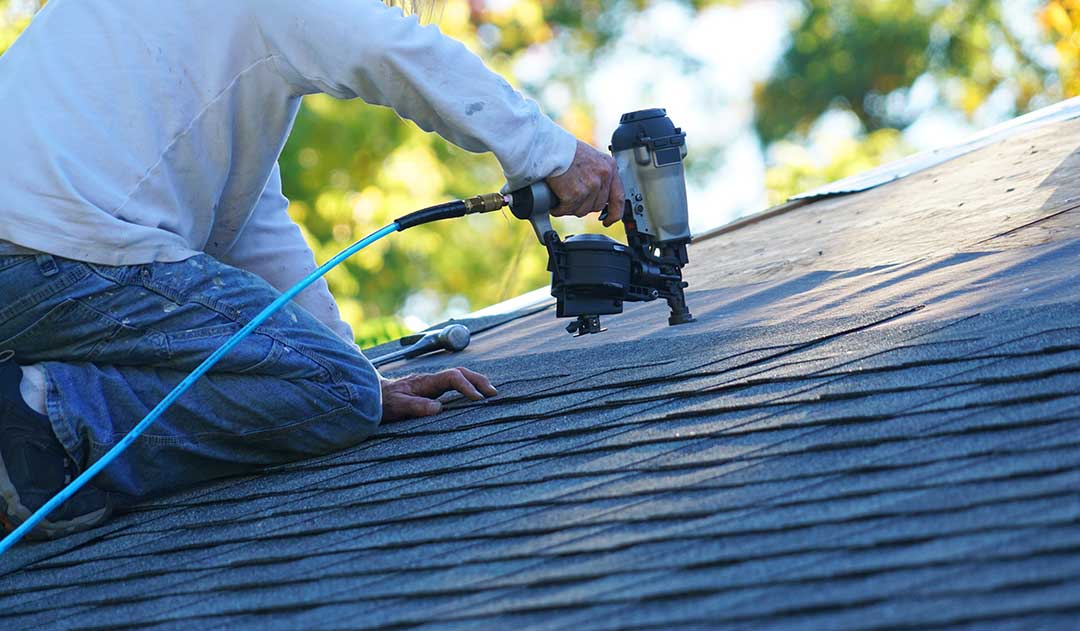
Do not discard damaged materials before checking whether they may be needed for insurance documentation. Keep receipts for emergency supplies and any temporary protective work. Insurance policies differ, so review the policy’s requirements for preventing further damage, reporting losses, and documenting repairs.
What roof problems are common after winter weather?
Ice dams can develop when heat escapes into a roof space, melts snow higher on the roof, and allows water to refreeze near the colder eaves. The resulting ice can obstruct drainage and force water beneath roof coverings or into wall and ceiling areas.
A long icicle is not automatically proof of an ice dam, but repeated leakage near eaves, stained soffits, wet attic insulation, or water appearing during a thaw can indicate a drainage or ventilation problem.
Heavy, wet snow also creates more roof load than many people expect. Do not attempt to remove roof snow with a shovel or climb onto the roof to judge its weight. Snow removal can damage shingles, gutters, flashing, and roof decking if done improperly. A roof that is visibly sagging requires immediate caution and avoidance of the area below.
Wind can lift shingles, loosen flashing, damage vents, and push branches against roof surfaces. Even when the roof looks mostly intact from the ground, a small opening around a vent, chimney, or flashing joint may allow water inside.
When is emergency help necessary?
Immediate assistance is justified when the roof has structural damage, a large opening, an active leak that cannot be contained, water near electrical systems, a fallen tree, or conditions that make the home unsafe to occupy.
Roof work should not be attempted by an untrained person when ice, snow, steep slopes, damaged decking, live wires, unstable trees, or significant height exposure are present. A qualified, properly equipped worker may be necessary for temporary stabilization, safe debris removal, or permanent repairs.
Building requirements may also apply when structural components, roof coverings, insulation, or ventilation systems are replaced. Temporary protection and permanent reconstruction are different tasks; a tarp may stop immediate water entry while leaving damaged decking, wet insulation, or hidden mold risk unresolved.
How can a household prepare before the next emergency?
Keep a basic emergency kit that includes buckets, plastic sheeting, towels, gloves, a flashlight, and a phone charger. Store it where it can be reached without entering an attic or climbing a ladder.
Inspect the attic and roof from safe locations twice a year and after major storms. Look for daylight through the roof, damp insulation, stained wood, rusted fasteners, damaged flashing, blocked drainage paths, and signs of pests or rot. Trim branches that overhang the roof when conditions are safe, and keep gutters and downspouts clear before freezing weather.
During winter, watch for repeated roof-edge ice buildup and interior staining during thaws. Early attention to moisture, ventilation, and drainage problems is safer than waiting for a ceiling leak to appear.
